The Bowler Hat’s Silent Burial: Matthew ‘Stymie’ Beard’s 20-Year Fall From Child Star to Heroin Addiction and His Unpaid Legacy
The image is instantly recognizable to generations of Americans: a wide-eyed, quick-witted little boy, invariably wearing a comically oversized bowler hat perched precariously on his bald head. This was Matthew “Stymie” Beard Jr., the magnetic heart of the Our Gang comedy shorts, better known today as The Little Rascals. His onscreen charm was pure, unadulterated joy—a self-assured con artist with a sly comment and a street-smart solution for every problem.
But behind the enduring, innocent laughter of the reruns lies one of the most brutal and poignant sagas in Hollywood history: a spectacular rise into fame, a devastating twenty-year plunge into heroin addiction and jail, and a hard-fought redemption that earned him respect but never a single dollar in royalties from the fame he created. His story is a chilling indictment of child star exploitation, a testament to the destructive power of addiction, and a powerful narrative of a man who ultimately used his deepest pain to save others.
A Prophetic Start and the Gift from Stan Laurel
Matthew Beard Jr. was born on New Year’s Day, January 1, 1925, near Los Angeles, sharing his exact birthday with his father, Matthew Beard Sr., a founding pastor in the Church of God in Christ. This coincidence felt almost prophetic for a child destined to bring light to millions. Yet, the family lived in humble beginnings in East Los Angeles, and money was perpetually tight, a factor that would profoundly shape young Matthew’s destiny.
His destiny arrived in 1930 at Hal Roach Studios. The studio was desperately searching for a replacement for Allen “Farina” Hoskins, who had simply grown too tall for the part. Over 350 children auditioned, but when 5-year-old Matthew stepped into the room, director Robert McGowan took one look and made an instant, career-defining decision: “Sign him up. That’s who I want.”
The famous nickname “Stymie” was born from McGowan’s frustration; the curious young Matthew was always wandering around the studio, constantly “stymying” the director’s work. The name stuck, and the boy was quickly outfitted with his iconic costume. That comically oversized bowler hat, which became the character’s trademark, was not merely a prop—it was a personal gift from the legendary comedian, Stan Laurel, who also worked at the Hal Roach Studios. The hat, a symbol of childhood innocence and cinematic magic, would remain with Matthew for his entire life, even beyond the grave.
The Burden of Childhood Fame
From 1930 to 1935, Stymie appeared in over 150 Our Gang episodes, becoming one of the most recognizable faces in the country. The hours were grueling, mandated by law: eight-hour workdays, including three hours of schooling on set. But the real weight Matthew carried was not the work, but the financial burden of his home life.
The earnings from the 5-year contract supported his parents and his immense family of thirteen siblings in East Los Angeles. In a stunning example of the responsibility placed on the young star, Matthew was even granted the power to name his younger brothers and sisters. He named one brother “Dicky,” after his best friend and co-star Dicky Moore. Most notably, he nicknamed his younger brother “Bobby” as “Cotton,” a name that Hal Roach Studios adopted, transforming the child into the Our Gang character Buckwheat’s younger sibling. The Beard family was wholly intertwined with the short films, with his mother and sisters also making cameo appearances—all funded by the work of the little boy in the oversized hat.
But by 1935, at the age of ten, Matthew Beard had outgrown the role. He had replaced one child star (Farina) and was, in turn, replaced by another (Buckwheat Thomas). Unlike some castmates who grew tired of the studio, the feeling of being replaced was devastating for Stymie, whose life revolved around the set.
The 20-Year Plunge into Hollywood’s Void
Matthew continued working into his teens, securing supporting roles in major films like Jezebel (1938) alongside Bette Davis and The Return of Frank James (1940) with Henry Fonda. Yet, as he reached adulthood, the calls stopped coming. Hollywood had a place for the cute, precocious boy, but it had no place for a grown-up Stymie.
The transition from global stardom to anonymity was catastrophic. At the age of 18, Matthew Beard was arrested for stealing, an act driven by a burgeoning marijuana habit. Upon his release, something far worse took root: a devastating heroin addiction that would consume the next two decades of his life.
The man who once made millions laugh was now an addict on the streets of Los Angeles, constantly in and out of jail on drug and theft charges, doing whatever it took to feed his habit. The innocence, joy, and laughter that the Stymie character represented seemed utterly obliterated by the brutal reality of his adult life. The tragedy was compounded by the fact that even as Matthew suffered in jail cells and on the streets, The Little Rascals was sold into syndication in 1951 and was playing endlessly on television stations across America, bringing joy to new generations, all while he was paid nothing.
The Controversial Road to Hard-Won Redemption
The nightmare finally ended sometime in the 1960s when Matthew made the life-saving decision to seek help. He checked himself into Synanon, a drug rehabilitation facility founded by Charles Dederich.
Synanon was, and remains, a highly controversial organization that was later exposed as a cult, but for Matthew Beard, it worked. The facility’s rigorous, confrontational approach successfully helped him overcome his twenty-year heroin dependency. He emerged from Synanon with a renewed purpose and an astonishing will to rebuild his life.
By the 1970s, Matthew Beard returned to Hollywood, not as the star of his youth, but as a respected supporting actor. The second act of his career was one of hard-won dignity. He landed guest roles on major hit sitcoms like Sanford and Son and The Jeffersons, and appeared in films like Truck Turner (1974) and The Buddy Holly Story (1978).
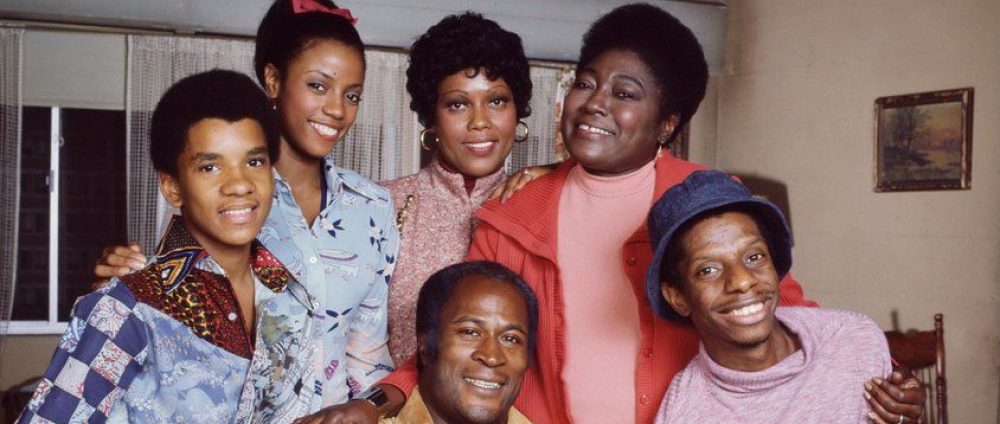
His most significant comeback role was as Monty on the CBS sitcom Good Times from 1974 to 1977. This period was crucial: for the first time since childhood, Matthew had steady work and respect, acknowledged for his skills as an adult actor. He also took his advocacy seriously, lecturing across the United States on drug abuse awareness, transforming his painful past into a public lesson and a tool for saving others.
The Unpaid Legacy and the Final Tribute
Despite his powerful comeback, the financial injustice of his childhood contract remained a permanent wound. Matthew Beard and his former castmates received no residuals, no royalties, and no payment whatsoever from the endless, profitable reruns of The Little Rascals. The contracts, signed by their parents decades earlier, waived all rights to future earnings from any medium.
The former child star, who had literally funded his family with his childhood innocence, was now watching his legacy enrich broadcasters while he remained financially uncompensated. While he found fulfillment in his emotional legacy—the “fix” he got from being recognized by a new generation—he felt a bitter truth about the exploitation he endured, once saying, “I think after 40 years… just a little taste. Don’t be a name.”
In a beautiful, heartbreaking moment of closure, Matthew made one final on-screen appearance in The Buddy Holly Story (1978), where he was credited as “Stymie Beard” and wore his trademark derby hat. It was a proud nod to the character that had defined his life.
Matthew Beard Jr. died on January 8, 1981, at the age of 56, just two days after suffering a stroke and sustaining head injuries from a fall down a flight of stairs.
In a final, profound tribute to the child he was and the man he became, Matthew Beard was buried at Evergreen Cemetery in Los Angeles with his trademark bowler hat. The oversized gift from Stan Laurel, which had symbolized a bright, innocent childhood before it was shattered by addiction and forgotten by Hollywood, rested with him in his coffin—a silent, powerful symbol of early success, family responsibility, personal redemption, and the enduring, yet unpaid, legacy of laughter. His life, in its entirety, serves as a powerful reminder that while the illusion of fame can be immortal, the human being behind it often faces a battle for survival far removed from the silver screen.