The Bullet, The Beef, and The $100,000 Secret: How Courtroom Testimony Exposed The Calculated Plot to Take Down Young Dolph
The city of Memphis has long taken pride in its street code—a complex doctrine built on loyalty, respect, and staying “solid.” But no event in modern memory shook the foundations of this culture quite like the daylight assassination of rapper Young Dolph. On November 17, 2021, the music world watched in stunned silence as one of the South’s most authentic and independent voices, born Adolf Robert Thornton Jr., was violently silenced. He was gunned down in the middle of the day at Makeda’s Homemade Butter Cookies, a simple, beloved local spot, in an attack that was anything but random. It was an execution intended to send a deafening, terrifying message.
For years, the public narrative focused on a simmering, high-profile rivalry, but the recent trial of one of his killers has cracked open the case, revealing a plot so calculated and ruthless that it suggests a professional hit orchestrated at the highest levels of Memphis street royalty. The core narrative of the murder trial has become secondary to a far more sensational reveal: the existence of a six-figure bounty, a direct connection to a rival rap empire’s inner circle, and a tragic cycle of violence that has already claimed the life of the alleged orchestrator himself. This is the chilling, step-by-step account of how a rap beef spiraled into a fatal vendetta, leaving a legacy of shattered families and unanswered questions that continue to haunt the Bluff City.
The Day Memphis Stood Still: November 17, 2021
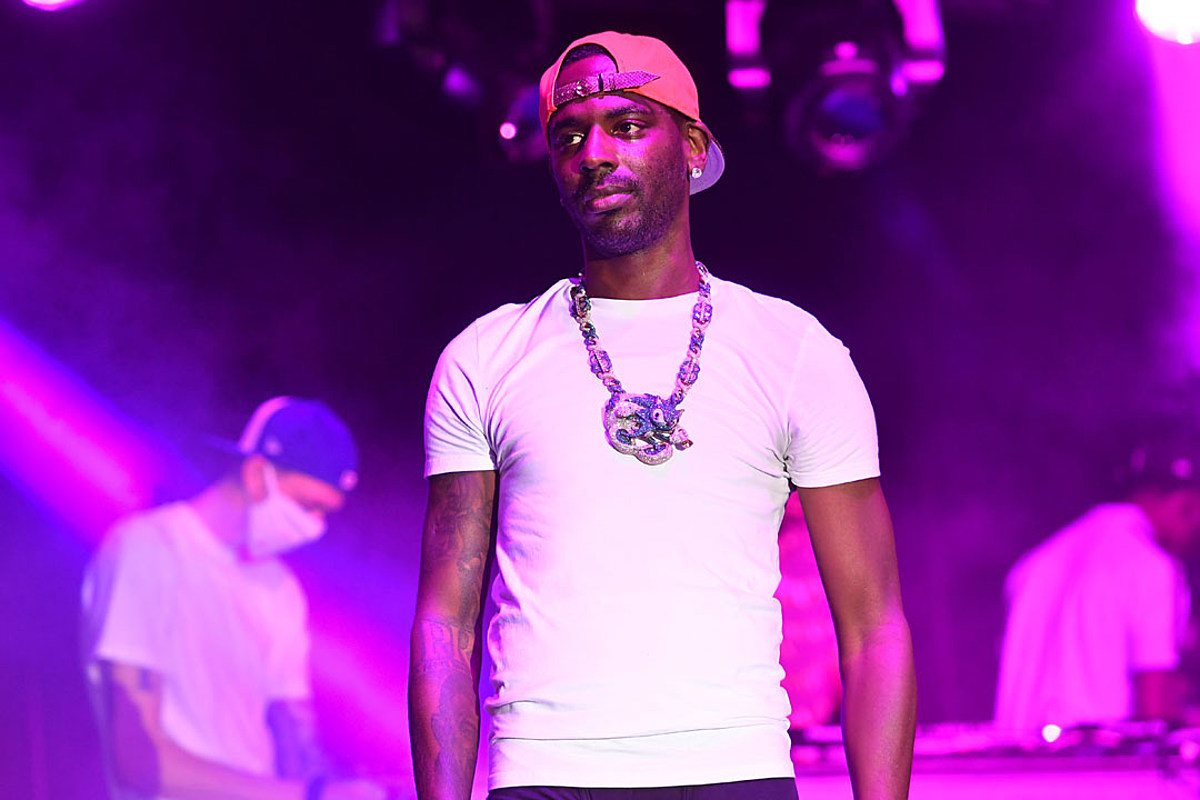
Young Dolph was not just a successful rapper; he was an economic symbol of independence. He had built his Paper Route Empire from the ground up, turning himself into a self-made millionaire without bending the knee to established industry figures. His independent spirit was his greatest asset, but in the ruthless world of street-connected music, it proved to be his greatest danger.
The attack itself was an act of shocking brazenness. Surveillance cameras captured two masked assailants pulling up in a white Mercedes-Benz. In broad daylight, with no concern for witnesses or immediate police response, they jumped out and unleashed a devastating barrage of 22 rounds at the 36-year-old artist as he merely stood inside, grabbing cookies. This was not a quick, messy street altercation; it was a targeted, overwhelming assault intended to ensure there was no chance of survival. When the shooters peeled off, they left behind a grieving community and a hip-hop world demanding to know who held enough malice and power to authorize such a deadly operation.
Memphis Police moved swiftly, eventually locking up four suspects. Justin “Straight Drop” Johnson and Cornelius Smith were identified as the trigger-pullers; Hernandez Govan was labeled the organizer; and Jamarcus Johnson, Justin’s half-brother, was accused of aiding the escape. While the arrests provided a legal answer, anyone familiar with the deep-seated street politics of Memphis understood this was just the surface. The entire city was asking the same question: Who was the unseen hand that pushed these men to carry out the ultimate disrespect?
The Feud: When Business Turned Blood Feud
To understand the motive behind the murder, one must rewind to the genesis of the most infamous feud in Memphis rap history: the long-simmering clash between Young Dolph and fellow Memphis powerhouse, Yo Gotti (Mario Mims), the founder of CMG.
The tension began to bubble around 2014. Dolph was an undeniable rising star, dedicated to his independent Paper Route vision. Gotti, already an established staple, reportedly attempted to bring Dolph into the CMG fold. On paper, it was a logical business move—the OG mentoring the hot new talent. However, Dolph, prioritizing full control, independence, and ownership of his masters, refused. For Gotti, who reigned supreme in Memphis, this rejection was reportedly a massive slight. According to Dolph, Gotti flipped from a supporter to a full-time rival almost instantly, a shift that proved the conflict was rooted in ego and control as much as business.
The beef escalated from subliminal disses to open warfare in 2016 when Dolph dropped King of Memphis, a direct challenge to Gotti’s self-appointed title. The ultimate provocation came in 2017 with Dolph’s track, “Play with Yo B,” a song that was pure, unadulterated disrespect, implying a connection with Gotti’s child’s mother and featuring a Gotti look-alike getting clowned in the video. In street culture, this type of violation crosses a line from lyrical sparring into an existential threat to one’s credibility and respect, demanding a response that goes beyond music.
The violence that followed demonstrated the stakes. In February 2017, during CIAA weekend in Charlotte, North Carolina, Young Dolph’s bulletproof SUV was riddled with over 100 rounds. He walked away physically unharmed only because of his foresight in securing a bullet-resistant vehicle. Seven months later, in September 2017, Dolph was less lucky, struck multiple times outside a Los Angeles hotel and left fighting for his life in critical condition. Though Yo Gotti was initially named as a person of interest, he was cleared, and an associate was arrested, only to later walk free. These incidents established a clear, lethal pattern: the conflict was real, and one side was determined to end it permanently.
The Courtroom Revelation: The Informant and The $100,000 Price

Nearly three years after the fatal shooting, the case reached its climax in September 2024 with the trial of Justin Johnson. The entire city watched as Johnson was hit with charges including first-degree murder and conspiracy. The prosecution, led by Paul Hagerman, presented a mountain of evidence—surveillance footage, phone data, and ballistics—to build a comprehensive timeline of the murder. But the key piece of evidence that truly swayed the jury came from the defense’s side—or rather, a defector from it.
Co-defendant Cornelius Smith flipped, agreeing to cooperate with federal investigators in exchange for a lighter sentence. His testimony was nothing short of explosive, turning the trial from a simple murder case into an alleged conspiracy thriller. Smith swore under oath that the hit on Young Dolph was not a low-level, personal street grievance; it was a contracted assassination.
Smith claimed the order came directly from Anthony “Big Jook” Mims, Yo Gotti’s older brother and a known high-ranking figure within the CMG camp. According to Smith, Big Jook allegedly placed a staggering $100,000 bounty on Dolph’s head. The payout was supposedly structured to give Smith and Johnson $40,000 each, with the remaining $20,000 going to the alleged coordinator, Hernandez Govan. Smith testified to meeting with Big Jook in the weeks leading up to the murder to map out the attack and even FaceTiming him afterward to confirm the deed was done.
But the damning allegations did not stop there. Smith also claimed that someone connected to CMG allegedly dropped $50,000 to cover his legal fees after his arrest—a massive sum that suggests organizational involvement far beyond just a single individual. If true, this payment hints at a coordinated effort to protect the shooters and ensure their silence, suggesting powerful figures were trying to interfere with the investigation.
Inconsistencies, The Defense, and The Verdict
The defense, led by attorney Luke Evans, attacked Smith’s credibility relentlessly. Evans highlighted major inconsistencies in Smith’s story, particularly concerning the payment. Smith was promised $40,000 but admitted he only ever received $800 in total—a trivial amount for such a high-stakes murder, which immediately cast doubt on the claim of a professionally planned, well-funded hit by a major music organization. Evans further brought up a jailhouse letter where Smith allegedly stated he would “say anything” to avoid a life sentence, arguing Smith was simply tailoring his testimony to secure a deal with the prosecution.
Despite the contradictions and the defense’s forceful objections, the jury ultimately believed the prosecution’s narrative, likely finding the core details about the involvement of Big Jook and the CMG connections too compelling to ignore. On September 26, 2024, Justin Johnson was found guilty on all charges, receiving a life sentence that mandates he serve at least 51 years, effectively ending his life outside of prison walls.
The Silence of The Grave: Big Jook’s Murder
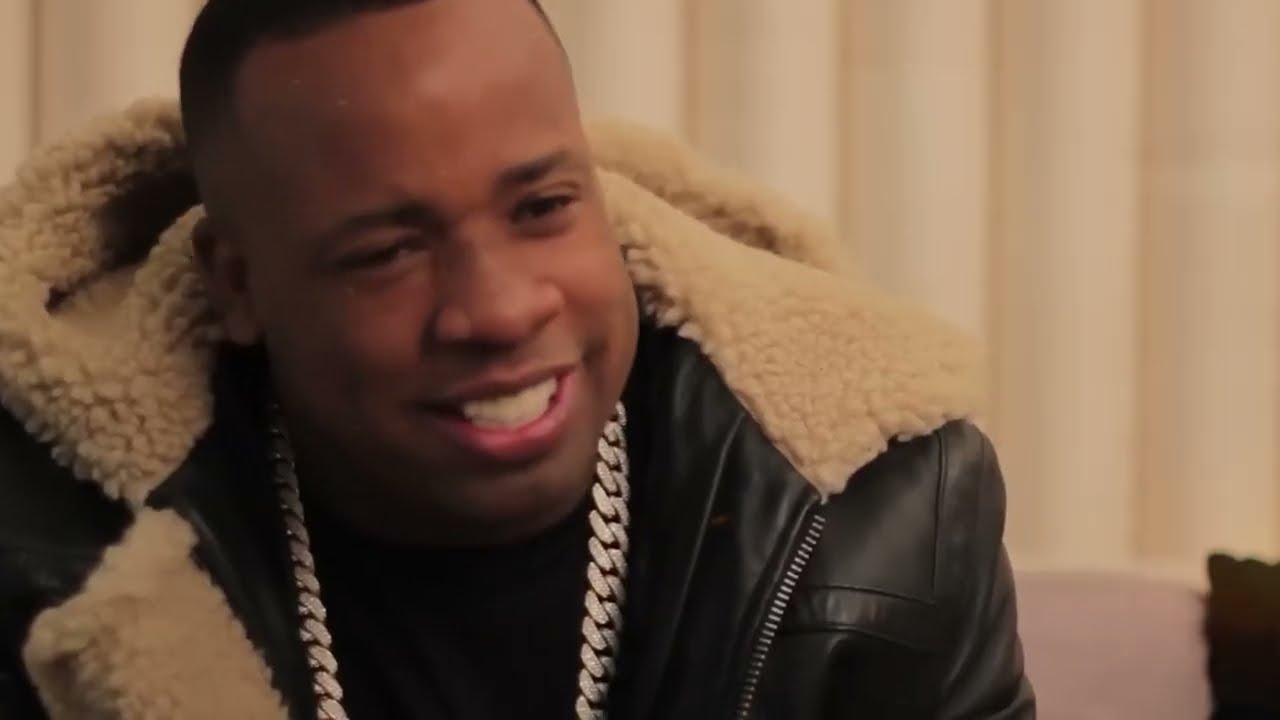
Yet, Johnson’s conviction blew the case wide open instead of closing it. The central figure implicated by the testimony—Anthony “Big Jook” Mims—was already dead.
In a tragic and deeply complicated twist of fate, Big Jook was murdered in a Memphis shooting in January 2024, months before Smith’s courtroom bombshell. He was targeted outside a restaurant during a repass following a funeral. Street rumors immediately focused on the incident being potential retaliation for Young Dolph’s death, possibly tied to individuals connected to the Paper Route Empire. To this day, no arrests have been made, and the case remains unsolved.
Big Jook’s untimely end removed the most crucial voice in uncovering the full truth. He never had the chance to defend himself against Smith’s allegations, confirm the $100,000 bounty, or—most importantly—reveal whether anyone else, including his brother Yo Gotti, was aware of or involved in the planning. Whatever secrets he held about the conspiracy, about who approved the hit, and about the alleged payment of legal fees, they went to the grave with him, permanently shutting down the clearest path to a complete understanding of the entire, messy operation.
The Lingering Shadow of Unanswered Questions
Even with one killer convicted, the biggest, heaviest question still hangs over the city: Did Yo Gotti know anything about what his brother was allegedly planning?
There remains no direct public evidence linking Yo Gotti himself to ordering or approving the hit. All the current explosive allegations point to Big Jook. However, the deep familial tie—Big Jook was Gotti’s blood brother and a CMG stalwart—and the alleged organizational support for the shooters raise unavoidable suspicions. Was Big Jook handling “street business” entirely on his own, or was Gotti aware of the conflict and the extreme measures his inner circle was taking to settle the score? The claim that a CMG-connected person paid $50,000 in legal fees is the critical piece that suggests the situation was larger than a simple rivalry between two men, hinting at an organizational intent to protect those involved in the crime.
Young Dolph’s death is a heartbreaking study in the devastating consequences of allowing rap beef to bleed into real street conflict. What began as a rivalry over pride and label control escalated into two homicides, the destruction of multiple families, and the life imprisonment of young men who carried out the act. The price—measured in talent, potential, and human lives—was massive, dwarfing whatever ego-driven victory was sought. The full truth of who called the shots, who approved the final plan, and how high the conspiracy truly reached, remains buried forever in the silence of Memphis’s unsolved street violence.