Watters and Kelly Launch Blistering Critique of Ocasio-Cortez, Alleging Fabricated Political Identity
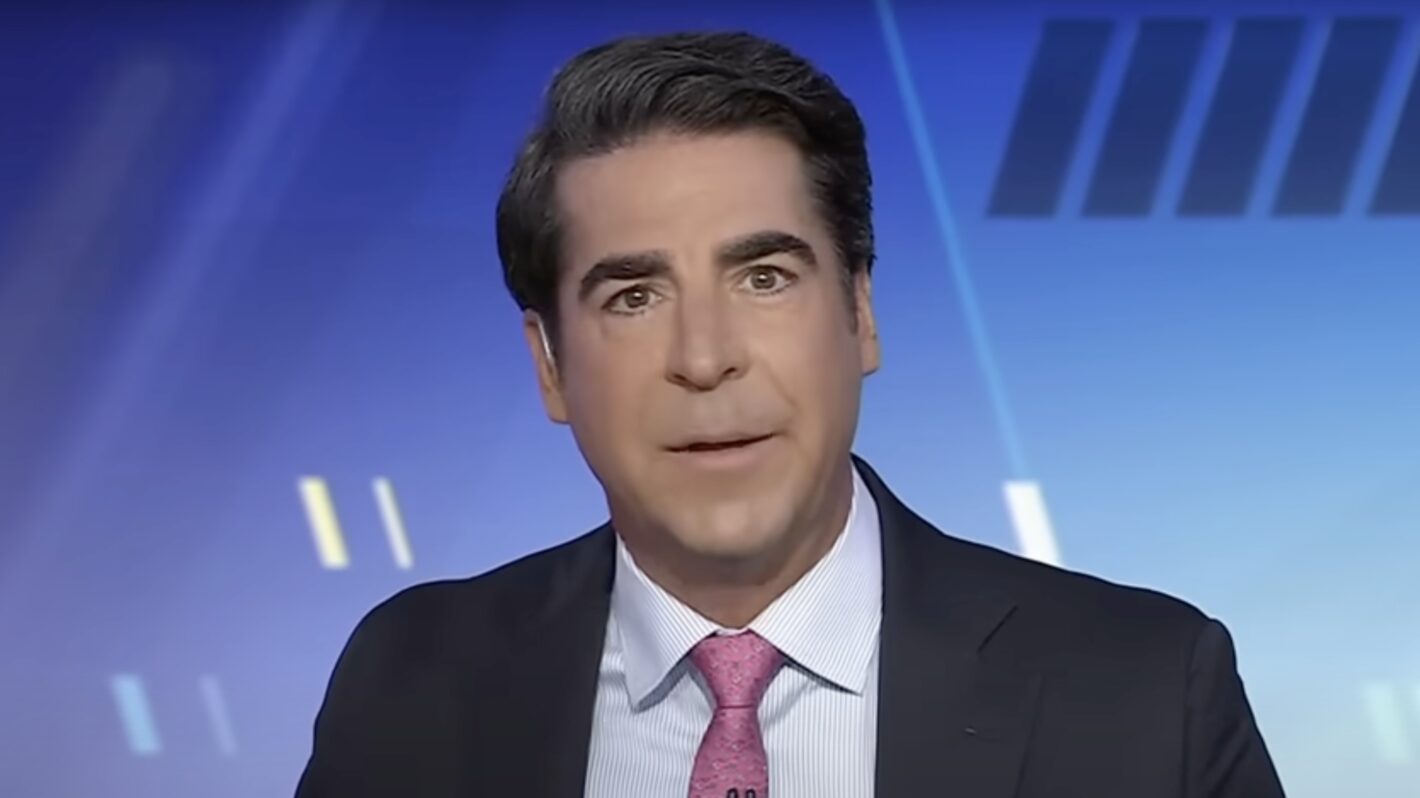
A recent televised segment featuring media personalities Jesse Watters and Megyn Kelly has ignited a fierce public debate over the authenticity of Congresswoman Alexandria Ocasio-Cortez, whom they accuse of cultivating a political persona that is fundamentally a performance. The two commentators systematically argued that the progressive representative’s public identity is a carefully constructed act, sparking an immediate and divisive reaction online and across the political spectrum.
The core of their argument centered on the assertion that Ocasio-Cortez is not a genuine product of a working-class background but rather an “actress” playing a part. “She’s not a working-class hero,” Watters stated during the broadcast. “She’s a career actress playing one. The Bronx story — it’s fiction. She grew up in Westchester, one of the richest counties in New York.” This claim was central to their deconstruction of what they termed “the performance of AOC.” To support this, Watters referenced maps and school records which he claimed document Ocasio-Cortez’s move from the Bronx to Yorktown Heights at a young age, suggesting her narrative of a hardscrabble upbringing was exaggerated for political gain. “It’s storytelling,” Watters concluded. “Struggle sells. So she sold it — and the press bought it.”
Megyn Kelly reinforced this perspective, shifting the focus from Ocasio-Cortez’s place of residence to what she described as a deliberate manipulation of public perception. “It’s not about where she lived — it’s how she’s manipulated the narrative,” Kelly said. “Every tear, every protest, every photo op, it’s all part of the act. She’s mastered the art of being seen, not the art of governing.” Kelly characterized the congresswoman’s approach as “Hollywood politics disguised as activism.”
:max_bytes(150000):strip_icc()/gettyimages-918784858-2000-71c74a0b2d3c495295664ceb13a37d5c.jpg)
Scrutiny of Public Appearances and Legislative Record
The segment presented a montage of Ocasio-Cortez’s most publicized moments, including emotional displays outside migrant detention facilities and her widely covered “arrest” during a protest at the Supreme Court. Watters singled out the latter event as definitive proof of his claim. “That was the giveaway,” he said, asserting that footage showed her pretending to be handcuffed. “That wasn’t resistance — it was rehearsal. She knew exactly what she was doing.” Echoing this sentiment, Kelly labeled the moment “performance art,” adding, “She’s auditioning for moral sainthood while delivering nothing of substance.”
The critique extended beyond her public persona to her legislative effectiveness during her five years in Congress. Watters questioned her policy accomplishments directly: “Where’s the legislation? Where’s the healthcare plan? The infrastructure reform? She’s been in Congress five years and has achieved nothing except viral moments.” Kelly targeted Ocasio-Cortez’s signature policy proposal, the Green New Deal, dismissing it as “A high-school fantasy project wrapped in hashtags. She’s got half-baked ideas and a full-production team.”
Watters ultimately defined Ocasio-Cortez as “the first influencer of Congress,” arguing that her political operation functions more like a branding exercise than a legislative one. “Every outfit, every soundbite, every tweet is strategy. She’s not leading a movement. She’s running a brand,” he said.
Online Firestorm and Broader Implications
The segment’s impact was immediate, triggering a massive response on social media platforms. The hashtag #AOCPerformance began trending on X and TikTok within hours, becoming a rallying point for both her critics and defenders. Conservatives widely shared older photographs of Ocasio-Cortez in Yorktown, juxtaposing them with quotes from the Watters-Kelly broadcast. In response, progressives and supporters of the congresswoman condemned the attack as “sexist,” “condescending,” and evidence of conservative fear. One social media user wrote, “They call her fake because she’s effective — the same script they’ve used on every woman who scares them.”
The controversy prompted analysis from media and political commentators. One columnist described the segment as “the most coordinated media offensive on AOC since 2019.” Another observer, writing for The Hill, suggested the critique had a wider target than just one politician, stating, “They’re not just going after AOC. They’re going after the influencer-era politician.” This perspective frames the incident as a symptom of a larger cultural fatigue with image-driven politics.
According to aides on Capitol Hill, Ocasio-Cortez’s office was inundated with media inquiries but did not issue an official statement. A staffer commented privately to reporters, saying, “She’s not fazed. She’s seen this movie before.” However, the timing of the controversy was noted by insiders as potentially problematic, as it coincides with Ocasio-Cortez’s efforts to build momentum for a new national climate initiative.
In his summary of the firestorm, Watters delivered a line that circulated on conservative talk radio: “Politics used to be about serving people. Now it’s about serving your brand — and AOC is the biggest influencer in Washington.” Kelly’s final assessment became a widely cited quote. “She’s not a movement. She’s a marketing campaign. And America’s finally starting to see the difference,” she stated. The segment has undeniably struck a cultural nerve, intensifying the ongoing debate about the role of authenticity versus performance in the modern political arena.