OC Considers Complete Ban on Transgender Athletes for Future Olympics
The International Olympic Committee (IOC) is reportedly moving toward a sweeping, unified policy that would entirely prohibit transgender athletes from participating in the Games. While the 2028 Los Angeles Olympics are still three years away, sources indicate that internal discussions are heavily favoring a total ban across all sports, a change that would drastically reshape the landscape of elite competition.
Shifting the Policy Landscape
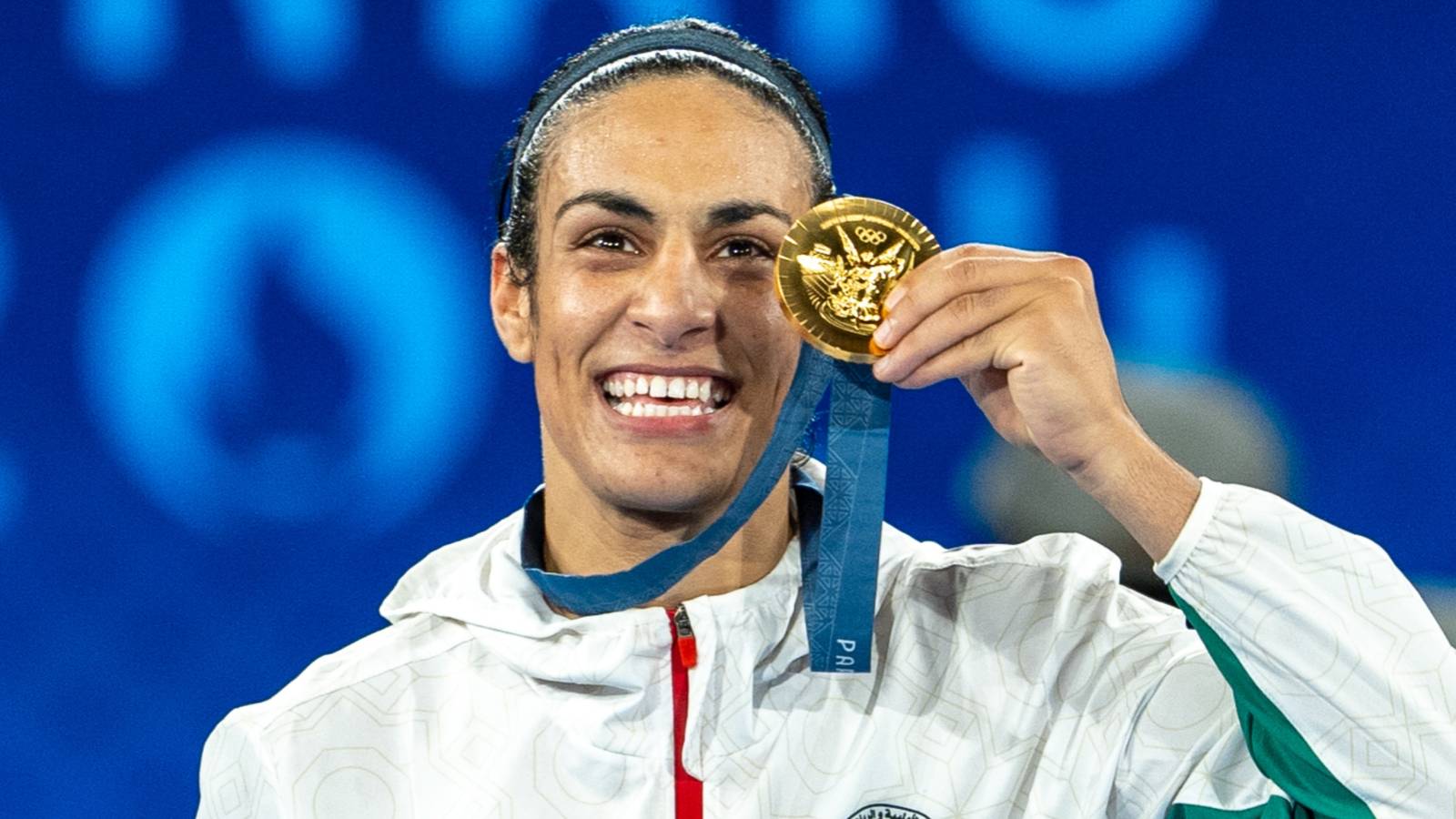
Under the current Olympic framework, eligibility rules for transgender athletes are determined on a sport-by-sport basis, typically requiring competitors to maintain testosterone levels below a specified threshold. This flexible approach has recently led to significant controversy, exemplified by New Zealand’s Laurel Hubbard competing in the women’s weightlifting super heavyweight category at the 2020 Tokyo Olympics after transitioning in 2012.
Aware of the global debate surrounding trans inclusion, the IOC has intensified its review process. Last week, Dr. Jane Thornton, the IOC’s Director of Health, Medicine and Science, delivered a crucial, science-based review on trans participation during meetings with IOC Members.
The IOC officially confirmed these internal deliberations, stating: “An update was given by the IOC’s Director of Health, Medicine and Science to the IOC Members last week during the IOC commission meetings.”
Despite the IOC insisting that “no decisions have been taken yet,” sources close to the process confirm that the “direction of travel” overwhelmingly favors a comprehensive ban. If approved, this policy would mark a landmark departure from the current decentralized rules.
Timeline and Political Ramifications
The implementation of such a policy would not be immediate. The ban is highly unlikely to come into effect before the Milano Cortina 2026 Winter Olympics, and the full approval process is expected to take up to a year.
News of the pending ban carries significant political weight and would likely be welcomed by figures such as President Donald Trump, who previously signed an executive order aiming to restrict transgender women from competing in female sports.
Uncertainty for DSD Athletes and Imane Khelif
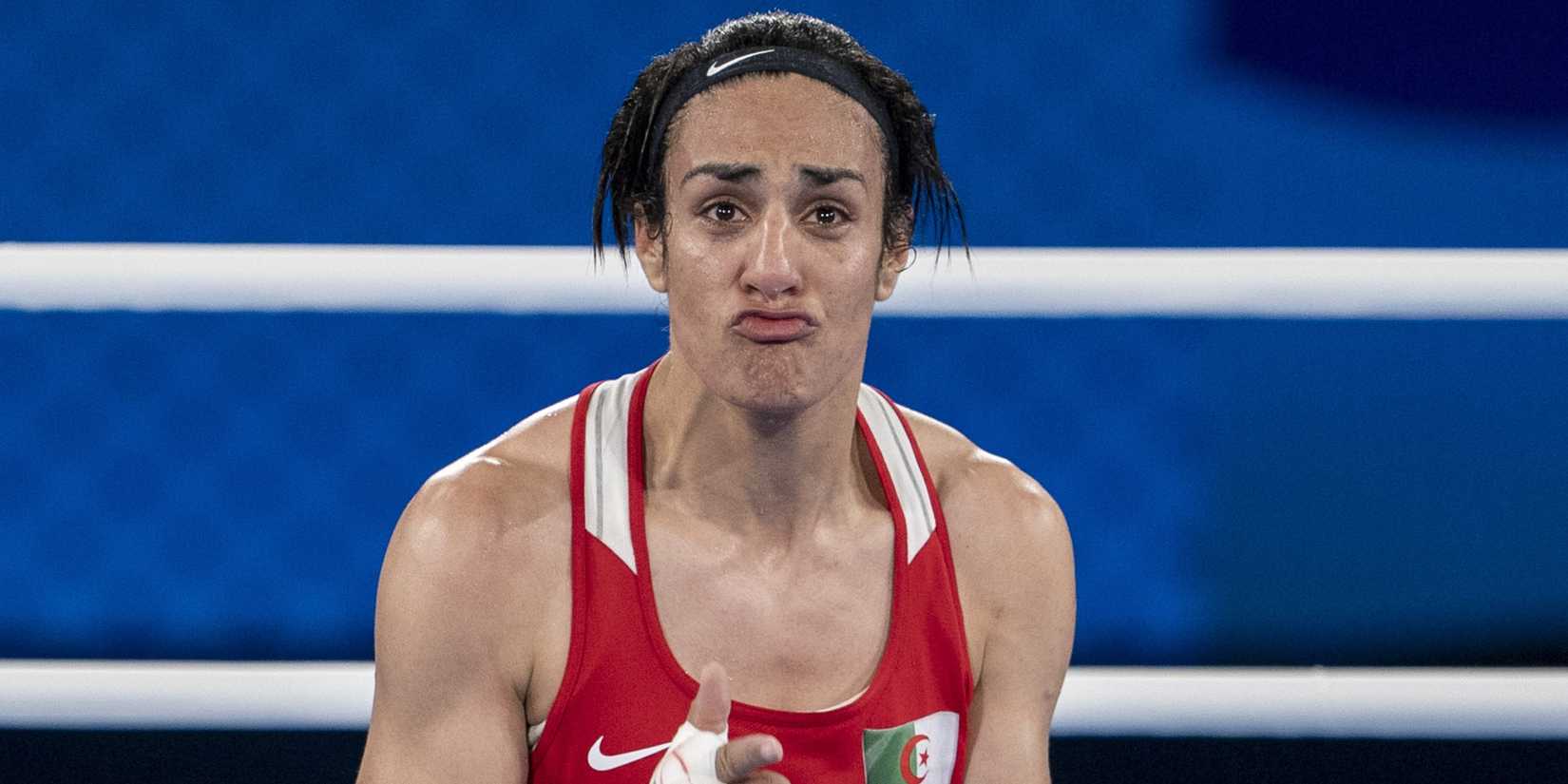
Complicating the policy discussion is the separate designation for athletes with Differences of Sexual Development (DSD). A DSD athlete is medically defined as a competitor who possesses male chromosomes but was raised as female.
Crucially, the currently planned transgender ban will not necessarily apply to DSD athletes.
However, this distinction has immediate consequences for athletes like Imane Khelif, the Algerian Olympic boxing champion who won the gold medal in the women’s 66 kg (welterweight) event at the 2024 Summer Olympics. Khelif insists she was born female but has faced repeated accusations of falling under the DSD designation. She has not fought since her Paris victory, having been barred from participating in the World Boxing Championships in Liverpool last September over failed gender eligibility tests.
While confusion remains over whether the specific transgender ban would prevent Khelif from defending her gold medal in Los Angeles, it is widely anticipated that if the trans rule is introduced, Olympic officials will face immense pressure to implement similar restrictions for DSD athletes. Such a move would effectively block Khelif from competing at the Olympic level again, making the IOC’s final ruling a pivotal moment for both inclusion and the perceived integrity of women’s sports.