The Kansas City Chiefs arrived in Dallas on Thanksgiving Day hoping to turn a crucial holiday fixture into a statement win that would solidify their status as the dominant force in the AFC. They left Texas with a stinging 31-28 loss to the Cowboys, an outcome that has done more than just dent their record; it has stripped away their margin for error and exposed a series of deep, structural flaws that now threaten to derail the dynasty.
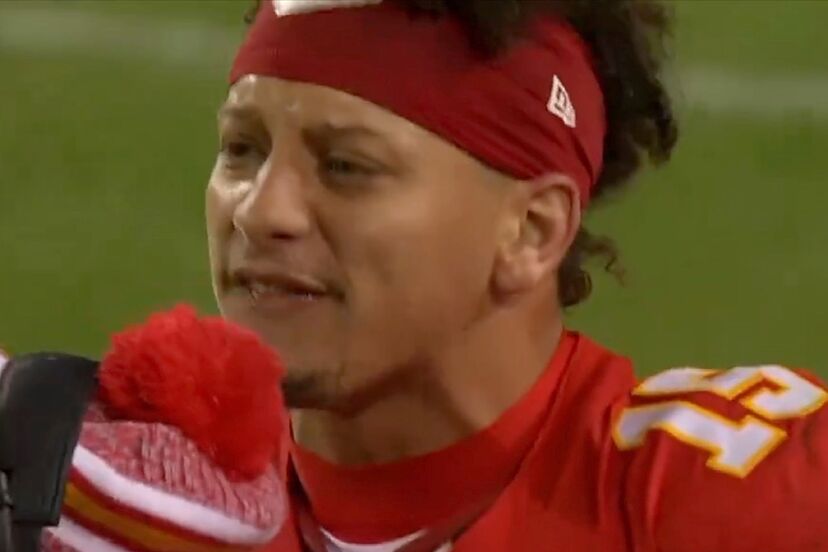
The post-game press conference, featuring Head Coach Andy Reid and franchise quarterback Patrick Mahomes, was less a routine debrief and more an emergency summit. The mood was one of frustration, urgency, and thinly veiled anger, providing a stark contrast to the effortless confidence that has defined the team for years. The message from the franchise leaders was clear: the Chiefs are in a crisis, their issues stem from a crippling inconsistency, and the path forward is a narrow, unforgiving mandate to win every game from here on out.
The Inconsistency That Kills: A Recipe for Disaster
The primary theme hammered home by Mahomes was a lack of consistency. In a career-defining moment of raw honesty, the quarterback—who still put up four touchdowns—admitted that the team is capable of both brilliance and catastrophic failure. “We can beat anybody, but I mean we’ve shown that we can lose to anybody,” Mahomes stated plainly. This is a chilling assessment for a franchise whose “ceiling is playing in the Super Bowl,” as Mahomes still claims. The chasm between their potential and their on-field execution has never been wider.
The issue, Mahomes explained, is not a lack of talent or a flaw in the scheme, but a failure to execute at a high level for a full four quarters. The Chiefs had great plays, big runs, and moments where they looked unstoppable, but the flashes of genius were undone by critical periods of “disjointed” play. “We got to be consistent for four quarters, especially when you play good football teams,” Mahomes stressed, taking responsibility by adding, “It starts with me being consistent throughout the entire game, not just big moments.”
This inconsistency is compounded by the mental errors that haunt the team. The quarterback was unequivocal about the damage being done by penalties, lamenting that having “10, 11 whatever it was penalties” invariably kills drives and makes it impossible to gain first downs. Getting pushed “behind the sticks” on first and second down has been a recurring self-inflicted wound all year, putting unsustainable pressure on the offense.
The Referee Controversy: Reid’s Subtle Rage
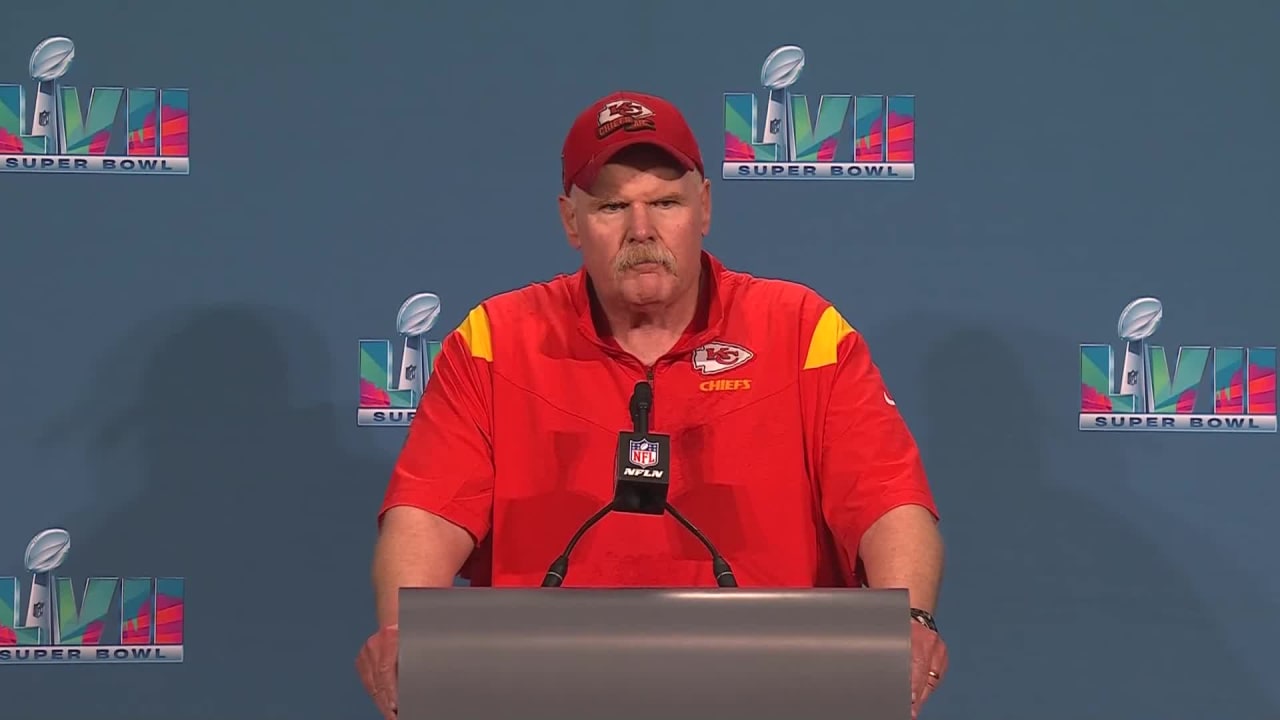
While Mahomes spoke about self-inflicted wounds, Coach Andy Reid focused on the external forces that he felt unfairly derailed his offense. Reid, known for his stoicism, chose his words carefully but allowed his frustration with the officiating to be palpable. He confirmed his disagreement with “the call,” especially regarding the Dallas defense’s physical coverage on Chiefs receivers.
Reid noted that the Cowboys have “physical receivers, big strong physical guys,” and that his players were “fighting” to maintain leverage. His careful phrasing—”It’s just it’s not the way I saw it, but it’s the way they saw it, the officials saw it, so they they made the calls”—was a masterful, yet thinly veiled, criticism of the officiating. The implication was clear: the officials were letting the Cowboys play a highly physical, defensive game, while penalizing the Chiefs for their attempts to fight back.
This frustration was not just about pride; it was about pivotal moments that altered the game’s momentum. Post-game analysis highlighted at least two drives deep into Dallas territory that were derailed by questionable penalties, including a holding call on Josh Simmons that “looked more like a pancake” and an offensive pass interference flag on Xavier Worthy that “looked more like well nothing.” These penalty-induced drive killers were so frustrating that they reportedly factored into Reid’s unusually conservative play-calling in the third quarter.
The Loss of Nerve and the Third-Down Collapse
The analysis of the Thanksgiving loss revealed a painful truth about the Chiefs’ coaching and defense. The game was effectively lost on two fronts: a defensive collapse on third down and a baffling conservative streak from the usually aggressive Reid.
The Defensive Death Sentence: The Chiefs’ defense, despite playing well on first and second downs, was killed on third downs, specifically third and long. Dallas was forced into third and long (seven yards or more) six times. Dak Prescott converted six out of six of those attempts, often for nine or more yards and a touchdown, repeatedly exposing the Chiefs’ cornerbacks, Trent McDuffie and Jaylen Watson. This staggering failure to get off the field on the money down sealed the Chiefs’ fate, confirming a recurring defensive issue that has plagued the team in their losses.
The Conservative Catastrophe: The post-game analysis was critical of Reid’s decision-making in the third quarter, calling it his “most conservative decision-making to date.” Twice, Reid opted to punt the ball from the plus side of the field—deep in Dallas territory—instead of trusting his offense to convert on fourth down. In the heat of a tight battle, this move was confusing, suggesting a profound loss of confidence in the offensive unit after the penalty flags had flown. When combined with the criticism that the play-calling grew conservative every time the Chiefs were “playing from behind the sticks,” it paints a picture of a team that lost its nerve and its trademark aggression at the most crucial juncture.
The New, Dangerous Dynamic of Mahomes and Kelce
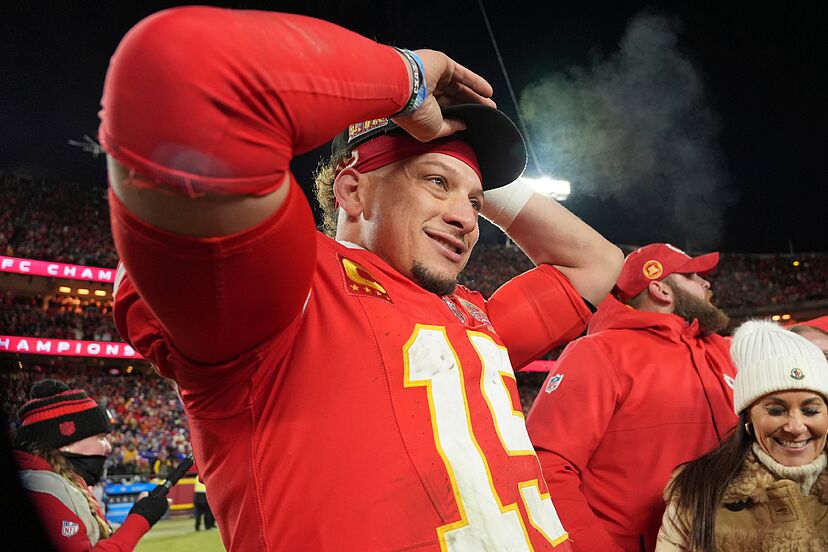
In the midst of the frustration, there was a moment of true, breathtaking genius that hints at a dangerous new evolution in the Mahomes-Kelce relationship. The touchdown pass to Travis Kelce—a two-yard, fourth-down conversion—was unique. Mahomes executed the throw even though Kelce was “fully blanketed” by linebacker Kenneth Murray.
Mahomes didn’t throw to open space; he threw to a specific leverage point, relying on Kelce’s athleticism and years of synergy. This reflects an unsettling but electrifying trend that the quarterback himself confirmed: he has been consistently throwing into “tight windows” at a career-high rate of 12.8% this season, a significant leap from his 8.7%-10.3% rates in the previous four years.
This shift signifies a quarterback adjusting to a less explosive receiving corps by taking greater, more calculated risks with his most trusted target. While it produced a touchdown, the statistic raises a fundamental question: Is the Chiefs’ offense now operating with so little margin for error that their success relies entirely on these high-risk, tight-window throws? It’s a spectacular dynamic, but one that reflects desperation as much as innovation.
The Physical Crisis: An Offensive Line Decimated
The emotional toll of the loss was quickly matched by the physical toll. The Chiefs entered the game already without starting guard Trey Smith. By the end of the game, they had lost two more starting offensive linemen to injury: right tackle Joan Taylor with an elbow injury and left tackle Josh Simmons with a wrist injury. Both players failed to return to the game, leaving the Chiefs severely shorthanded up front.
Mahomes was quick to praise the reserve linemen who battled through the short week against a strong defensive front. But the reality is stark: the Chiefs’ protection has been severely compromised at the most concerning positions—the tackles. The post-game analysis warned that this sudden decimation of the offensive line could have a devastating long-term effect, highlighting that while the Chiefs have often succeeded despite inferior interior line play, they have historically struggled to overcome subpar tackle play.
The Ultimatum: Win Every Game
Looking ahead, the Thanksgiving Day loss served as a brutal reset button. Patrick Mahomes, recognizing the precarious situation, stated the team’s new reality with the gravity of a general addressing his troops before a final battle.
“At the end of the day, you just got to win. Got to win every game now,” he asserted. “We’re going to have to win them all and that’s got to be the mindset when we step into the building.”
The Chiefs are now playing from behind in the AFC playoff race, and their margin for error—lost through a combination of inconsistency, penalties, conservative coaching, and now, critical injuries—is gone. The question for the Chiefs is no longer about winning Super Bowls, but about simply ensuring they “get in the dance at all.” The legacy of the dynasty rests on the team’s ability to shed the inconsistency that plagues them, trust their quarterback, and embrace the high-stakes, win-or-go-home mindset that Mahomes has now declared as their only path forward. The season is no longer about cruising; it is about survival.