The Grammys That Refused to Be Polite: Unscripted Chaos and a Demand for Justice
The 67th Annual Grammy Awards was supposed to be a night of relief and self-congratulation, a glittering return to form after a period of collective hardship. Held in Los Angeles, a city still reeling from one of the largest natural disasters in American history, the ceremony felt, in the words of host Jimmy Kimmel, “self-indulgent and superfluous.” This underlying tension between tragedy and triumph defined an evening that became one of the most unpredictable and politically charged in the Grammys’ history.
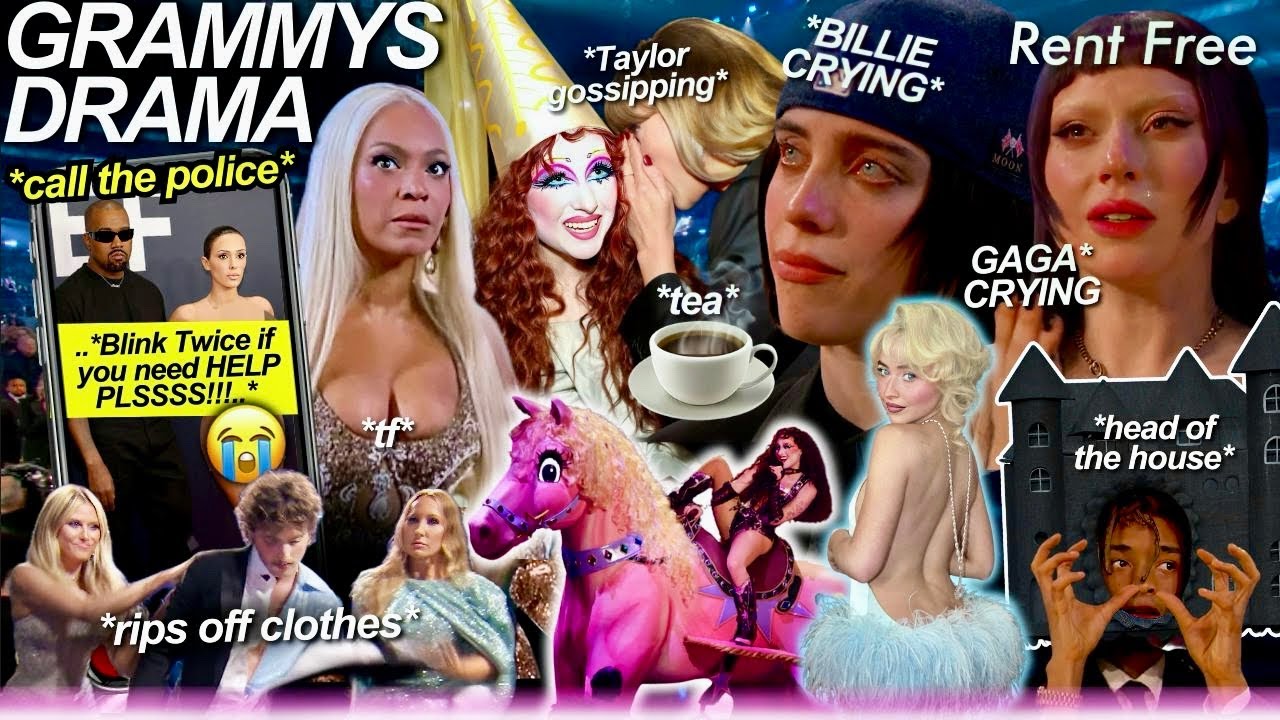
Kimmel’s opening monologue, while attempting to bridge the gap with an appeal for donations to the music community’s fire relief fund, was laced with his signature sharp, almost uncomfortable humor. He joked about the cost of maple syrup, the use of AI to generate new music from The Beatles, and the faint hope of a new Rihanna album thanks to technology. He even called out corporate sponsors to pressure them for donations, showing a genuine, if awkwardly executed, commitment to the disaster relief effort. Yet, no amount of scripted comedy or host prodding could prepare the audience for the tidal wave of raw, unedited drama and impassioned activism that was about to unfold, from a controversial red carpet appearance that sparked public concern to a Best New Artist winner demanding fundamental labor rights.
The West Coast Crown: Kendrick Lamar’s Undeniable Triumph
The biggest moments of the night belonged not to an album cycle or a world tour, but to a single, seismic song that dominated the cultural conversation for months. Kendrick Lamar’s electrifying track, “Not Like Us,” cemented its place in hip-hop history by winning the night’s two most prestigious singles awards: Record of the Year and Song of the Year.
Lamar’s victory was more than just a musical win; it was the final, decisive chapter in one of the most high-profile and captivating rap rivalries of the decade. The intense public and industry fascination with the feud between him and another superstar reached a fever pitch, and this Grammys sweep was seen as the definitive verdict. The sheer weight of the victory was underscored by commentators who noted that, with his wins for “Not Like Us,” Kendrick Lamar tied the total number of Grammys held by his primary antagonist in the rivalry, essentially matching a career’s worth of awards in a single night—a symbolic and shattering mic drop that reverberated across the genre.
Accepting the accolade, Lamar was visibly moved, dedicating the award to his late “Auntie Sharing,” who had passed away just the day before. He then offered a powerful tribute to his roots, dedicating the song to “the City Compton, Watts, Long Beach, Inglewood, Hollywood,” celebrating the unified culture of the West Coast. His speech was concise, forceful, and deeply personal, capturing the raw energy and authenticity that defined the song’s success and cemented his legacy as a generational force.
Beyoncé Shatters Genre: The Cowboy Carter Revolution
In a move that solidified her status as music royalty and a true artistic pioneer, Beyoncé took home the night’s most coveted prize: Album of the Year for her groundbreaking record, Cowboy Carter. The win for an album that explicitly and triumphantly delved into the country music genre was not just a victory for the artist, but a profound statement against the restrictive nature of musical categorization.
Visibly shocked and honored, Beyoncé delivered a powerful acceptance speech that was both gracious and challenging. She noted that she was still in shock and thanked the incredible country artists who had not only collaborated on the album but “accepted this album.” She then delivered a line that instantly became a rallying cry for creatives everywhere: “Sometimes genre is a cold word to keep us in our place as artists.”
By dismantling the artificial boundaries of genre, Beyoncé used her platform to encourage all creators to follow their passion and stay persistent, regardless of where the industry attempts to categorize them. Her win for a country-infused work in a major category signaled a seismic shift in the music landscape, proving that artistic courage and creative exploration can triumph over traditional industry gatekeeping. The full circle moment of the night underscored her relentless pursuit of artistic freedom and her enduring reign as one of the most important figures in modern music.
The Radical New Voice: CHIN Demands Healthcare on Stage
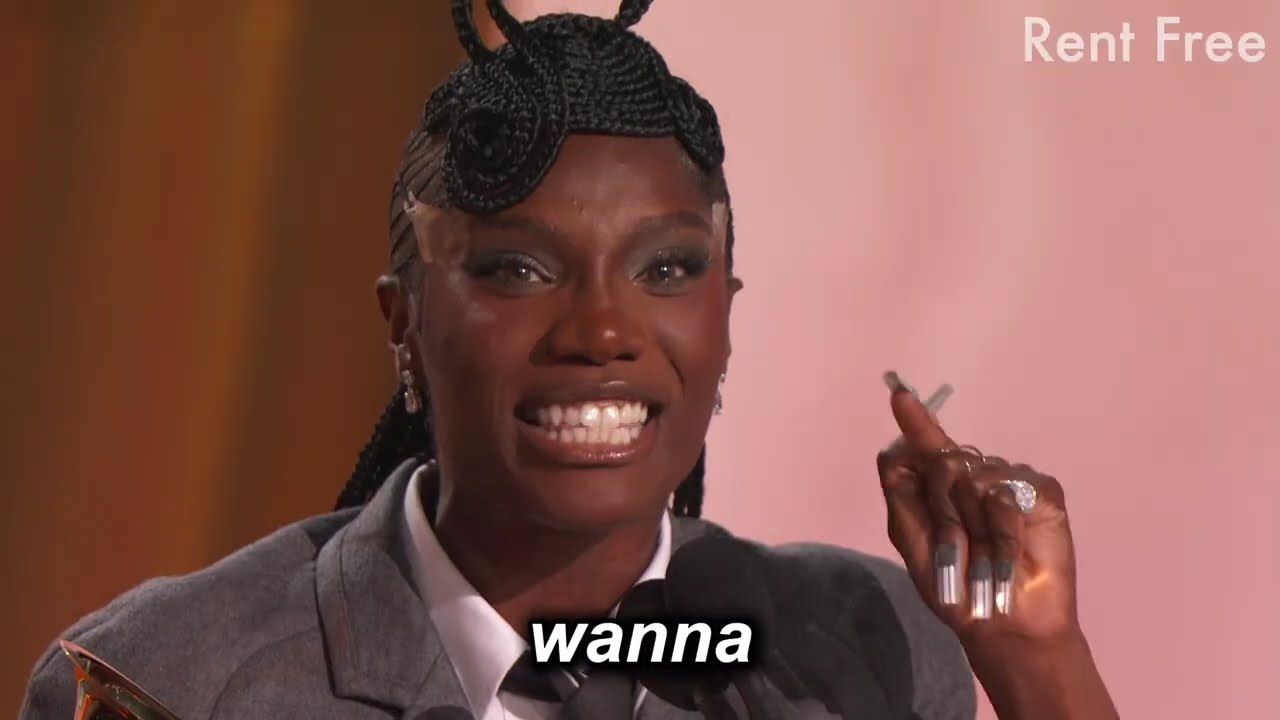
While the titans of the industry collected their predictable trophies, the moment that truly shocked the establishment came during the presentation of Best New Artist. The award went to CHIN, who immediately transformed the traditional acceptance speech into a fierce and unexpected demand for industry-wide labor reform.
With the eyes of the global music elite upon him, CHIN spoke about his own journey, revealing that he had been signed as a minor and later dropped, leaving him with “zero job experience and could not afford health insurance.” He used his moment of victory not to thank managers or label executives, but to challenge them directly:
“I told myself if I ever won a Grammy and I got to stand up here in front of the most powerful people in music, I would demand that labels in the industry profiting millions of dollars of artists would offer a livable wage and healthcare, especially to developing artists.”
This was not a vague call for change; it was a clear, unambiguous demand for fundamental labor rights within an industry notorious for exploiting young talent. The speech was an unprecedented and powerful act of advocacy, forcing the uncomfortable truth of financial precarity onto music’s biggest night. CHIN’s courage to risk his burgeoning career for the sake of future artists instantly cemented his status as a defiant, necessary new voice in music.
The Red Carpet Shockwave: Fashion, Control, and Public Concern
Before the awards even began, the red carpet was rocked by a spectacle of controversy and concern that immediately seized the attention of social media and news outlets worldwide. The most talked-about appearance belonged to Ye (Kanye West) and Bianca Censori, whose presence became less about fashion and more about a deeply unsettling display of celebrity spectacle.
Bianca Censori arrived in an outfit that pushed the boundaries of public decency past any reasonable threshold. She was seen stripping off a coat to reveal attire that commentators described as leaving her “to all intents and purposes completely naked,” with visible body parts covered only by a gossamer-thin sheath. The reaction was swift and stark. Commentators, visibly disturbed, noted the discomforting power dynamic between the couple. The analysis focused not on the outrageousness of the look, but on the perceived dominance of one partner and the seemingly docile, blank expression of the other, leading to a public debate about control and the exploitation of personal expression for shock value.
The commentary on their appearance went beyond simple critique, evolving into a televised analysis of a potentially unhealthy relationship dynamic. The collective public discomfort surrounding the pair’s performance overshadowed other dramatic fashion moments of the evening, including Ava Max’s bizarre look, which was described as demonic, and Cher’s confusing, poncho-like attire. The intense criticism served as a chaotic contrast to the artistic triumphs of the night, reminding viewers that the celebrity ecosystem is often a volatile and uncomfortable space.
Fortunately, there were also moments of high-fashion victory. Sabrina Carpenter, who won Best Pop Vocal Album for Sweet Sabrina, shone in a breathtaking JW Anderson gown, celebrated for its gorgeous design and utter perfection. Cardi B was hailed for her glamorous look by Roberto Cavalli, and Doja Cat was recognized for her bold, couture choice by Thom Browne, a dramatic look that was deemed a perfect fit for her theatrical persona.
The Social Conscience of Music
The evening was punctuated by moments of social advocacy that affirmed music’s role as a voice for the marginalized. When Las Más accepted the award for Best Latin Pop Album, they dedicated their win to their “immigrant brothers and sisters,” offering a promise that they would “always fight with you.” It was a heartfelt moment of solidarity that amplified a message of welcome and inclusion.
Similarly, after winning the award for Best Pop Duo/Group Performance for “Die With a Smile,” Lady Gaga, alongside collaborator Bruno Mars, used her time to speak directly to the queer community. Her message was clear and powerful: “trans people are not invisible, trans people deserve love, the queer community deserves to be lifted up.” It was a simple, yet essential, validation delivered from one of the industry’s most respected global platforms.
Ultimately, the 67th Grammys was an evening where music’s biggest night transcended its ceremonial role. It was a chaotic, unforgettable broadcast that delivered a powerful West Coast hip-hop victory, a history-making genre crossover by an icon, an explicit call for labor reform, and a series of shocking red carpet dramas that reflected the intense, sometimes uncomfortable, media spectacle of modern celebrity. The night proved that the power of music is not just in its artistry, but in its ability to force uncomfortable truths into the spotlight.