The world of professional basketball woke up on October 23, 2025, not to the excitement of a new season, but to a terrifying reality ripped straight from a Hollywood crime script. Just two days after the opening tip-off, the Federal Bureau of Investigation (FBI) unleashed a coordinated, multi-state operation that sent immediate, irreversible shockwaves through the National Basketball Association (NBA), culminating in the simultaneous arrest of over 30 individuals, including some of the league’s most recognizable figures.
This was no ordinary investigation. Federal authorities described schemes so brazen, so intricate, and so technologically advanced that they invoked comparisons to the greatest organized crime thrillers. At the heart of the matter lay two interconnected criminal enterprises: a multi-million-dollar insider sports betting ring that weaponized confidential league information, and a sophisticated, mafia-backed underground poker operation that used NBA stars as human bait.
The entire episode, which federal prosecutors hint is “only the beginning” of a much larger crisis, has placed the entire league in a state of panic, shaking fan confidence and threatening the legitimacy of the sport itself. What started as whispers of suspicious activity has mushroomed into a full-blown integrity crisis, forcing the NBA to grapple with the darkest consequences of its deep embrace of the sports gambling industry.
The Bombshell Arrests That Rocked the NBA’s Foundation
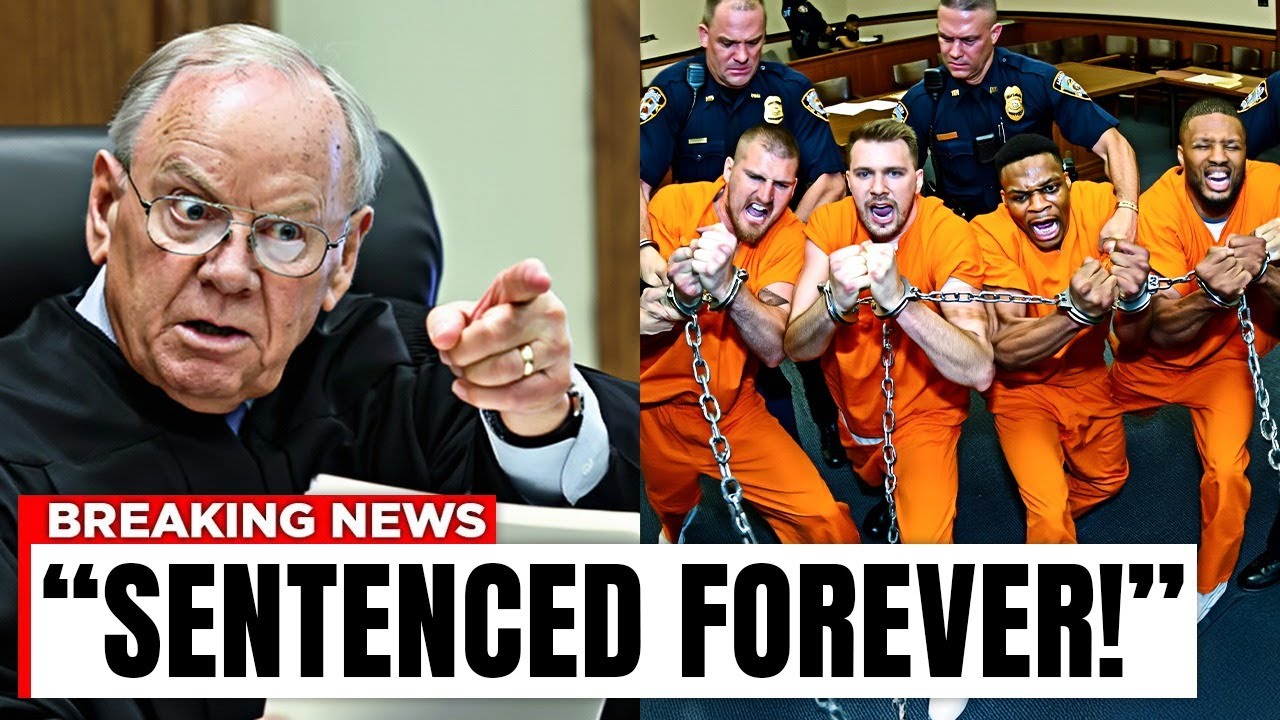
The public shock reached its zenith with the naming of the high-profile defendants. Among the 31 individuals publicly indicted were household names who were, until that moment, celebrated pillars of the basketball community.
Chauncey Billups, the revered Portland Trailblazers head coach, a five-time NBA All-Star, the 2004 Finals MVP, and a freshly inducted Hall of Famer, was one of the central figures. His arrest in Portland, Oregon, was a devastating blow to his legacy, connecting a man known for his integrity as a player and coach to an illegal poker operation with direct links to the mafia. His appearance in federal court in a brown hoodie and gray sweatpants, facing charges that threaten his freedom and his legacy, highlighted the tragic nature of the scandal.
Equally startling was the arrest of Terry Rozier, the Miami Heat guard known as “Scary Terry,” a 10-year veteran with a contract worth a staggering $26.6 million annually. Rozier was arrested in Orlando, Florida, and appeared in federal court in his Charlotte Hornets gear, facing accusations of manipulating his on-court performance to benefit associated bettors. Prosecutors sought a $10 million bond, a testament to the severity of the charges, with the judge eventually setting it at $6 million and imposing strict conditions, including surrendering his passport and an absolute prohibition on any form of gambling.
Also implicated was Damon “Mookie” Jones, a former NBA player and assistant coach who had spent 11 years in the league and was closely associated with some of its biggest stars, including LeBron James. Jones faced arraignment in Las Vegas, where prosecutors explicitly stated he suffered from a “very serious gambling problem,” underscoring the role that addiction may have played in this colossal collapse of judgment.
The arrests were carried out with “military precision” across 11 states, marking the culmination of years of painstaking investigative work by the FBI. The scenes, though not physically chaotic, were deeply dramatic, sending an unmistakable message that the federal government was determined to expose corruption at the highest levels of American professional sports.
Operation Nothing But Net: Inside the Insider Betting Scam
The first major criminal enterprise unsealed by the U.S. Attorney’s Office for the Eastern District of New York was dubbed, rather ironically, Operation Nothing But Net. This sophisticated scheme, which operated for years, centered around exploiting non-public NBA information to gain an insurmountable edge over sportsbooks and legitimate bettors.
The mechanics of the operation were simple in concept, devastating in execution: individuals with insider access—including players, coaches, and close team confidantes—would obtain sensitive information before it was officially released. This included injury reports that hadn’t been filed, final lineup decisions, player rest days, or even pre-arranged plans for a player to exit a game early. This privileged data was then fed to associates who placed substantial wagers on prop bets and game outcomes, guaranteeing massive, fraudulent winnings that prosecutors estimate total tens of millions of dollars.
Terry Rozier’s alleged involvement serves as the most brazen example of this insider exploitation. The indictment claims that on March 23, 2023, during a game between the Charlotte Hornets and the New Orleans Pelicans, Rozier exited after just nine minutes of play, citing a foot injury. Immediately prior to the game, a suspicious, massive uptake in betting activity was registered on Rozier’s “under” prop bets—wagers specifically predicting he would fall short of his projected statistical totals. When a player of Rozier’s caliber leaves that early, everyone betting the under wins big. Prosecutors allege Rozier was involved in manipulating at least seven games during the 2023–24 season, feeding information to his co-conspirators who placed over $200,000 in fraudulent bets.
Adding a bizarre and troubling detail, prosecutors claimed Rozier even hosted “money counting sessions” at his own home, where he and his associates would count the ill-gotten gains from their betting schemes. The sheer audacity of a player earning nearly $27 million per year risking his entire life and legacy for a fraction of his annual salary highlights a motivation that, as many analysts have noted, transcends simple greed and hints at something darker, perhaps an unchecked compulsion or addiction.
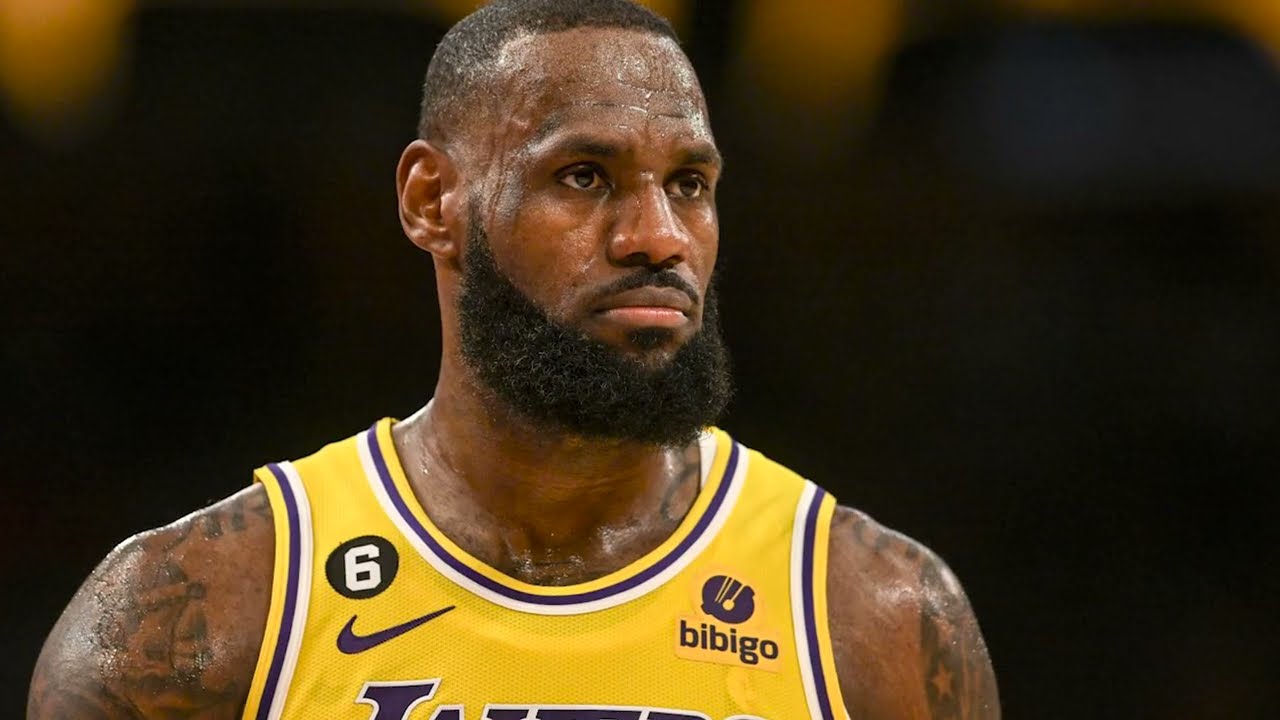
Damon Jones’s alleged actions followed a similar pattern of leveraging access. Jones is accused of providing insider information about LeBron James’ availability for a February 9, 2023, game. Having been an assistant coach with the Los Angeles Lakers, Jones allegedly had advanced, non-public knowledge that James would be sitting out due to an ankle injury. Armed with this certain knowledge, bettors could place essentially guaranteed wagers on the Lakers to lose or on James’s statistical props to fall short. These actions transformed the sacred trust of a coach’s or player’s relationship with the organization into a criminal opportunity.
Operation Royal Flush: Mafia Links and Rigged High-Stakes Poker
If the sports betting scheme was a betrayal of the game, the second criminal enterprise—dubbed Operation Royal Flush—was a chilling reminder of the long-standing shadow of organized crime in America. This operation was a mafia-backed underground poker ring involving multiple organized crime families, including the Bonanno, Gambino, Genovese, and Lucchese families, operating from 2019 through 2025.
The ring targeted wealthy individuals, using the presence of NBA celebrities as what the indictment termed “face cards”—famous faces whose presence would lend an air of legitimacy to games that were, from the start, masterclasses in sophisticated fraud. These high-stakes games took place in luxurious Manhattan penthouses, Vegas high-roller suites, and Hamptons estates, luring unsuspecting victims to lose more than $7 million. One particularly unfortunate individual lost $1.8 million in a single session.
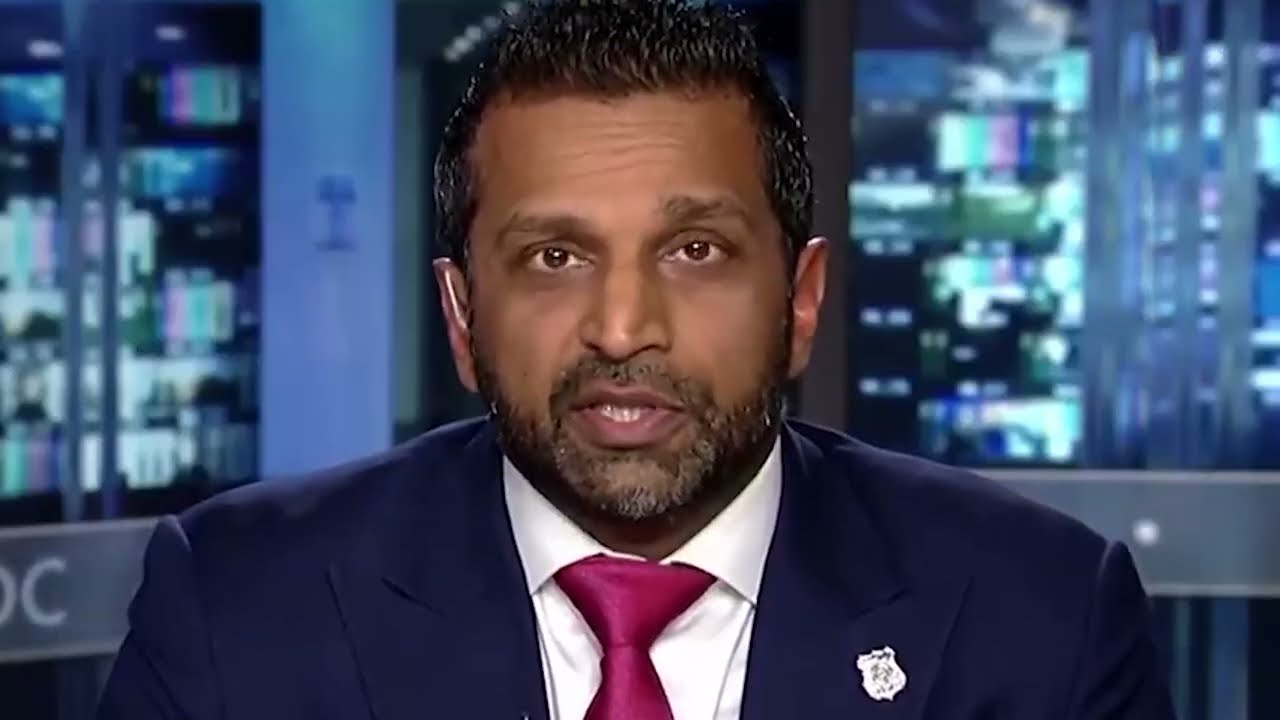
The cheating technology employed was truly “mind-boggling,” according to FBI Director Cash Patel. The ring utilized:
- X-Ray Tables: Poker tables equipped with X-ray technology capable of reading face-down cards.
- Rigged Shufflers: Shuffling machines designed to scan and analyze entire decks, feeding information to confederates in real-time.
- Specialized Optics: Marked cards visible only through special contact lenses or eyeglasses worn by the cheaters.
- Hidden Cameras: Devices concealed in chip trays and even chandeliers hanging above the tables, capturing every hand for accomplices in remote rooms who relayed instructions.
Chauncey Billups’ alleged role was particularly central to this poker ring, with court documents suggesting he may have been a co-conspirator who used his celebrity to draw in wealthy “fish.” But the most sinister detail lay in the collection methods: when victims couldn’t pay their debts, the polite pretense vanished. Organized crime enforcers, including “made men” from historic crime families, would resort to violence, threats, and extortion, including robbery at gunpoint, to ensure payment. This was not a friendly debt collection; it was the chilling enforcement mechanism of the American mafia.
The ‘Tip of the Iceberg’: Federal Prosecutors Issue a Warning
The sheer scale of the investigation suggests that what has been publicly revealed is merely the beginning of a larger reckoning. Federal authorities have made it crystal clear that more indictments are coming, using phrases like “tip of the iceberg” to describe the current state of affairs. ESPN’s respected gambling reporters have warned of a growing thought around the league that more high-profile names could emerge, a fear amplified by the rumor that over 150 new names were mentioned in a closed court session.
The federal prosecutor leading the case, Joseph Nosella Jr., delivered a stark warning shot across the bow, directed at the defendants and anyone else still involved: “Your winning streak has ended. Your luck has run out.” These were not the words of a prosecutor wrapping up a case but of one just getting started, confident that years of painstaking work, including executing over 24 search warrants, reviewing thousands of hours of surveillance video, and monitoring over 3,000 informant phone calls, had provided the foundation for a much broader exposure.
The precedent for the severity of punishment has already been set. The 2024 Jontay Porter scandal, in which the former Toronto Raptors center manipulated his own statistical performance for betting gain, resulted in a lifetime ban from the NBA and a prison sentence of up to four years, along with a half-million-dollar fine. Prosecutors described Porter’s scheme as significantly smaller in scope than the current cases, meaning the legal consequences facing Billups, Rozier, and the others cannot be overstated. Each charge of wire fraud conspiracy carries a maximum penalty of 20 years in federal prison, and money laundering carries similar maximums. Facing multiple counts, these defendants are looking at the potential of decades behind bars if convicted.
The Fallout: NBA in Damage Control and A Crisis of Confidence
The timing of the arrests was devastating. Occurring just two days into the 2025–26 season, the scandal instantly became the dominant narrative, eclipsing the on-court product. The NBA found itself in immediate damage control mode:
- Suspensions: Commissioner Adam Silver swiftly placed both Terry Rozier and Chauncey Billups on indefinite leave.
- Financial Impact: Viewership for games reportedly dropped between 10 to 15% year-over-year, as fans questioned the legitimacy of the competitions they were watching.
- Internal Failure: A leaked internal memo dated October 27th revealed league officials essentially admitting failure, stating that the NBA needed to do more to educate personnel about the “dire risks that gambling poses to their careers and livelihoods.”
This crisis underscores a fundamental, institutional conflict. Since the Supreme Court decision in 2018 overturned the Professional and Amateur Sports Protection Act (PASPA), effectively legalizing sports betting across most of the U.S., the NBA has been the most vocal and enthusiastic adopter of the industry. The league has entered into massive, lucrative partnerships with betting giants like FanDuel and DraftKings, generating billions in revenue. Critics had long warned that this deep embrace would inevitably compromise the integrity of the game—a warning that has now manifested as a full-blown existential crisis.
Career Destruction and the Shadow of Addiction
Beyond the legal and institutional ramifications, the human toll of the scandal is immense. Chauncey Billups, the beloved “Mr. Big Shot,” now sees his Hall of Fame induction and his 17-year career viewed through the lens of a mafia-linked conspiracy. Win or lose in court, his legacy is likely tarnished forever. Terry Rozier faces the potential voiding of his multi-million-dollar contract, the loss of his career, and the exposure of his private life, all for decisions that seem logically irrational given his existing wealth.
The case of Damon Jones, who prosecutors revealed is battling a “very serious gambling problem,” adds a layer of tragic complexity. Former NBA players like Kenny Smith have been quick to point out that gambling addiction is a force that can drive illogical decisions regardless of a person’s financial status, adding a dimension of public health concern to what many initially dismissed as simple greed.
However, others, most notably ESPN personality Stephen A. Smith and NBA legend Charles Barkley, have been less forgiving. Barkley was particularly harsh, calling the accused “stupid” and questioning why multi-millionaires would risk everything for what amounted to relatively small fraudulent gains. Shaquille O’Neal expressed shame for the league, emphasizing the hurt these actions inflicted not just on the individuals but on their families and the entire basketball community.
The stark reality is that the path forward for the defendants is treacherous. Federal prosecutors boast a conviction rate of approximately 90% in cases that go to trial, meaning most defendants will be advised to seek plea agreements. Such agreements typically require cooperation with ongoing investigations, potentially setting off a “domino effect” where each cooperating defendant provides information leading to new indictments against others—a terrifying prospect for the 150+ names rumored to be on the FBI’s radar.
Rebuilding Trust: New Safeguards and the Future of the Game
In the wake of this catastrophic failure of integrity, the NBA is scrambling to implement wholesale reforms aimed at rebuilding public trust. The leaked internal memo outlined several key initiatives:
- Enhanced Education: Stricter and more effective anti-gambling education for all league personnel.
- Advanced Monitoring: Implementation of AI and advanced monitoring tools to detect suspicious betting patterns more quickly and effectively than the previous system.
- Stricter Reporting: Overhauling injury reporting policies to close the loopholes that allowed for the exploitation of insider information.
- Prop Bet Review: Commissioner Adam Silver has advocated for banning certain types of prop bets entirely, specifically those focused on individual player statistics. These bets are particularly vulnerable to manipulation by a single player and eliminating them is viewed as a critical step to safeguard the game.
Beyond internal measures, congressional oversight is already mounting, with the House Energy and Commerce Committee demanding a briefing from the NBA. This level of scrutiny suggests that the league may soon face external pressure to justify its continued and expansive relationship with the sports betting industry.
The NBA’s current crisis is more than just a scandal; it is a fundamental test of its commitment to fair play. The league is caught between the multi-billion-dollar revenue streams generated by legalized betting and the core value of integrity that underpins its entire existence. The arrests of a Hall of Fame coach and a multi-million-dollar star, linked to high-tech crime and mafia violence, have made one thing painfully clear: The price of integrity is absolute, and in the NBA, that price is currently being paid in careers, reputations, and freedom. The long, arduous process of untangling the criminal web and attempting to restore confidence in the world of professional basketball has just begun.