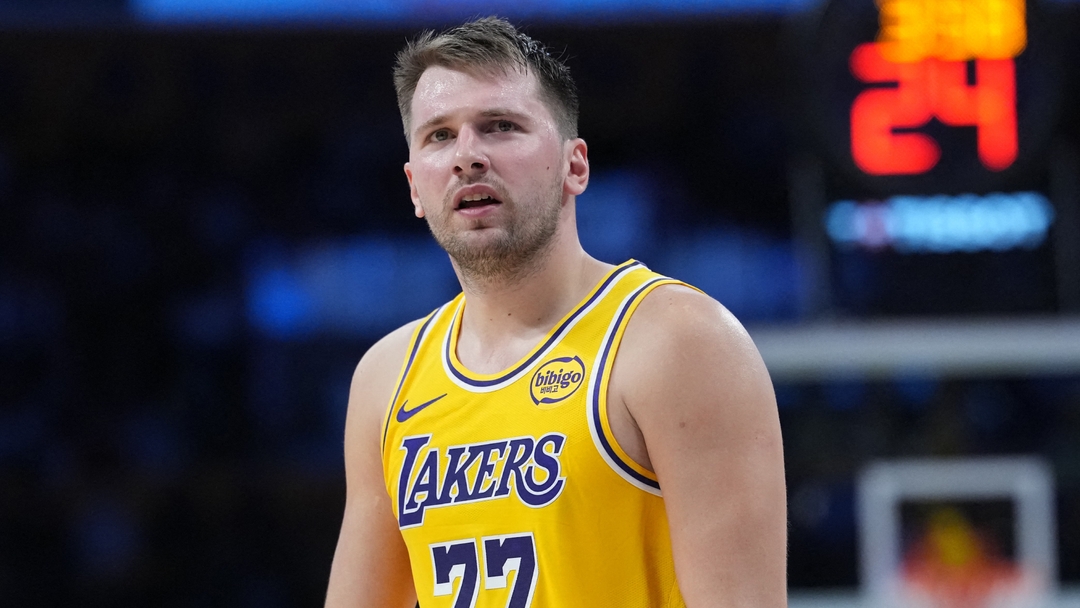
In a league increasingly defined by strategic rest, advanced analytics, and the careful preservation of superstar bodies, a single, seemingly casual line dropped during a relaxed interview has ripped open the NBA’s most profound cultural divide. When Luka Dončić sat down with rap icon Snoop Dogg, he was asked about playing with the great LeBron James. Dončić, with a laugh that felt more like a chilling prophecy, acknowledged LeBron’s incredible 23 seasons of sustained dominance before delivering the line that exposed everything: “I might not be able to walk no more at 23 seasons.”
That wasn’t a joke. It was a declaration of war against the modern NBA philosophy. It was a 25-year-old superstar choosing his legacy blueprint—and it’s the complete opposite of the approach that has defined the last decade. Luka’s comment wasn’t a dig at LeBron; it was a candid, painful recognition of the price he is already paying and is prepared to continue paying to achieve what he truly wants: Championships over everything else.

This singular moment crystallizes the two conflicting paths to immortality in basketball: the path of Longevity—mastered by LeBron James—and the path of Sacrifice—the code written by Michael Jordan and embodied by Kobe Bryant. And in choosing the latter, Dončić has signaled that he is willing to destroy his body for the chance to seize a dynasty.
The True Blueprint: Many Rings vs. A Championship
To fully understand the weight of Luka’s choice, one only had to listen to his language when Snoop Dogg pivoted the conversation to the history of championships in Los Angeles. When asked about being on a mission for a ring in a building rich with Lakers lore, Luka didn’t mince words about his heroes. “Kobe brought so many championships here, you know LeBron brought a championship here.”
The word choice matters immensely. Kobe brought many. LeBron brought a championship. This is Luka telling the world, without saying it directly, who his true blueprint is. He is looking at the man whose legacy is measured in a mountain of hardware—five rings forged in grit, sacrifice, and pure, unadulterated will. He is looking at the man who would tear his Achilles at age 34 and still come back to finish the free throws, a man who played through pain that would sideline most of today’s stars for weeks.
The old school approach, the ‘Kobe Code’ or ‘Mamba Mentality,’ is simple: You play every single game like it’s your last. You play through injuries. You sacrifice your physical well-being completely for the team and the championship goal. This approach, historically, wins more rings, but it comes with a steep, unavoidable consequence: it destroys you physically.
Consider the data. Michael Jordan played 15 seasons and walked away with six rings, his knees shot, his tank empty from unrelenting competitive fire. Kobe Bryant played 20 seasons, his final years a painful showcase of a body ravaged by war, but he left with five championship rings.
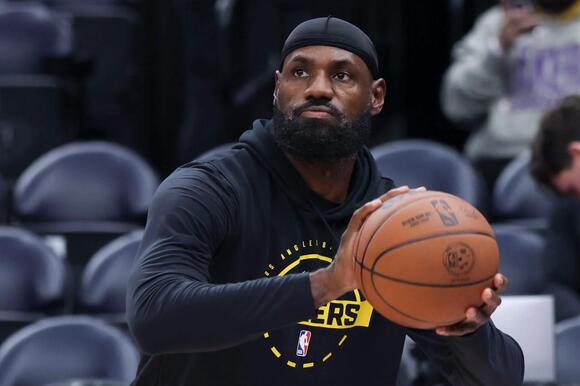
Now, compare this to the modern master of longevity, LeBron James. He is currently in Year 23, his body in miraculous shape for his age. He is set to own every longevity record: most games, most minutes, most points. His strategic preservation, load management, and calculated rest have allowed him to compete at an elite level across three decades. The outcome? Four championship rings through 23 seasons, playing with multiple All-Stars and super teams.
This forces the uncomfortable question that the NBA media machine often avoids: What is truly the greater feat? Playing more years, or winning more championships?
The MVP Sacrifice: Proof of the Code
Luka Dončić hasn’t just talked the talk; his actions this season provide the most compelling, painful evidence that he is on the Kobe path. This year, Dončić missed 18 games. That may sound concerning until you look closer: Zero of those missed games were due to load management. Zero were for pre-scheduled rest days. Every single absence was the result of legitimate, grinding injuries—a calf strain, a persistent knee issue—that his body forced upon him because he refused to sit down.
In a stunning act of commitment, Luka played so hard, through so much physical duress, that his body finally broke down enough to force him past the new 65-game threshold required for MVP eligibility. He willingly sacrificed his MVP candidacy because he refused to sit out games when his team needed him. He literally lost a chance at the game’s highest individual honor because he was too committed to playing.
Contrast this, yet again, with the longevity king. LeBron James has mastered the art of managing his body to ensure he always hits those game thresholds. He is strategic, meticulous, and focused on preservation. He avoids the risk of MVP ineligibility by playing smart, not necessarily playing hurt. But Luka? He played so hard that he physically couldn’t play anymore, and even then, he rushed back into the fire. This is the Mamba Mentality in its purest form: caring more about being present for every single battle than preserving yourself for the long war.
The debate becomes clear: The Longevity approach provides more chances at a championship, but the Sacrifice approach converts those chances at a higher rate.
The Cultural Conundrum: Toughness vs. Strategy
The choice Dončić is making is not just physical; it is cultural. The video’s narrative suggests that the era in which a player competes defines the mentality they must adopt. In the 1990s and 2000s, sitting out while not seriously injured was seen as ‘soft’—a challenge to one’s competitive pride. Fast forward to the 2010s and 2020s, and failing to manage your body strategically is called ‘stupid’ or ‘shortsighted.’ The culture flipped.
But which culture produces true killers? Which mentality breeds the mythological figures of the sport?
Look at the team culture created by the two approaches. When Kobe Bryant’s teammates watched him drag his body up and down the court on one leg, refusing to take a night off, it set an undeniable standard. It built a culture of expectation where nobody else could complain about being tired. It created a team that would run through walls for their leader.
Conversely, what message is sent when the best player sits out a back-to-back game when he is otherwise healthy? It’s a message of self-preservation, which, while logical, is not the fuel that builds a dynasty. As the video contends, the legendary dynasties of the 90s (Bulls, 6 rings) and 2000s (Lakers, 5 rings with Kobe) were built on the refusal to sit, the commitment to the show, and the constant presence of their superstar.
The Ticking Clock and The Lakers’ Narrow Window
For Lakers fans, the team’s trade for Dončić (as posited in the video’s narrative) immediately places them on a high-stakes timeline. Dončić is 25 and already on a collision course with his own body due to his playing style. He is prioritizing winning over preservation. If he truly follows the Kobe blueprint, his body’s expiration date is likely in his mid-30s—Kobe’s body started to betray him around age 34.
This means the Lakers’ championship window with Luka is intense, short, and bright—maybe a decade, maximum—a “burn bright and fast” partnership, not a 15-year marathon. It demands immediate conversion of opportunity. It requires the urgency of a player who knows he has to win right now, before the wear and tear takes its final toll.
Maybe that’s exactly what Los Angeles wants. Maybe after years of seeing the strategic, managed approach, fans crave the raw, all-in intensity of a superstar who is willing to leave everything on the hardwood. They want someone who will rebuild that Mamba mentality culture, refusing to load manage and playing through the unbearable to reach the promised land.
Luka Dončić has made his choice. When he looked at LeBron’s 23 seasons and joked about not being able to walk, he wasn’t being flippant; he was affirming his dedication to a painful reality. The Kobe Way will destroy his body by his mid-30s, but it is the same way that historically brought five championships to LA, and six to Chicago. In the end, both paths lead to greatness, but they define it differently. Luka has chosen the definition measured in banners, and for any fan chasing a dynasty, that’s the only path that matters.