LOS ANGELES — The atmosphere inside Crypto.com Arena is usually electric, a cathedral of basketball where legends are made and dynasties are celebrated. But on the night of December 1, 2025, the electricity turned into a volatile static, a tension so thick it suffocated the home crowd. The Phoenix Suns didn’t just defeat the Los Angeles Lakers 125-108; they dismantled the aura of invincibility surrounding the purple and gold. And at the epicenter of this seismic event stood the NBA’s self-proclaimed villain, Dillon Brooks, who didn’t just poke the bear—he conquered it.
The Night the King Was Dethroned?
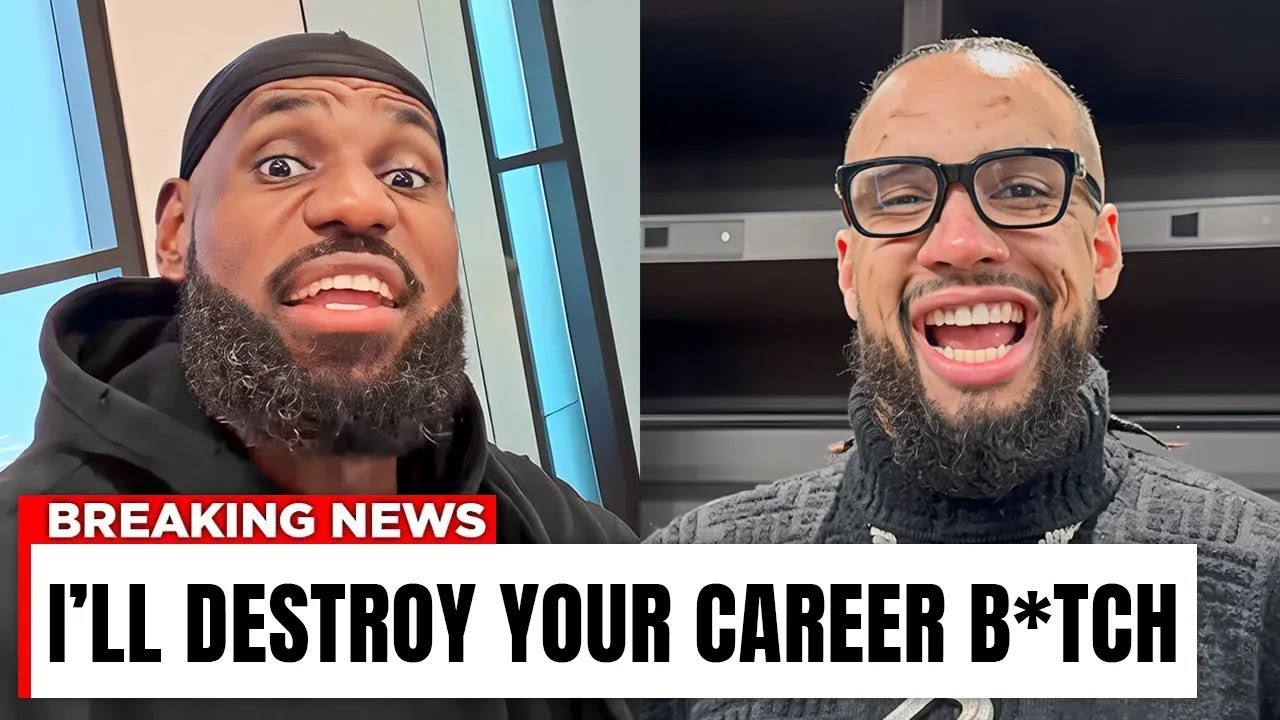
It was supposed to be a routine evening. The Lakers were riding high on a seven-game winning streak, and LeBron James, now 41, was returning from a brief absence due to managing sciatica. But what unfolded was a nightmare scenario for Los Angeles and a dream performance for Brooks. The Suns’ forward, who joined the team in July via a sign-and-trade, erupted for 33 points, torching the Lakers defense with an efficiency that silenced his critics.
However, the story wasn’t just about the score. It was about the psychological warfare waged on the court. Brooks, who has made a career out of antagonizing superstars, seemed to have entered the game with a specific script in mind. He wasn’t there to just play basketball; he was there to make a statement.
The Mockery Heard ‘Round the World
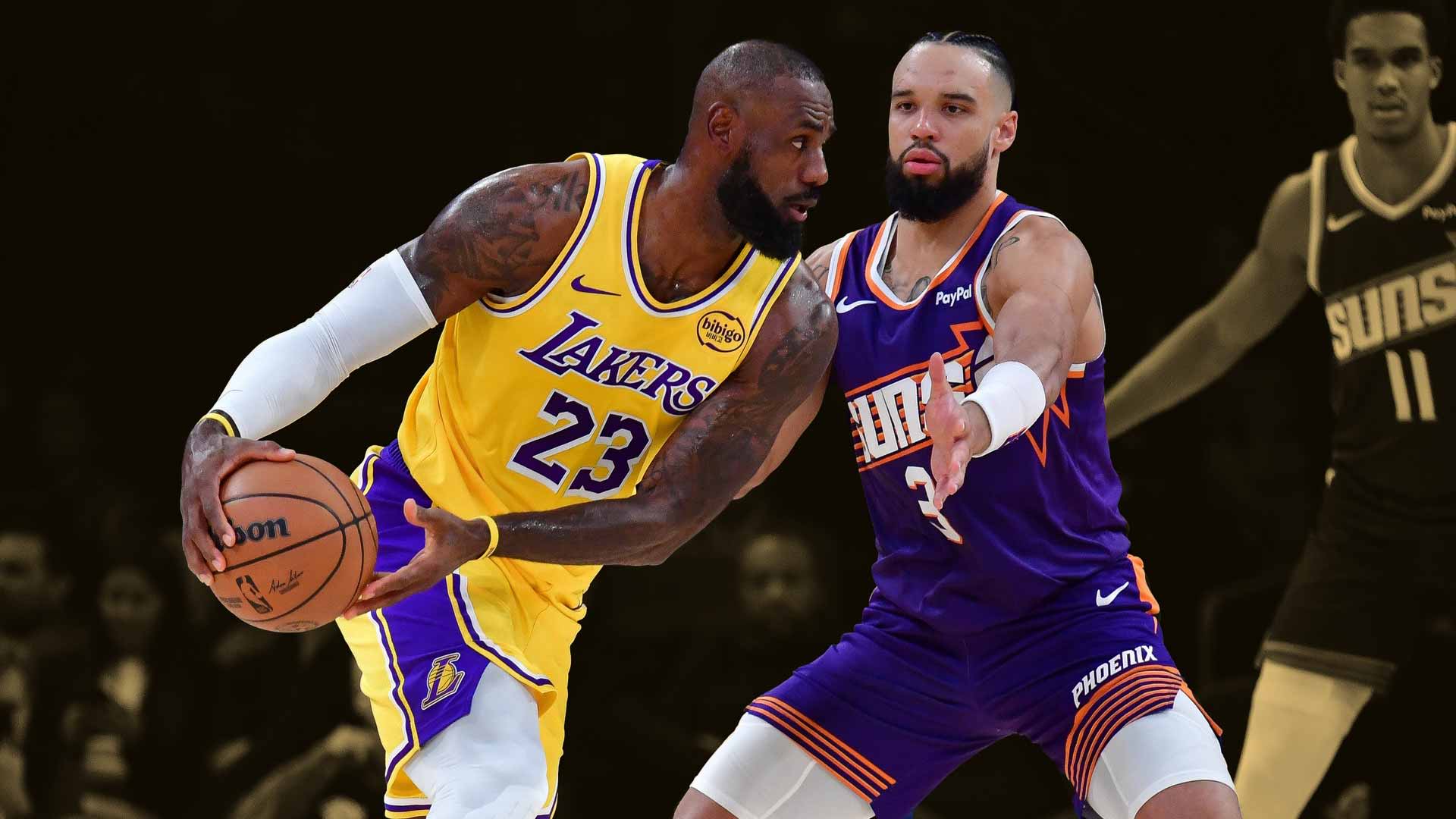
The defining moment of the game—and perhaps the season for this rivalry—arrived in the second quarter. With the Lakers trying to find their rhythm, LeBron James attempted an entry pass to Luka Dončić. Brooks, reading the play with predatory instinct, jumped the lane, stole the ball, and raced down the court.
What happened next was pure theater. Brooks elevated for a thunderous two-handed dunk, but he didn’t stop there. Landing with a swagger that sucked the air out of the building, he locked eyes with James and performed an exaggerated version of LeBron’s own signature “shoulder shrug” celebration. He puffed his chest, flexed, and rolled his shoulders in a grotesque mimicry of the King.
It was a moment of supreme disrespect, a direct challenge to the hierarchy of the league. The Suns’ bench erupted. Even the injured Devin Booker was on his feet. Brooks had turned the Crypto.com Arena into his own personal stage, and the message was clear: “I am not afraid of you.”

The Confrontation: Giggles and Rage
If the dunk was the spark, the third quarter was the explosion. With the Suns nursing a massive lead, the game ground to a halt during a timeout. LeBron, perhaps trying to lighten the mood or show unbothered confidence, was seen sharing a laugh with Suns guard Jordan Goodwin and nodding at Booker.
To Dillon Brooks, this was unacceptable.
“I don’t really like the smiling and the giggling and all that,” Brooks later told reporters, his face a mask of intensity. “I’m a competitor.”
Brooks began barking across the court, his words cutting through the arena noise. Lip readers later deciphered his taunts: “What you laughing at? Keep that energy.” The effect on James was immediate. The smile vanished. The 22-year veteran, usually so composed, pivoted and marched toward the Suns’ huddle, gesturing emphatically.
The scene was chaotic. Lakers coach JJ Redick was visibly furious on the sideline, screaming to get his star player’s attention. But LeBron was too hooked, too drawn into Brooks’ web of agitation. Redick was forced to burn a timeout just to break the trance, a moment that highlighted a worrying disconnect. For a few minutes, the greatest scorer in NBA history wasn’t playing basketball; he was playing Dillon Brooks’ game, and he was losing.
A History of Bad Blood
To understand the ferocity of this night, one must look back at the trail of wreckage these two have left behind. This feud didn’t start in 2025. It traces its roots back to the 2023 playoffs, when a brash Brooks, then with the Memphis Grizzlies, called LeBron “old” and claimed he didn’t respect anyone until they dropped 40 on him.
James responded then by eliminating the Grizzlies in six games. But the animosity only grew. From a flagrant foul that broke LeBron’s nose in 2024 to endless trash talk in the press, Brooks has relentlessly targeted James. He has cast himself as the necessary evil, the man willing to do the dirty work.
“I play the villain because someone has to,” Brooks once famously said. On this night in Los Angeles, he played the role to perfection. He held James to a mere 10 points on 3-of-10 shooting—LeBron’s worst statistical output in recent memory.
The Bronny Factor and the “Dad Mode” Response
As if the night couldn’t get more personal, the fourth quarter saw Brooks isolate against Bronny James, LeBron’s son. In what was clearly a calculated move to cap off his dominance, Brooks tried to back down the younger James. But Bronny held his ground, forcing Brooks into an awkward spin that resulted in a travel violation.
The cameras instantly cut to the Lakers bench. LeBron, having finally checked out of the game, raised his hand and delivered a savage “thumbs down” gesture, reminiscent of a Roman Emperor condemning a gladiator. It was a brief moment of victory for the James family, a viral clip that fans clung to as a moral win. But deep down, everyone knew the scoreboard told a different truth.
Stat-Padding Accusations and the Decline
The aftermath of the game has sparked uncomfortable conversations about LeBron James’ longevity. With the Lakers down by over 20 points late in the game, James remained on the floor. Analysts and fans alike pointed out that he was sitting on six points—dangerously close to snapping his legendary streak of 1,297 consecutive games with double-digit scoring.
He stayed in until he hit a three-pointer to reach 10 points, then immediately subbed out. Critics labeled it “stat-padding,” a desperate attempt to preserve a personal record in the face of a humiliating team loss. Former player Chandler Parsons noted, “LeBron didn’t look like himself… it felt like catering to his legacy instead of focusing on the season.”
It raises the question: Is the age gap finally becoming insurmountable? Brooks, in his physical prime, looked faster, stronger, and hungrier. James, for all his greatness, looked 41.
The Villain the League Needs?
Despite the hate from Lakers nation, there is a growing sentiment that the NBA needs Dillon Brooks. In an era of friendly rivalries and jersey swaps, Brooks brings a genuine animosity that makes the games feel consequential. Viewership for the game spiked 22% on TNT. “We need more villains” trended on social media.
Brooks backs up his talk. He defends the best players, he hits clutch shots, and he refuses to back down. “I don’t bow down to him or anybody else,” Brooks stated post-game. It’s a mentality that harkens back to the 90s, a time when hatred on the court was real and visceral.
The Road Ahead
The Lakers and Suns won’t meet again until March 13, 2026, in Phoenix. That date is now circled in red on every NBA calendar. The Lakers have serious soul-searching to do. Their defense looked porous, their offense disjointed, and their leader distracted.
For Dillon Brooks, this was a crowning achievement in his villain arc. He walked into the lion’s den, slapped the lion, and walked out with a victory. But as history has shown, you can only poke the bear so many times before it mauls you. LeBron James has spent two decades answering his critics. The world will be watching to see if the King has one more counterpunch left, or if the Villain has finally taken the throne for good.