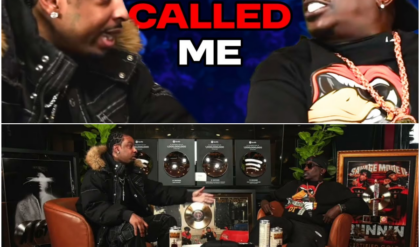
In the ever-evolving landscape of the music industry, few figures possess the business acumen and unfiltered perspective of Curtis “50 Cent” Jackson. A multi-platinum artist, actor, and shrewd entrepreneur, 50 Cent has consistently demonstrated an uncanny ability to navigate and profit from the seismic shifts within entertainment. Now, he’s delivering a stark, unvarnished truth that challenges the very foundation of how artists earn their living: “Nobody buying no album.”
This bold declaration, delivered with 50 Cent’s signature blend of confidence and blunt honesty, cuts to the core of a generational and technological divide in the music business. He contends that the era of album sales as the primary revenue stream for artists is over, replaced by the relentless grind of touring and the lucrative market of merchandise. This isn’t just a casual observation; it’s a profound re-evaluation of artist economics that has significant implications for both established stars and emerging talents.
The Death of the Album: A Generational Divide
“The album is a dinosaur,” 50 Cent asserts, echoing a sentiment that many artists and industry insiders have whispered for years. He explains that the younger generation, raised on streaming platforms and a culture of instant gratification, simply doesn’t engage with music in the same way previous generations did. “They download it, they keep it… they don’t purchase it,” he notes, highlighting the shift from ownership to access.
This isn’t to say that physical albums or even digital purchases are entirely extinct, but their financial significance has plummeted. For artists, the expectation of selling millions of units to generate substantial income has largely vanished. The emotional connection to owning a physical piece of art, complete with liner notes and elaborate packaging, has been supplanted by the convenience and vast libraries offered by services like Spotify and Apple Music.
50 Cent argues that older industry figures, particularly record label executives, are struggling to grasp this fundamental change. “You gotta understand, the generation ahead of us, they don’t understand that,” he explains. Their business models, built on a bygone era of physical distribution and retail dominance, are increasingly out of step with how music is consumed today. This disconnect creates tension, as labels continue to push traditional album cycles while artists are forced to adapt to a new economic reality.
The Rise of the Road Warrior: Touring as the New Cornerstone
If the album is dead, what has taken its place? According to 50 Cent, the answer is unequivocally “Touring.” For contemporary artists, live performances have become the most reliable and lucrative source of income. “When you hear they say, ‘He got number one,’ I’m like, ‘What that mean?’” 50 Cent quips, challenging the perceived value of chart positions in an age where streaming metrics often don’t translate directly into significant artist revenue.
He elaborates that the real money is made “from shows, the touring.” This means artists are spending more time on the road, traveling from city to city, connecting with fans in person. The energy, the direct engagement, and the exclusive experience of a live concert are things that cannot be replicated by streaming. Fans are willing to pay premium prices for tickets, VIP packages, and the opportunity to see their favorite artists perform.
This shift transforms artists into road warriors, constantly in motion. While creatively fulfilling for some, it can also be physically and mentally draining. The romanticized image of a musician making a living solely from their recordings is increasingly a myth; the reality is often a relentless schedule of travel, soundchecks, and performances.
Merchandise: The Undisputed King of Ancillary Revenue
Beyond touring, 50 Cent emphasizes the monumental importance of merchandise. “The merch is killing everything,” he declares, highlighting how branded clothing, accessories, and other items have become a goldmine for artists. From T-shirts and hoodies to limited-edition collectibles, merchandise offers a direct and highly profitable revenue stream.
The beauty of merchandise is its direct connection to fan loyalty and identity. Wearing an artist’s merch isn’t just about supporting them; it’s about expressing an allegiance, becoming part of a community. Artists like Travis Scott have mastered this, turning concert merch into highly sought-after fashion statements that sell out almost instantly.
The profit margins on merchandise are also significantly higher for artists compared to album sales, especially after record labels take their cut. When an artist sells a T-shirt directly to a fan, a much larger percentage of that sale goes into their pocket. This financial independence is a powerful motivator for artists to invest heavily in developing strong merchandise lines and direct-to-consumer sales channels.
The Label Dilemma: Holding onto the Past
50 Cent’s insights expose a critical tension between artists and record labels. Labels, historically built on the model of selling recorded music, are struggling to adapt to this new reality. “The record companies, they don’t even know what to do,” he observes. Their contracts, their revenue splits, and their entire operational structure are often still geared towards a physical sales paradigm.
This creates a disadvantage for artists, who may be signed to deals that heavily favor album sales, even when those sales are no longer the primary income generator. Labels might still demand a significant percentage of streaming royalties, which, individually, are minuscule compared to the revenue generated from a successful tour or merchandise line.
The struggle for control is evident. Labels want to maintain their leverage by controlling the masters and the distribution of recorded music, but artists are increasingly finding financial freedom through alternative means. “They really don’t know what to do,” 50 Cent reiterates, painting a picture of an industry grappling with its own obsolescence.
A Call for Entrepreneurial Spirit
For 50 Cent, this shift isn’t just a lament; it’s a call to action for artists to be more entrepreneurial. He himself is a master of diversification, having built an empire that extends far beyond music into television, film, spirits, and more. He understands that simply releasing music is no longer enough to guarantee sustained financial success.
Artists, particularly younger ones, need to think beyond the traditional album cycle. They must cultivate strong personal brands, engage directly with their fan bases, and explore multiple revenue streams. This means investing in their live show, designing compelling merchandise, and even looking into ventures outside of music to build lasting wealth.
50 Cent’s provocative statement, “Nobody buying no album,” isn’t meant to diminish the artistic value of recorded music. Instead, it serves as a wake-up call, a stark reminder that the financial engine of the music industry has fundamentally changed. The power has shifted from the studio to the stage, from the CD rack to the tour bus, and from the streaming platform to the merch table. For artists looking to thrive in this new landscape, understanding this transformation isn’t just important—it’s essential for survival.
The industry is in a perpetual state of flux, and 50 Cent, ever the savvy businessman, is simply articulating the uncomfortable truth that many are reluctant to acknowledge. The album may be dead as a primary moneymaker, but the entrepreneurial spirit of the artist is very much alive, finding new ways to connect and prosper in a world where creativity and commerce are constantly redefining their boundaries.