In the current affairs landscape of December 2025, a complex and morally challenging narrative is unfolding across the United States, centered on an aggressive new push in immigration enforcement that is rapidly eroding human rights safeguards. As the Trump administration ramps up its mass deportation campaign, deploying federal border patrol agents into American cities and making overtly racist statements about targeted communities, the resulting humanitarian fallout is reaching a critical point, characterized by systemic cruelty in detention facilities and the tragic separation of families.
The scale of the operation is immense. In New Orleans, the deployment of federal border patrol agents for “Operation Kadahula Crunch” signals a deliberate escalation, with officials seen patrolling areas like the French Quarter and making arrests in the open. This mirrors a parallel mass arrest campaign that has swept through Somali American communities in the Minneapolis-St. Paul region of Minnesota. This intensified enforcement is taking place in the shadow of President Trump’s recent inflammatory rhetoric, where he publicly referred to Somalis as “garbage” at a cabinet meeting and doubled down on the racist sentiment shortly after, providing a grim backdrop that suggests not just enforcement, but punitive, targeted action. The government aims to apprehend thousands, yet the human cost of this quota-driven campaign is proving unbearable and, in some cases, utterly unthinkable.
The Vanishing: A Six-Year-Old Lost in the System
Perhaps the most heart-wrenching detail to emerge from the recent crackdown is the case of Juan Shin, a six-year-old Chinese American boy, and his father, Fay, arrested by ICE agents during a routine check-in in Manhattan. In a scenario that shatters the facade of a predictable justice process, the father was separated from his little boy and taken to an ICE jail in upstate New York. The subsequent tragedy is a chilling indictment of the system’s capacity for carelessness and cruelty: advocates publicly contend that nobody knows where six-year-old Juan Shin is being held.
This single incident—a child vanishing into the bureaucratic machinery of the state—highlights a severe crisis in accountability. According to the deportation data project, Juan Shin is one of a growing number, with ICE having arrested 151 children this year alone. The lack of transparency and the inability of advocates and lawyers to track the whereabouts of children following an arrest, particularly in cases involving bureaucratic separation, paints a picture of a system that has become dangerously overzealous and deeply inhumane. The pain of Fay, detained and unsure of his son’s fate, represents the immense emotional devastation being inflicted upon thousands of families caught in this dragnet.
Shackles and Solitary: Cruelty Against the Most Vulnerable
The abuses extend far beyond separation, encompassing a systemic failure to protect the most vulnerable individuals in custody: pregnant, postpartum, and nursing mothers. Despite an official ICE policy suggesting agents should not detain, arrest, or hold these vulnerable groups, reports show that pregnant people are being increasingly rounded up, deported, and detained, often facing conditions that defy basic medical ethics.
The American Civil Liberties Union (ACLU) has documented over a dozen specific cases that read like dispatches from a human rights crisis zone. At the Stewart Detention Center in Lumpkin, Georgia, and the ICE Processing Center in Louisiana, pregnant women were housed without proper medical care. The details are horrifying: in one documented instance, a woman was shackled while she suffered a miscarriage. In another, a woman with a high-risk pregnancy was placed in solitary confinement, a practice known to cause severe psychological distress and further endanger a vulnerable patient.
These are not lapses in judgment; they are documented instances of institutionalized cruelty, where essential human decency is sacrificed to the mechanics of enforcement. Medical neglect in detention, especially for high-risk pregnancies, constitutes a severe violation of human rights and exposes the callous disregard within the system for the sanctity of life and the health of those in its custody. The use of shackles during a medical emergency like a miscarriage serves as a shocking, visceral emblem of the inhumanity that has taken root within these facilities.
Inside ‘Alligator Alcatraz’: Unsanitary Horror and Dehumanization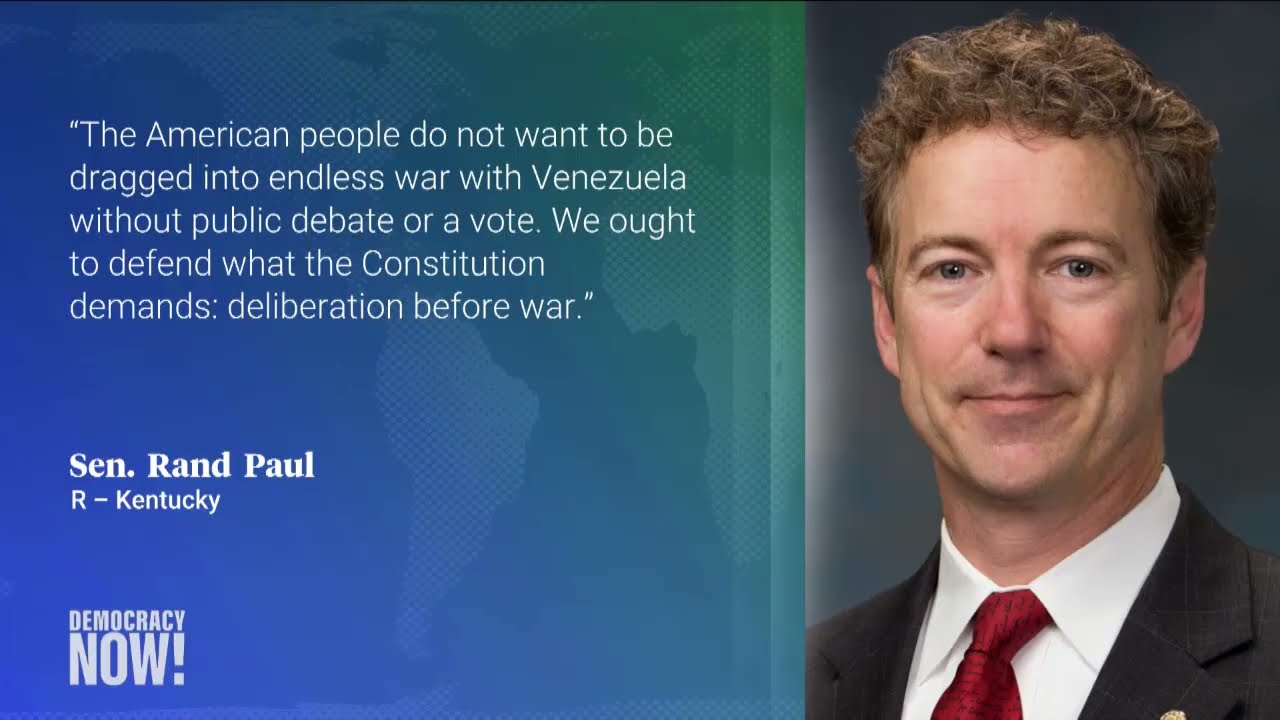
Further galvanizing the outrage is a new report by Amnesty International detailing the truly barbaric conditions at an ICE jail in Florida, notoriously dubbed “Alligator Alcatraz.” The findings reveal an environment of deliberate dehumanization and squalor that rivals descriptions of penal colonies rather than modern detention centers.
The report meticulously details the appalling conditions:
-
Physical Confinement: Immigrants were shackled and left inside metal cages, sometimes only two feet high, and left outside without water for up to a full day at a time. The image of a human being confined to such a small space under the elements is profoundly disturbing and speaks to a policy of reducing people to the level of captive animals.
-
Epidemic-Level Filth: The report details “unsanitary conditions” including overflowing toilets with fecal matter seeping into areas where people are sleeping. This level of filth not only violates every public health standard but represents a fundamental attack on human dignity.
-
Systemic Deprivation: Detainees faced limited access to showers, exposure to insects without protective measures, poor quality food and water, and a complete lack of privacy. Lights were left on 24 hours a day, a psychological torture tactic designed to disrupt sleep and induce exhaustion.
The term “Alligator Alcatraz” is tragically fitting, summarizing a reality where detainees are subjected to conditions that actively threaten their health and sanity. The revelation of these sites of suffering provides concrete evidence that the current enforcement regime is not merely about border control or legal processing; it is about creating an environment of fear and punishment designed to break the spirits of those held within. The Amnesty International report confirms that the violations are not isolated, but rather part of a documented, systematic pattern across multiple facilities.
Global Headlines and Domestic Disregard
The focus on the humanitarian crisis in the U.S. comes amid a swirl of other critical world events reported globally, which provides a stark contrast to the domestic disregard for human life. While a bipartisan group of senators seeks to block unilateral military action in Venezuela, and President Maduro hints at an opening for diplomacy, and while the New York Times battles the Pentagon over First Amendment rights, the crisis of conscience in the detention system rages unchecked. The world watches Israel’s latest violation of a ceasefire in Gaza, where seven more Palestinians, including five members of a single family, were killed in a declared “safe area,” prompting acts of defiance like the mass wedding in Khan Younis. Yet, the same level of global scrutiny often fails to land with necessary force on the human rights violations occurring within America’s own borders.
Meanwhile, other headlines underscore a sense of pervasive political corruption and ethical decay. The scandal involving Defense Secretary Pete Hegsth, who used the widely available social media app Signal—including a chat with his wife and brother—to discuss sensitive U.S. air strikes in Yemen, raises serious questions about national security and accountability, especially given his subsequent refusal to cooperate with the Inspector General. Further, the news of President Trump granting full and unconditional pardons to Democratic Congress member Henry Quayar and his wife, who faced a dozen charges of bribery and money laundering involving a Mexican bank and a foreign oil company, following Quayar’s vocal support for the president’s anti-immigration stance, solidifies the perception of a transactional and morally compromised political climate.
The Moral Imperative
The confluence of mass arrests, racist political rhetoric, and documented horrors in detention centers presents a profound moral crisis. The stories of Juan Shin, the shackled pregnant women, and the detainees of “Alligator Alcatraz” must be seen not as isolated tragic incidents, but as the inevitable human outcome of policies prioritizing fear and punishment over due process and basic dignity. The sheer number of children arrested this year underscores the fact that the state is actively disrupting families and creating trauma that will last for generations.
The pursuit of justice for survivors of these systemic abuses is now inextricably linked to the fight for public transparency and a restoration of human rights principles within the immigration apparatus. The nation is being forced to confront the dark corners of its own enforcement system, challenging citizens and lawmakers alike to recognize the full scope of the tragedy and demand accountability for the cruelty being committed in the nation’s name. The question is no longer if the system is broken, but how long the country will tolerate a status quo that allows a six-year-old to disappear and women in medical distress to be treated as less than human. The time for a reckoning with the moral catastrophe within America’s borders is long overdue.