Pulitzer, Feud, and the First Amendment: Inside Kendrick Lamar’s Shocking Rise to Hip-Hop’s Untouchable Conscience
The story of Kendrick Lamar Duckworth is not merely a biography of a rapper; it is an epic of American art, a cinematic tale of a shy kid from one of the country’s most volatile zip codes who conquered the global stage, only to turn around and challenge the very culture that adored him. He is the first rapper to win a Pulitzer Prize for music, the artist who headlined the Super Bowl LIX halftime show, and, most recently, the victor in a historic court battle that reaffirmed the First Amendment protection for artistic expression in hip-hop. Kendrick Lamar didn’t just survive Compton; he transcended it, without ever forgetting the essential chaos that forged his genius.
Born on June 17, 1987, in Compton, California, Kendrick entered a world where the sound of gunshots often served as the neighborhood’s lullaby. His parents, seeking a better life, had moved from Chicago’s Southside only to land in another war zone. Yet, they brought with them the crucial elements of hope, discipline, and the understanding that education and creativity were the only viable exit strategies. Kendrick was quiet, intensely observant—the kid who filed away every image, every conversation, and every moment of violence and beauty, all of which would later become the raw material for his celebrated musical catalog.
A pivotal moment arrived when he was just eight years old: watching Tupac Shakur and Dr. Dre film the iconic “California Love” video in his neighborhood. That moment planted a crucial seed: if they could escape through music, perhaps he could too. Named after Eddie Kendricks of The Temptations, music was always in his DNA, but his entry point was language. At Centennial High School, he was not the athlete or the class clown; he was the quiet one with a notebook, always writing, always observing, understanding that words were power.
From K. Dot to Cultural Therap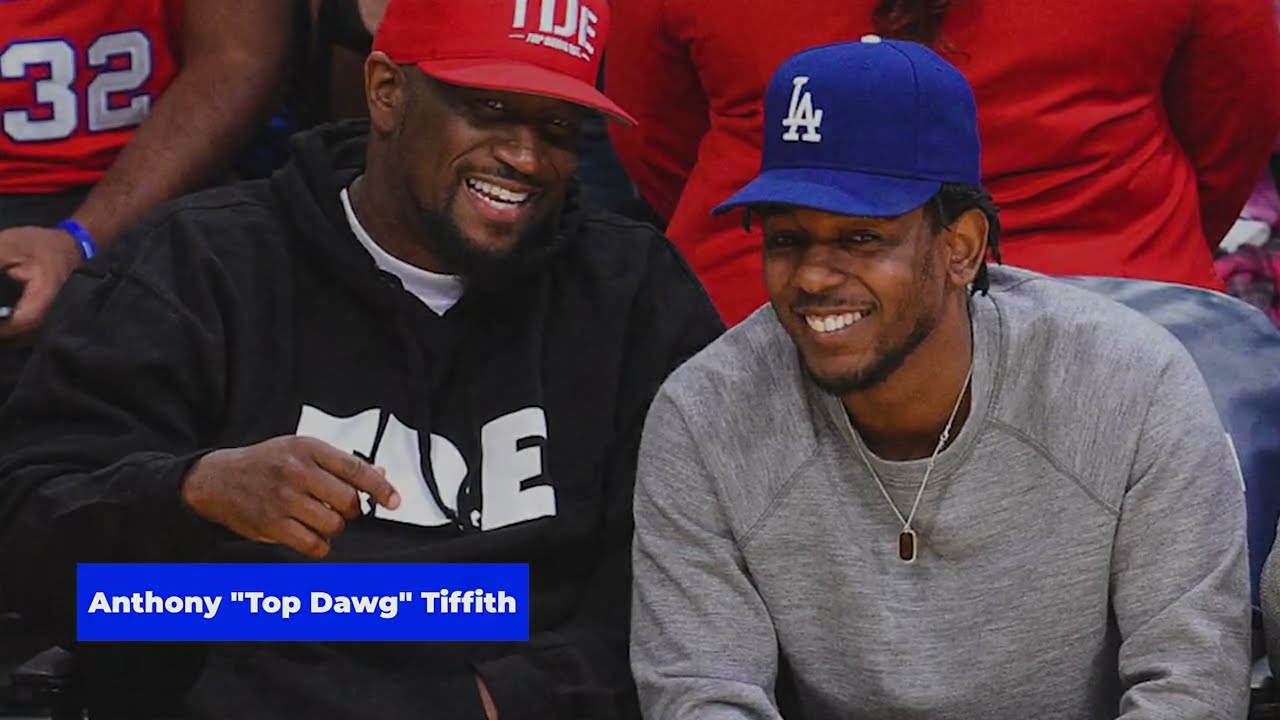
Kendrick’s professional journey began in the underground. Releasing his first mixtape, Youngest Head Nigga in Charge, at 16 under the moniker K. Dot, he caught the attention of local producer Anthony “Top Dog” Tiff. Top Dog didn’t just sign him to Top Dawg Entertainment (TDE); he recognized and protected the genius within the shy demeanor, investing in Kendrick when no one else would. Following his first official release, Overly Dedicated in 2009, his true arrival came in 2011 with the independent album Section.80. It wasn’t just rap; it was social commentary, generational therapy, and street journalism wrapped in complex wordplay.
The buzz was loud enough to catch the ear of Dr. Dre, the West Coast’s ultimate gatekeeper. The co-sign from the man who discovered Snoop Dogg and Eminem meant everything. In October 2012, Kendrick, signing to Aftermath Entertainment and Interscope Records while maintaining a rarity of creative control, released Good Kid, M.A.A.D City. The hip-hop world was never the same. It was a cinematic masterpiece, a concept album that played like a Martin Scorsese film set in Compton, detailing the life of a good kid trying to survive a mad city. Hits like “Swimming Pools (Drank)” became radio anthems despite being an anti-drinking cautionary tale, showcasing his ability to craft commercial success without compromising his message.
But Good Kid was only the prelude. In March 2015, Kendrick released To Pimp a Butterfly, an album so complex, jazz-influenced, and politically charged that it elevated him out of the rap conversation and into the realm of high art. Featuring live instrumentation from legends like Kamasi Washington and Thundercat, the album’s emotional centerpiece, “Alright,” became the defiant, unifying anthem of the Black Lives Matter movement. It was a dense, challenging, and profoundly therapeutic work that critics universally hailed as a masterpiece, cementing his role as hip-hop’s intellectual conscience. It debuted at number one, sold over a million copies, and earned him five Grammy Awards.
The Weight of a Generation and the Pulitzer Shock
Yet, the success brought new, crippling pressures. The weight of being called “the voice of a generation” when he was still struggling to figure out himself, the inability to save family members still trapped in street life, and the loss of close friends while he was on tour all contributed to a severe battle with depression. He poured all this pain into his music, using his art as a confession and a way to process trauma he couldn’t escape.
In 2017, he released Damn., a slightly more accessible but equally brilliant album that yielded cultural phenomena like “Humble” and “DNA.” It sold over three million copies and earned him five more Grammy Awards. But the real shock came in April 2018 when Kendrick Lamar achieved the unimaginable: he became the first non-classical and non-jazz artist to win the Pulitzer Prize for Music. The board cited Damn. for its “vernacular authenticity and rhythmic dynamism that offers affecting vignettes capturing the complexity of modern African-American life.” Hip-hop, through the efforts of a former K. Dot from Compton, had finally arrived at the highest level of American artistic recognition. His lyrics began being studied in universities like literature, making him the most influential poet of his time.
The Controversies and the Legal War of 2024
Kendrick’s role as a conscience was not without controversy. In 2022, his album Mr. Morale and the Big Steppers became part therapy session, part cultural critique, and part family photo album. One track, “Auntie Diaries,” sparked massive debate. Intended to show his evolution from ignorance to acceptance regarding his trans relatives, the song’s use of offensive language was deemed harmful by some within the LGBTQ+ community. Regardless of his intent to depict real growth and conversations, the damage was done, highlighting the immense tension between artistic expression and social responsibility that comes with his stature.
However, no controversy compared to the seismic event that occurred in 2024: the nuclear escalation of his simmering tension with Drake. What began as coded references and subliminal shots exploded into an all-out lyrical war. Following a brief appearance and swift retreat by J. Cole, Kendrick unleashed a flurry of diss tracks, including “Euphoria,” “Meet the Grahams,” and, most devastatingly, “Not Like Us.” The latter was an infectious, scorching West Coast anthem that became the unofficial song of the summer, dominating clubs and streaming charts worldwide while accusing his rival of serious misconduct and questioning his authenticity.
Drake’s reaction was unprecedented. He didn’t just respond with music; he responded with a lawsuit. He sued Universal Music Group for defamation, claiming the lyrics damaged his reputation and that the corporation had promoted a song containing false allegations. The move was an attempt to weaponize the legal system against artistic freedom.
But in August 2024, the judge delivered a monumental verdict. Drake’s lawsuit was dismissed, with the judge ruling that Kendrick’s lyrics were protected as opinion and artistic expression under the First Amendment. Kendrick Lamar won not just the rap battle, but the war, setting a crucial legal precedent that safeguarded diss tracks and raw artistic honesty from being silenced by corporate power. It was a victory for the entire hip-hop culture, proving that you simply cannot sue greatness into submission.
The Untouchable Legacy
By late 2024, Kendrick Lamar was untouchable. His rival had sued and lost, his music was curriculum, and his influence was undeniable. When the NFL called, asking him to headline Super Bowl 59 in New Orleans on February 9, 2025, there was only one answer. Taking the stage in the Superdome with 80,000 people in attendance and 135 million watching globally, he delivered a career-spanning performance that critics immediately hailed as one of the greatest halftime shows in history. It was a statement: the same artist conservatives had criticized and Drake had tried to sue had just unified the entire country for 13 minutes through pure, uncompromising artistry.
At 37 years old, Kendrick continues to evolve. He is currently working on new music under his own multimedia company, PGLANG, which he founded with longtime collaborator Dave Free. PGLANG is focused on music, film, fashion, and books, granting Kendrick complete creative control over every aspect of his artistry and ensuring his vision remains pure. He remains engaged to his high school sweetheart, Whitney Alfred, and fiercely protects the privacy of their two children, having learned from watching other artists’ families be destroyed by public scrutiny.
With an estimated net worth of $140 million as of 2025, Kendrick’s empire is built entirely on artistic integrity rather than commercial compromise. He has amassed 17 Grammy Awards from 52 nominations, a Pulitzer Prize, and virtually every other accolade hip-hop offers. But his true legacy lies not in the numbers, but in the transformation he instigated. Before Kendrick, mainstream rap was largely party music or street anthems; he proved you could discuss depression, sample complex jazz, critique capitalism, and sell out arenas all at once. He demanded more from the culture, and the culture rose to meet him, cementing his role as the necessary, challenging, and eternally relevant moral compass of a generation. He didn’t just document his era—he shaped it, and in doing so, he made hip-hop grow up.