The Black Card Trap: How Record Labels Force Chart-Topping Rappers into Perpetual Debt and ‘Spiritual Slavery’
The narrative of the hip-hop star is a familiar one: a sudden, explosive rise from poverty to unimaginable wealth, a cautionary tale of talent meeting opportunity. Yet, beneath the veneer of private jets, sprawling mansions, and endless diamonds, a terrifying truth is beginning to surface, revealed not by journalists, but by the very artists who have lived the lie. The reality, according to multiple rappers, is that the journey to the top of the charts often involves a modern-day Faustian bargain—a debt trap so insidious and financially crippling that it transforms global superstars into contractual “slaves” of the very labels that made them famous.
This shocking exposé, compiled from the candid testimonies of former mainstream rappers, confirms what many have long whispered: “selling your soul” is not a religious metaphor in the music industry, but a clear-cut business model where success is bought with a black credit card, and creative freedom is the collateral.
The Inducement: The Infamous “Black Card” and the Debt Engine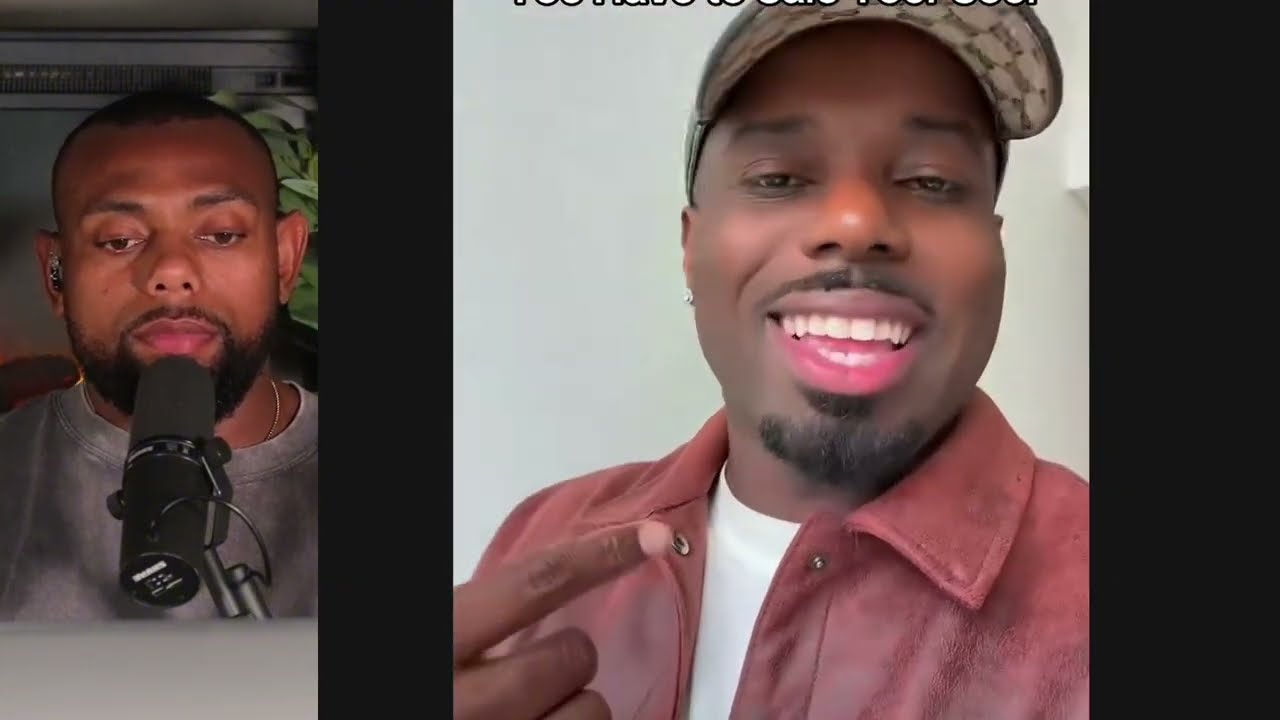
The most chilling revelation about the music industry’s exploitation model comes from an unnamed former mainstream rapper who once had “one of the biggest songs in history.” He details how record labels, immediately upon signing a promising artist, deploy a calculated strategy to ensure financial servitude. The mechanism is simple, seductive, and nearly impossible to resist: the company credit card, often a black card with seemingly endless spending power.
“They took me to a store to go shopping,” the rapper recounts, describing how he was stopped from using his own money. The label executive’s instruction was direct and predatory: “Wait, wait, wait, wait, wait. No, don’t spend your own money. Spend this money.” They then handed him a black card, designating it for “anything you want: studio time, music video, whatever you want. This is the card you use. No more spending your own money.”
This card, presented as a gift and a symbol of success, is, in fact, an advance—a massive, interest-free loan that every artist is contractually obligated to repay before they can receive a single dollar in profit. This is the crucial point where “all the artists mess up.” They take the card and immediately “buy houses, cars, and everything,” running up the debt under the illusion that the millions they generate for the label will easily cover the costs.
The harsh reality is that the spending is encouraged for a reason. By funding extravagant music videos, paying enormous sums for features with bigger artists, and footing the bill for a lavish, public lifestyle, the label is not only building a successful brand but also sinking the artist into a colossal, often insurmountable debt. They are essentially investing their own money to secure a lien on the artist’s future earnings.
The Illusion of Wealth: Why Superstars Are Secretly Broke
The financial consequence of the Black Card Trap is a stark and heartbreaking irony: many of the world’s most famous, seemingly wealthy artists are not receiving paychecks.
The former rapper, who claims he “made the label millions and millions of dollars,” describes how he cleverly avoided the trap by studying the game and refusing to spend. He returned the card after only a single swipe, choosing to live modestly in a normal four- or five-bedroom house, focusing on his long-term financial security.
“A lot of the artists that you think are the most famous artists in the world, they’re not receiving any paychecks because they got that card and they ran it up and they only owe money,” he explains.
The label’s strategy is flawless in its ruthlessness. While the artist’s music continues to generate revenue—especially after a “huge song”—the money flows directly back to the label. They are legally entitled to “just keeping everything” until every dollar of the advance is repaid. For the artist, this translates to years, perhaps decades, of working for free, locked into a deal they cannot escape. They have all the trappings of wealth—the cars, the jewelry, the visibility—but zero liquid income, a constant state of financial slavery camouflaged by manufactured celebrity.
The escape path is equally brutal: the rapper was only able to buy himself out of the contract by forfeiting five months of his own paychecks, essentially paying the label his own hard-earned money to regain his freedom.
The Creative Shackles: Forced Content and the ‘Demonic’ Shift
Beyond the financial chains, the rappers’ testimonies point to an even more insidious form of control: the imposition of a forced persona and mandated content that often contradicts the artist’s original vision. This is the “spiritual slavery” that artists claim is the true cost of the “sold soul.”
The unnamed rapper questions the sudden creative pivots of artists who start making “weird,” “demonic,” or ungodly songs that are drastically different from their initial material. He wonders if they are being “forced to have this persona” and create this music because “it’s all under contract that you are assigned to this label and this label can make you do the things that they want you to do.”
This observation is violently reinforced by YK Osiris, an artist who has achieved high levels of industry visibility. In a candid video, YK Osiris breaks down, stating unequivocally that the success and fame of the rap industry are “not a blessing from God, it’s a blessing from the devil.”
He chastises rappers for using the name of God in vain, revealing the dark core of the industry’s output: “God don’t want you to talk about no sex, money, cars, clothes, and hoes. What makes you think this a blessing?” He argues that the culture encourages self-destruction and that the money and fame are a lure, a “game” designed to make people look up to them as idols, thereby perpetuating a cycle of emptiness.
Manufacturing Success: Fake Views and Industry Slaves
The testimonies further expose the industrial scale of manufacturing and manipulating success to create the illusion of global demand. Bobby Shmurda, another artist familiar with the industry’s darkest corners, explicitly calls out the system, declaring that he can speak freely because he is “not a slave” on a label.
Shmurda points directly to a popular, chart-topping figure, labeling him “one of the biggest slaves in the game.” He reveals that the colossal numbers and massive radio play are nothing more than a purchased façade: “Everything y’all see on my dead grandmother is fake. Is for a million views, is $4,000 cash on gang… The labels do… they pay like the radio $2,000 every station every people to get playing on things. So everything y’all listening to is just all altered. Altered means fake.”
This confession reveals a deeply disturbing picture: the charts, the radio rotations, and the viral metrics that define modern musical success are, to a large extent, fabricated and paid for by the labels. This deliberate manufacturing of fame is necessary to create the illusion of popularity, which in turn justifies the massive advances and keeps the artists locked in their contracts, fulfilling the industry’s cynical goal to “infect your mind” and cause “disruption” and “destruction.”
The Cost: Despair, Suicide, and DMX’s Final Warning
The emotional toll of this system is perhaps the greatest tragedy. YK Osiris warns that behind the money and the luxury, rappers are “dealing with emo spirits, they dealing with killing their self.” The pursuit of a destructive, forced persona and the financial debt that binds them leads not to happiness, but to despair and self-harm.
Legendary rapper DMX, who spent decades navigating the industry’s murky waters, provided a stark warning during his lifetime, calling the entire structure “fucking bullshit.” His song, “The Industry,” serves as a chilling anthem to the creative struggle: “The industry is trying to control the way you MC. They want you to dress like this and talk like that.” DMX’s powerful words resonate as a condemnation of a system that attempts to commodify and control the artist’s very soul, stripping them of authenticity in the process.
The stories of these artists serve as a potent, unified voice against an exploiting machine. They expose a cycle where raw talent is initially rewarded with a tempting advance, followed by a relentless push for expensive, hyper-sexualized, or destructive content—all to justify the massive debt that ensures the artist never sees a profit, remains perpetually in the dark shadow of their label, and is forced to live a lie.
The only way out, as the initial rapper proved, is extreme financial discipline and the sacrifice of personal earnings to reclaim freedom. For many others, the debt is terminal, cementing their fate as eternal slaves to the very success that was supposed to liberate them. The music industry, they warn, is a “devil’s game,” and the price of admission is often everything.