In a significant revelation that pulls back the curtain on media influence and political pressure, Erika Kirk, the widow of late conservative activist Charlie Kirk, has disclosed a private offer made by executives from Sinclair Broadcast Group. The media conglomerate, one of the largest television broadcast operators in the United States, reportedly offered to leverage its relationship with ABC to demand a public apology from late-night host Jimmy Kimmel for on-air remarks concerning her husband’s assassination. Kirk’s ultimate decision and her public disclosure of the offer have ignited a broader discussion about media accountability, corporate power, and the personal cost of political battles.
The controversy originated from a monologue on Kimmel’s show in September, during which the host suggested that the “MAGA gang” was attempting to shift blame for Charlie Kirk’s death. The comments sparked immediate and intense criticism, primarily from conservative audiences and commentators who accused Kimmel of callously politicizing a tragedy. The backlash was potent enough to prompt action from ABC’s parent company, Disney, which, in a move coordinated with major affiliate station operators Nexstar and Sinclair, temporarily suspended Jimmy Kimmel Live! The show was taken off the air from September 17 to September 23. This suspension underscored the considerable influence that large affiliate groups, which own the local stations that broadcast network programming, can wield over national content.
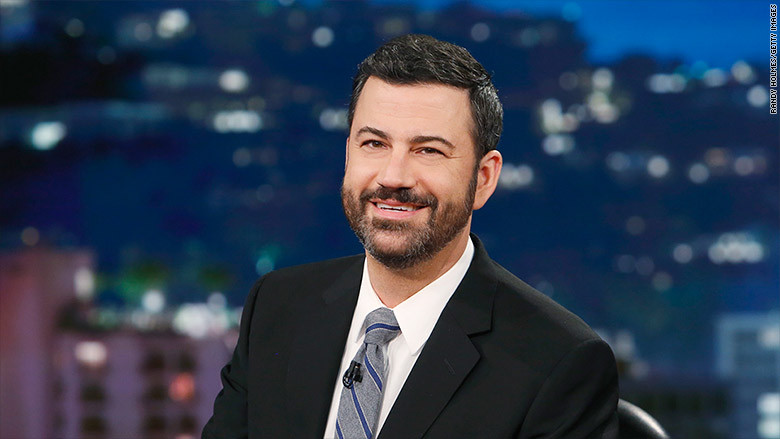
It was in the aftermath of this suspension that Sinclair’s leadership reportedly approached Erika Kirk. In a revealing interview with Fox News host Jesse Watters, Kirk recounted the proposal. She explained that the broadcast group offered to act as an intermediary, using its standing as a major ABC partner to compel the network and its star host to issue a formal apology. However, Kirk declined the offer, choosing a path of personal conviction over a public confrontation.
“The same thing I told Sinclair… I don’t need Jimmy Kimmel’s apology to validate my husband’s legacy,” Kirk stated during the interview. This powerful declaration signaled her refusal to be drawn further into the media spectacle. By rejecting the offer, Kirk recentered the narrative away from a feud with a television personality and toward what she views as the enduring importance of her husband’s work and principles. Her stance suggests a belief that the truth of his contributions to conservative activism would ultimately outweigh any controversial remarks or the absence of a forced apology.

The involvement of Sinclair Broadcast Group adds a critical layer to the incident. Known for its conservative editorial stance, which it has previously mandated for its local news stations, Sinclair’s offer can be interpreted as both a gesture of support for a conservative figure’s family and a strategic move in the ongoing cultural and political war. It highlights the complex and often behind-the-scenes power dynamics between national networks like ABC and the sprawling groups of local station owners that form their distribution backbone. For a group like Sinclair to offer to mediate an apology is a demonstration of its perceived power and its willingness to engage in battles over public narrative.
The public reaction to the entire affair has been predictably fractured along ideological lines. Supporters of Erika Kirk and critics of Kimmel have praised her dignified response and condemned the host’s original comments as irresponsible and harmful. They view Sinclair’s offer as a necessary check on the power of what they consider mainstream media. Conversely, defenders of Kimmel argue for the protection of free speech and satire, even when it involves politically sensitive subjects. They might view Sinclair’s intervention as an attempt by a politically motivated corporation to censor a popular host and control the national conversation.
Ultimately, the episode serves as a compelling case study in the modern media landscape, where personal tragedy can instantly become a flashpoint for political division. It raises profound questions about the ethical duties of comedians and commentators, the accountability of media corporations, and the immense pressure placed on individuals caught in the crossfire. Erika Kirk’s decision to prioritize her husband’s legacy over a public apology provides a poignant conclusion to the chapter, suggesting that in an era of relentless media conflict, true vindication may not lie in winning a public argument, but in quietly upholding one’s own values.