In a significant legislative move, Senator Ted Cruz of Texas has renewed his effort to pass the Stop Financial Underwriting of Nefarious Demonstrations and Extremist Riots (Stop FUNDERs) Act. The bill proposes to amend the Racketeer Influenced and Corrupt Organizations (RICO) Act, a law traditionally used to prosecute organized crime, by adding the funding of riots to its list of predicate offenses. This initiative directly targets what the senator describes as the financial networks supporting disruptive protests across the United States, with a particular focus on billionaire philanthropist George Soros and his Open Society Foundations.
The proposed legislation comes amid a series of anti-Trump demonstrations known as the “No Kings” rallies. Senator Cruz has publicly asserted that there is a clear financial trail linking these events to Soros-affiliated entities. “There’s considerable evidence that George Soros and his network are funding the ‘No Kings’ rallies,” Cruz stated on the social media platform X. “That’s exactly why I’ve introduced the Stop FUNDERs Act. It lets law enforcement prosecute those funding acts of political violence.”
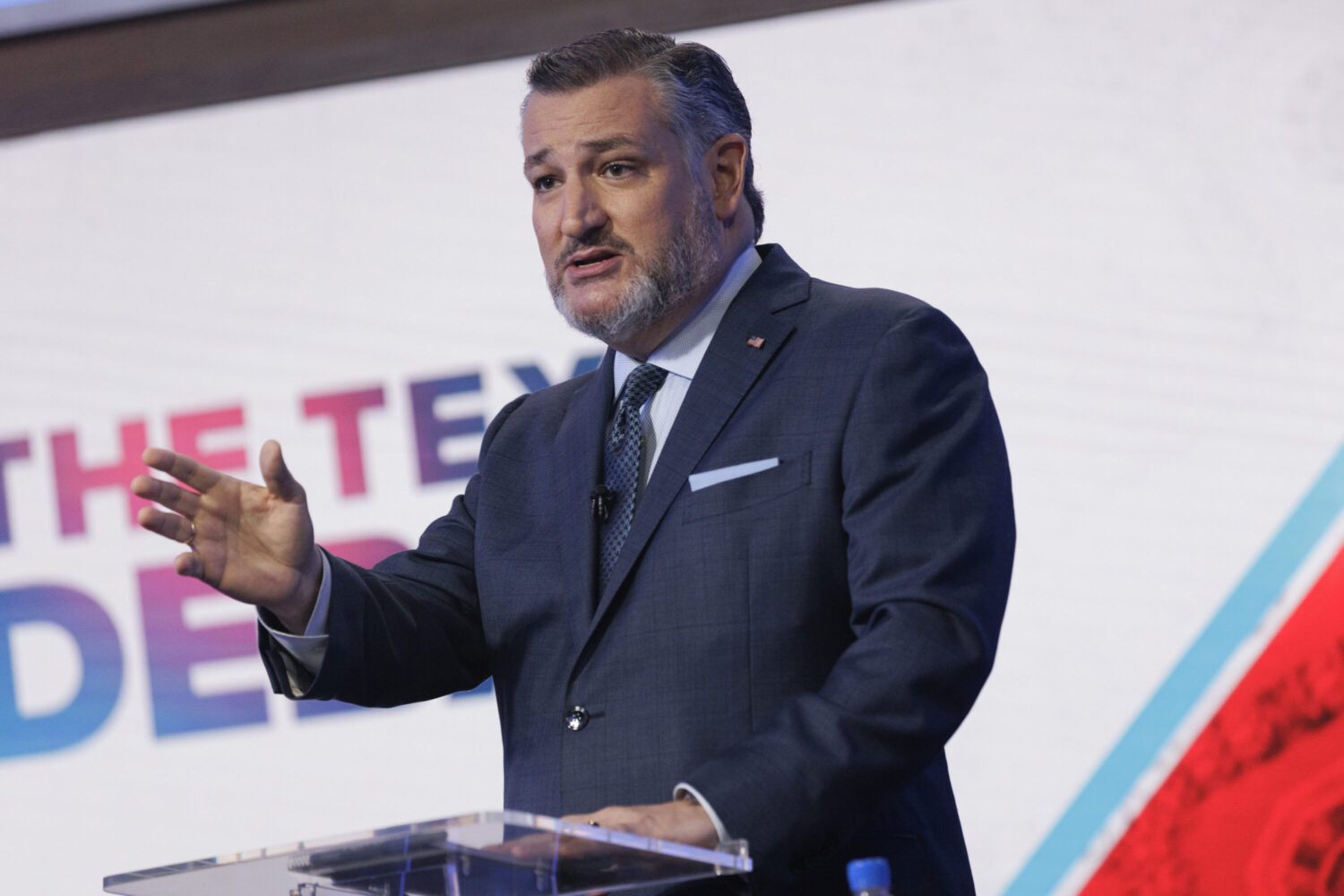
Further detailing his case, Cruz dedicated an episode of his podcast, Verdict with Ted Cruz, to outlining the alleged money trail. According to public IRS filings he cited, Soros’s Open Society Foundations have granted over $7.6 million to Indivisible since 2017. Indivisible, a grassroots progressive organization, is reportedly coordinating the logistics and participant data for the “No Kings” events, which are projected to draw millions of participants across 2,500 locations. The records show a specific $3 million grant was issued in 2023 for “social welfare activities.”
If enacted, the Stop FUNDERs Act would provide the Department of Justice with a powerful new instrument. By classifying rioting under the federal Anti-Riot Act as a racketeering activity, prosecutors could pursue conspiracy charges and seek joint liability against those who finance, not just participate in, such events. This could lead to swift asset seizures and the freezing of bank accounts belonging to implicated organizations and donors, effectively disrupting their operations.
The bill has garnered support from several Republican colleagues and conservative groups. Co-sponsor Senator John Cornyn (R-TX) framed it as a necessary measure against “radical left-wing groups who fund acts of violence, coordinate attacks against law enforcement, and spearhead the destruction of property.” Similarly, Steve Chartan of Heritage Action praised the legislation, stating, “This bill targets those inciting violent riots nationwide, ensuring First Amendment rights for peaceful protest while cracking down on the paymasters of anarchy.” During a recent Senate hearing, FBI Director Kash Patel also expressed support, affirming the bill would better equip agents to dismantle networks that fuel political violence.
For decades, George Soros, a Hungarian-born financier whose foundations have contributed over $32 billion to progressive and democratic causes worldwide, has been a prominent figure of criticism for conservatives. Critics, including former President Donald Trump, have accused him of financially backing a wide array of activities, from anti-ICE demonstrations to campus unrest and now the “No Kings” movement. “Follow the money. Cut off the money,” Cruz urged during an appearance on Hannity, suggesting that without such intervention, the protests could escalate.
Conversely, the legislative push has sparked fierce opposition from Democrats and civil liberties organizations. Senate Minority Leader Chuck Schumer, a participant in the “No Kings” rallies, denounced the bill as “McCarthyite overreach” intended to “chill free speech.” The American Civil Liberties Union (ACLU) issued a warning that the act “dangerously lowers the bar for government investigations into peaceful demonstrations,” creating a risk that ordinary citizens who donate to activist causes could become entangled in federal probes.
The Open Society Foundations issued a direct rebuttal to the senator’s claims. “Neither George Soros nor the Open Society Foundations fund protests, condone violence, or foment it in any way,” a spokesperson for the foundation stated. “Claims to the contrary are false.” Progressive commentators have echoed these sentiments, criticizing the bill’s broad language and its potential to classify even nonviolent but “nefarious” demonstrations as subjects of federal scrutiny.
The political environment may be favorable for the bill’s advancement. With Republicans controlling the Senate and a Department of Justice led by Attorney General Pam Bondi, who is seen as sympathetic to the cause, the legislation has a plausible path forward. The initiative aligns with previous statements from Donald Trump, who has suggested using the RICO Act against left-wing groups. An anonymous GOP strategist commented on the broader implications, noting, “This isn’t just about Soros—it’s about sovereignty. No foreign billionaire gets to buy America’s streets.” This sentiment taps into a wider public concern, as reflected in a recent Rasmussen poll indicating that 58% of Americans believe large financial contributions corrupt activism. As Senator Cruz’s proposal moves forward, it sets the stage for a major confrontation over the boundaries of free speech, the influence of money in politics, and the government’s power to regulate dissent.