The Music, The Meme, The Murder: Inside the Evidence that Led to Yungeen Ace’s Arrest and the Shocking Betrayal in the Julio Fulio Trial
The 2025 arrest of Jacksonville rapper Yungeen Ace (Keonte Bullard) marks a significant escalation in the ongoing gang violence plaguing the drill rap scene. His arrest is directly linked to the murder trial of rival rapper Julio Fulio (Charles Jones), where prosecutors are building a case that leverages the rapper’s own music and social media activity as key evidence.
The court proceedings have unveiled a chilling narrative of a violent feud between the groups ATK (Ace Top Getters)/1200 and Six Block, demonstrating how rap lyrics and online boasts became criminal testimony.
The Smoking Gun: Diss Tracks and Incriminating Evidence
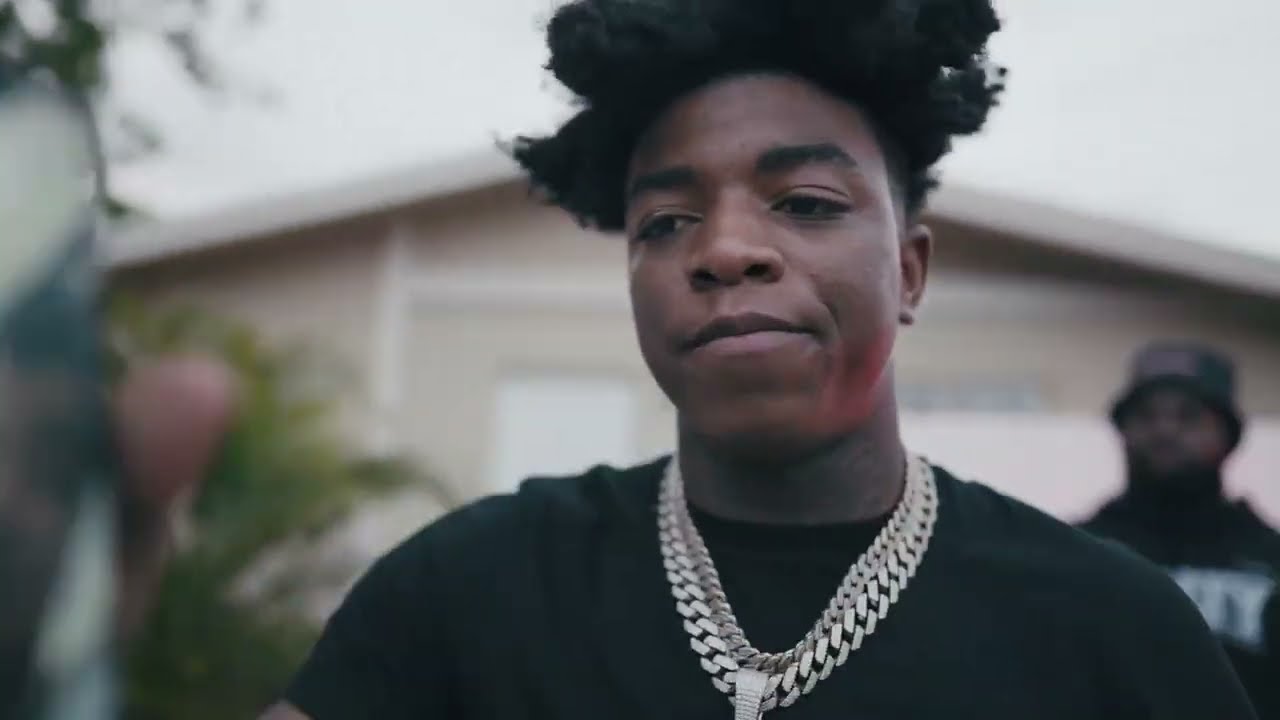
Prosecutors in the Julio Fulio trial presented several pieces of evidence hinting at Yungeen Ace’s alleged involvement in the murder plot:
-
The “Game Over” Diss Track: Yungeen Ace’s music video for his song “Game Over,” an explicit diss track aimed at Julio Fulio, was played for the jury, establishing the animosity. Shockingly, the song was released on the very same day Julio Fulio was killed.
-
The Don Julio Meme: Evidence showed that Yungeen Ace sent a picture of a Don Julio tequila bottle to one of the charged suspects one day after the murder. The detective testified that this image represented a direct insult to Julio Fulio (Don Julio), signaling a celebratory mockery.
-
A Key Witness: A witness, who had dated Yungeen Ace’s brother Trayvon Bullard, linked Yungeen Ace to the ATK group and testified about the deep-seated rivalry between ATK and Six Block.
Adding to the incriminating appearance, Yungeen Ace appeared on an interview with DJ Akademiks just one month after the murder and laughed when asked if he was behind the crime, an action widely viewed as confusing and careless given the circumstances.
Police Crackdown and The ATK Dissolution
As the investigation mounted, authorities took unprecedented steps to limit the rapper’s influence and resources:
-
Tour Cancellations: Police repeatedly called venues to cancel all of Yungeen Ace’s scheduled tour dates, a tactic intended to limit his ability to earn money and maintain fame.
-
Public Monitoring: The Jacksonville Sheriff’s Office issued a public service announcement (PSA), stating they are “consistently monitoring” Yungeen Ace and his crew, emphasizing that he “can’t move around in Jacksonville without us knowing about it.”
Under intense pressure and fearing a potential RICO indictment, Yungeen Ace publicly attempted to distance himself from his crew, tweeting: “Ain’t no such thing as ATK no more that stuff is gone and over with.”
The Setup: A Stop-the-Violence Trap
Police files revealed the horrifying details of Julio Fulio’s final moments and a sophisticated act of deception orchestrated by his rivals:
-
Social Media Lure: Julio Fulio publicly posted his live location on Instagram throughout his birthday celebration (from an Airbnb to a local club), despite the major security risk.
-
The Fake Truce: Just months before his death, Julio Fulio told a journalist he was planning a “stop the violence” song with an ATK member, believing the feud was cooling down. Police files, however, allege that ATK members only did this to trick Julio Fulio into dropping his guard and to “catch him lacking.”
-
The Ambush: After leaving the club, two suspects followed Fulio’s team to a Holiday Inn. As Fulio’s manager was checking in, multiple shooters ambushed the group in the parking lot, killing Julio Fulio and striking three additional victims.
Furthermore, a street member alleged that the crime was financially motivated, claiming that Yungeen Ace allegedly put up $10,000 on Julio Fulio’s head, an act of retaliation believed to be connected to the 2022 death of ATK affiliate “Mitch.” The violence has even targeted family, with Fulio’s mother claiming she was shot at eight times and naming Yungeen Ace as the culprit.
Ultimately, police place a significant portion of the blame on the music itself, which, according to officials, “motivates them to continue doing crime so they have more to rap about.” The case against Yungeen Ace serves as a stark reminder of the deadly consequences when art and gang warfare violently intersect.