In the world of professional sports, value is rarely subtle. It’s measured in television ratings, jersey sales, endorsement dollars, and, most tellingly, in the seismic shifts of media rights valuations. By every metric currently available, Caitlin Clark, the transcendent rookie star for the Indiana Fever, is not just a valuable player—she is an economic engine and a cultural phenomenon whose presence has fundamentally re-rated the entire landscape of women’s basketball.
Yet, lurking beneath the glittering headlines of sold-out arenas, record-shattering viewership, and billion-dollar media deals lies a paradox so staggering it threatens to overshadow the sport’s magnificent growth: the vast, untenable gulf between the value Clark generates for the WNBA and the compensation she receives from it.
Clark’s story is a financial fable of our time. On one hand, corporate America, recognizing her mainstream celebrity status, has paid a king’s ransom for her partnership. On the other, the league that benefits most from her magnetic appeal is bound by a collective bargaining agreement that is treating a generational talent like a standard commodity, exposing an institutional flaw that could, if left unaddressed, ultimately lead to an implosion.
The Market’s Unanimous Verdict: $28 Million and Counting
To understand the scope of the problem, one must first appreciate the scale of Clark’s commercial worth. Her value is not based on speculation; it is established fact, confirmed by the hardest metrics in global business.
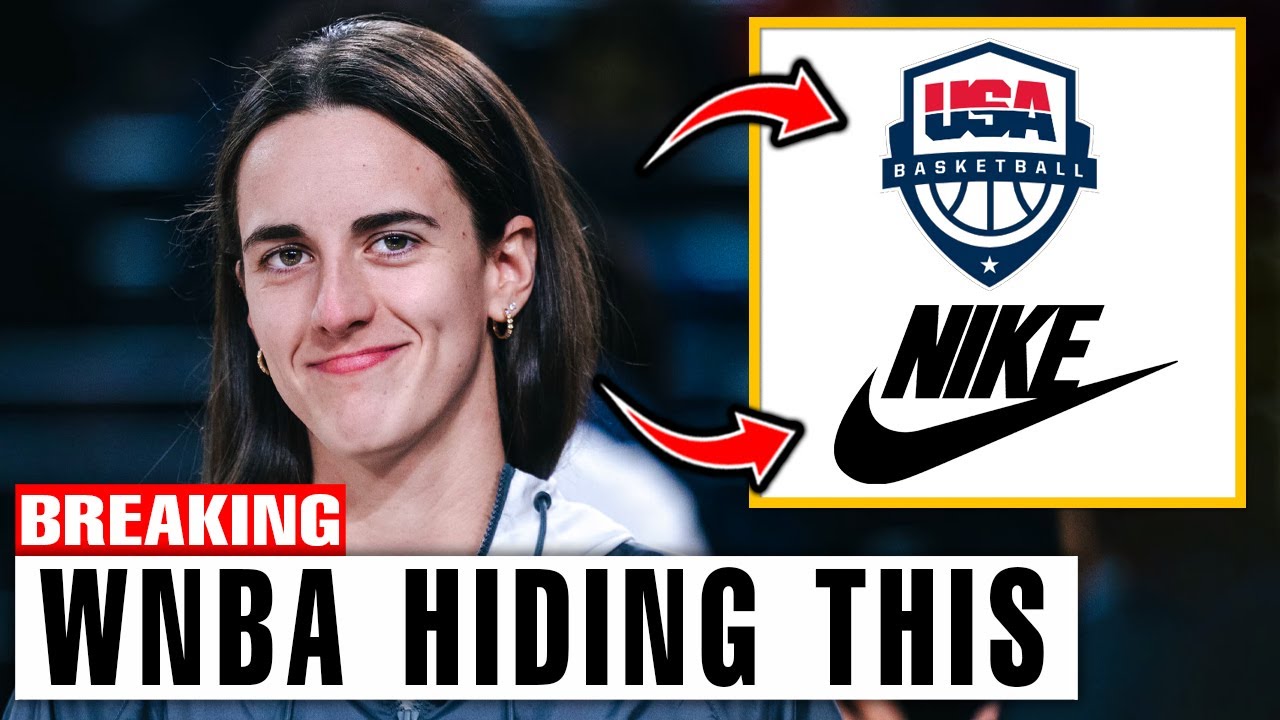
Before she even stepped onto a professional court, Clark signed an unprecedented 8-year, $28 million deal with Nike, establishing the richest sponsorship contract for a women’s basketball player in history. This deal, anchored by the launch of her own signature shoe line—which she proudly discusses in the black and yellow colors of her professional team, the Fever—is Nike’s calculated bet on her ability to move product and transcend the niche market that women’s basketball once represented. Nike isn’t just buying an athlete; they are investing in a cultural icon whose mainstream recognition justifies a significant, multi-million dollar commitment.
The endorsement deal is merely the tip of the iceberg. Clark’s Indiana Fever jersey, according to retail giants like Fanatics, sold out in every single size immediately upon release. Reports even suggested she outsold the entire inventory of the Dallas Cowboys, a global juggernaut franchise in the NFL. Fans are not just casually following her; they are driving for 23 hours from Canada just to see her play, filling arenas in every single city the Fever visits, transforming road games into destination events. This overwhelming consumer demand, spanning merchandise, ticket sales, and endorsement partnerships, is the unambiguous voice of the market assigning Clark her true value.
The Tectonic Shift: $3 Billion on the Strength of One Star
The most irrefutable evidence of Clark’s transformative power lies in the recent WNBA media rights negotiation. The league just finalized a monumental new package with multiple networks—including ESPN, NBC, and Amazon—reportedly worth an astonishing $3 billion over 11 years. This figure is not incremental growth; it represents a fundamental revaluation, securing a financial package that is six times more profitable than the previous agreement.
Media executives and industry analysts have repeatedly whispered the same truth: this unprecedented re-rating of the WNBA product is inextricably linked to the arrival of Caitlin Clark. She is, as the Wall Street Journal noted, the “GOAT of TV ratings.” Her college championship game at Iowa drew a mind-boggling 9.9 million viewers, and her transition to the professional league has made WNBA games appointment television for millions of casual sports fans who never tuned in before. Viewership for the WNBA is spiking, assets are increasing, and the league is stable for the first time in its history—all because of the demand she created.

Experts estimate that Clark’s mere presence generates an additional $50 million annually in media rights value for the WNBA. This single player, in her rookie season, is the central pillar supporting a multi-billion dollar financial structure.
The Staggering Inequity: $76,000 vs. $50 Million
Here is where the glittering narrative of progress shatters into the uncomfortable shards of financial reality. Despite generating an estimated $50 million in annual media value for the league, Caitlin Clark’s WNBA rookie salary is a mere $76,000 per year.
The math is not just disappointing; it is indefensible. Nike is paying $3.5 million per year for her endorsement. The WNBA is paying $76,000 for her actual athletic performance, her travel, her physical sacrifice, and the value she creates for the entire ecosystem. As the transcript analysis correctly points out, the league is compensating her at a rate that is approximately 7% of what one shoe company is paying for the right to put her name on a product.
League defenders are quick to cite legitimate complications: the WNBA has historically operated at a loss, the NBA subsidizes many operations, and the league needs to build sustainable financial independence. These are valid points for the league’s overall history. But they do not excuse the current state of compensation for a player whose individual impact is both immediate and measurable.
When a player’s drawing power single-handedly transforms a struggling enterprise into a multi-billion dollar asset, paying her a salary that is less than many entry-level corporate jobs is not “careful management” or “sustainable growth.” It is, by definition, an act of exploitation—taking advantage of a rookie contract structure that was negotiated before anyone could have imagined this generational level of commercial impact. The WNBA is aggressively monetizing the “Caitlin Clark effect” at a rate that far exceeds what they are compensating her for it.
The Institutional Trap and the Looming Threat
The core of the problem lies within the collective bargaining agreement (CBA). While the new media deal promises a projected quadrupling of the salary cap and maximum contracts potentially reaching $500,000, these benefits are structured to reward veterans and longevity. Rookie contracts remain rigid and are currently set to dramatically undervalue transcendent talents who move the television needle.
The institutional structure is designed to capture Clark’s value and distribute it across the league—a noble goal for long-term health, perhaps, but a raw deal for the player who is actively creating that value. As commentator Charles Barkley correctly pointed out, WNBA players, who will now enjoy private charters and increased visibility, should be thanking Clark for bringing all the money and attention to the league. The institutional flaw, however, is not about player attitudes; it’s about a system that minimizes her compensation while maximizing her output.
Crucially, the CBA is not up for renegotiation until 2027. This means Caitlin Clark is contractually bound to be dramatically underpaid, relative to her market value, for multiple years. By the time the league can implement a salary structure that truly reflects her worth, she will have already generated hundreds of millions in foundational value for the entire ecosystem. Nike, demonstrating true business acumen, locked her into a long-term deal before the next CBA could give her the leverage she deserves.
This structural failing creates an existential threat for the WNBA: Clark has options. Overseas leagues, particularly in Europe or China, have the financial might and inclination to pay her a far greater salary, compensating based purely on her drawing power. Her Nike deal alone provides her with more financial security than a decade of WNBA rookie contracts. If Clark were to become disillusioned with the grind of professional basketball for a modest salary while the league sells $3 billion packages on her back, she could walk away and focus entirely on endorsement income or international play.
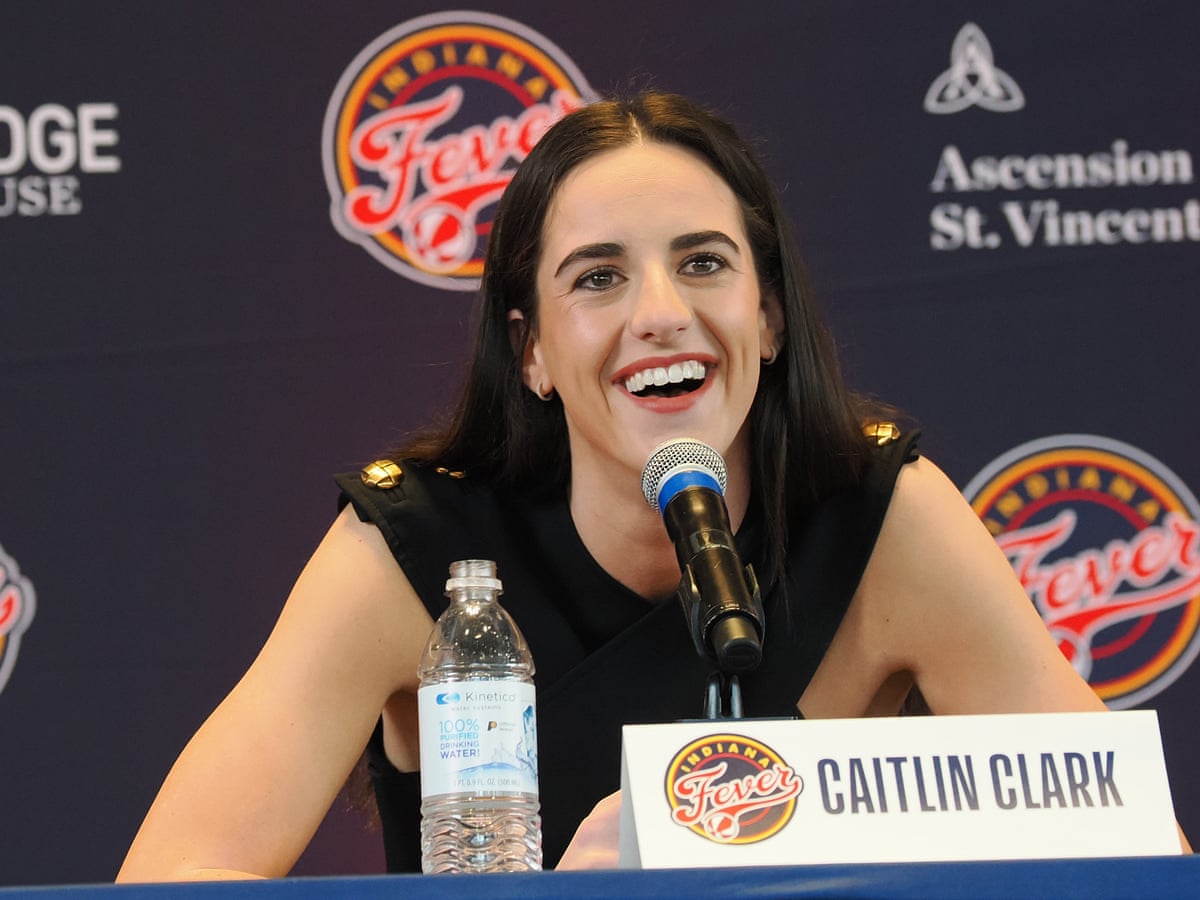
The WNBA needs Caitlin Clark far more than she needs the WNBA.
The Clock is Ticking
The $3 billion media deal is a monumental, celebratory moment for women’s basketball, securing the league’s financial future and paving the way for better compensation across the board. But it has also served as a bright, unforgiving spotlight, exposing how dramatically the WNBA has undervalued the specific player driving that unprecedented growth.
Caitlin Clark has handled this paradox with impeccable grace and professionalism, focusing on her game and praising her team. She is not demanding special treatment, which only makes the compensation disparity even more glaring.
The conversation about value and compensation in women’s sports can no longer be avoided. When a player generates an estimated $50 million in annual value and earns $76,000 in compensation, it is not a sustainable business model; it is a ticking time bomb. The WNBA has until the next CBA negotiation to figure out how to bridge the gap between their historic new valuation and the individual market value of their generational star, or they risk watching their golden goose fly across the ocean to a market that truly understands her worth. The question is no longer if the WNBA can survive, but for how long it can survive without paying the person who made it worth billions.