The Final Verdict: Jay-Z Reveals Why the Dame Dash Beef Is a Bridge That Must Remain Ashes
For nearly a quarter of a century, the legendary beef between Shawn “Jay-Z” Carter and Damon “Dame” Dash has stood as hip-hop’s most painful and enduring parable. It is a saga not just of a business breakup, but of a broken brotherhood, a cautionary tale about how ambition, ego, and diverging philosophies can dismantle an empire built on shared hunger and relentless hustle. While the world watched the slow, agonizing collapse of Roc-A-Fella Records, the collective hope remained: one day, these two titanic figures would reconcile, healing one of the culture’s deepest wounds.
But now, that hope has been extinguished.
In a recent, unprecedented moment of candor, Jay-Z—a figure known for his strategic silence—has finally delivered a definitive and chilling verdict on the possibility of reconciliation, making it clear that the rift with Dame Dash is permanent. His explanation goes far beyond corporate disagreements; it is a profound declaration of self-preservation rooted in emotional necessity, a statement that has reverberated across the industry and among fans who realize this feud runs infinitely deeper than mere financial squabbles. The wound is too personal, the betrayal too deep, and as Jay-Z articulated with a stark, unsettling clarity, “Forgiveness is cool but some things can’t be undone.”
This is the definitive story of why the most iconic partnership in music history fell apart, and why, for one of hip-hop’s founding fathers, the path to peace requires loving a former brother from an unbridgeable distance.
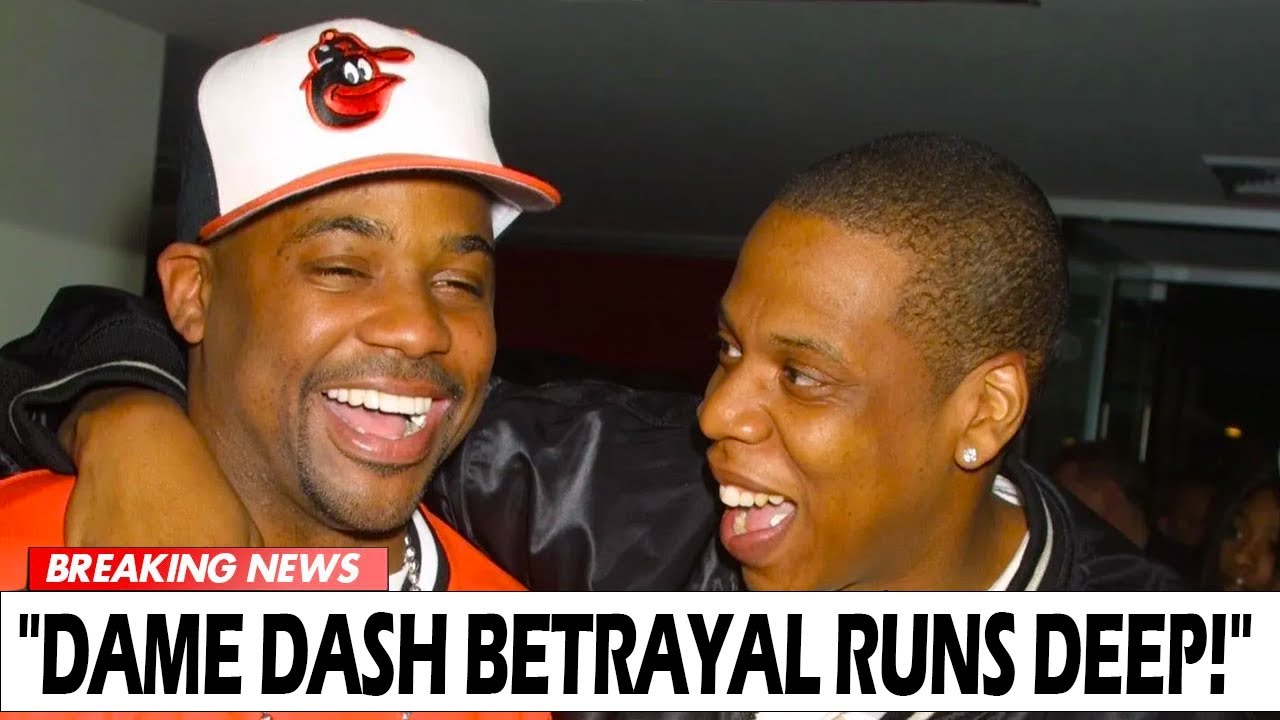
The Blueprint of Brotherhood: A Dynasty Forged in Hustle
To understand the severity of the split, one must remember the glorious, explosive genesis of Roc-A-Fella Records. In the late 1990s, Jay-Z, Dame Dash, and Kareem “Biggs” Burke were young, fearless, and operating outside the established music machine. They weren’t just label owners; they were brothers building an infrastructure for a new era of artistry. They operated as a unified front: Dame Dash, the loud, aggressive, public-facing businessman, was the enforcer who fought tooth and nail for Jay-Z in every room. Jay-Z, the calm, strategic visionary and unparalleled musical talent, was the product and the game plan.
Together, they were unstoppable. Albums like Reasonable Doubt and The Blueprint weren’t just commercial successes; they were cultural monuments built on raw determination and street credibility. They built an empire from the ground up, off the back of a shared dream and a relentless commitment to ownership.
The partnership, however, contained the seeds of its own destruction. The very dynamic that made them successful—Dame’s fiery street loyalty and Jay-Z’s measured ambition—eventually became the fault line that would split their world apart. As fame escalated and money became exponentially larger, their paths, and their personal moral compasses, began to diverge.
The Core Rift: Loyalty vs. Longevity
The popular narrative often frames the breakup as a simple dispute over who got what share of the money. Jay-Z’s recent commentary confirms that this simplification misses the real, emotional core of the conflict: a clash of ideological mindsets.
As the label matured, Jay-Z was focused on strategic growth, brand partnerships, clean corporate deals, and the long-term longevity of the brand. He was evolving from the street hustler into the boardroom mogul. Dame, conversely, remained fundamentally rooted in a philosophy of rigid street loyalty and absolute control. He valued the emotional connection and the “us against the world” mentality, viewing any embrace of corporate structure as a betrayal of the culture they came from.
The tension began subtly, bubbling beneath the surface. Jay-Z reportedly felt Dame’s famously combative attitude was actively scaring away potential opportunities and clean business deals that could catapult the brand to the next level. The desire for absolute control, Dame’s constant need to be the loudest voice in the room, began to feel like a liability in the high-stakes world of multi-million dollar entertainment.
Meanwhile, Dame felt increasingly marginalized. He saw Jay-Z moving without him, engaging in quiet, strategic conversations with executives and forging deals behind what felt like closed doors. For Dame, the emotional currency of their brotherhood was being devalued in favor of cold, corporate efficiency. He felt betrayed, believing Jay-Z was trying to move without the man who had been his most vocal advocate.
The difference in their approach was laid bare in their contrasting professional demeanor. Jay-Z became the quiet strategist, the observer who plays chess while others play checkers. Dame remained outspoken, aggressive, and emotional. This difference highlights the tragic lesson of their split: that not every partner from the journey is equipped, or willing, to make the destination.
When Business Became Personal: The Lines That Were Crossed
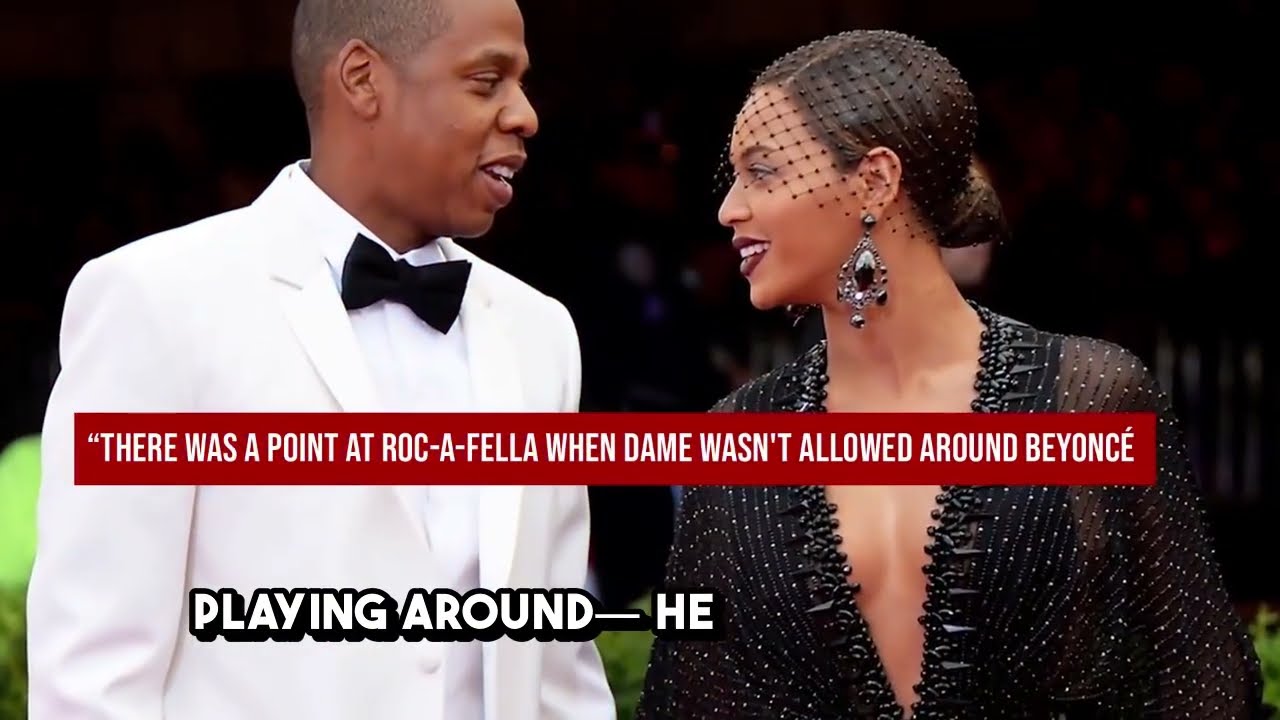
While the business split was painful, Jay-Z suggests the failure to reconcile stems from actions Dame took that crossed uncrossable personal and ethical boundaries. The separation ceased to be a simple dissolution of a business and became a profound betrayal between men who once called each other family.
In the aftermath of Roc-A-Fella’s dissolution, Dame Dash frequently brought Jay-Z’s name up in interviews, often without provocation, painting his former partner as a sellout who forgot his origins and surrendered control to corporations. For a figure like Jay-Z, who values control and strategic silence, these public jabs turned into a pattern of disrespect—a deliberate attempt to undermine the narrative of his success.
Jay-Z’s response to these recurring accusations has consistently been silence and success. He rarely engaged directly, preferring to let his escalating achievements—the founding of Roc Nation, the deals with the NFL, the growth of TIDAL—act as his reply. As one source commented, Jay simply moved “smarter, higher, richer,” turning every insult into motivation. That success, in itself, was his potent, measured revenge.
However, the final, unforgivable straw came when Dame Dash attempted to auction off Jay-Z’s debut album, Reasonable Doubt, as an NFT a few years ago. This action was not just an attempt to make money; it was an attempt to touch and monetize Jay-Z’s foundational legacy. Reasonable Doubt is arguably the most sacred piece of Jay-Z’s cultural output, the definitive starting point of his mythos. By attempting to tamper with it, Dame crossed a line that Jay-Z clearly viewed as an assault on his identity and his life’s work.
Jay-Z’s team responded swiftly and decisively, hitting Dame with a lawsuit and shutting down the attempted sale entirely. This legal action was a powerful, non-verbal message: Jay-Z was not playing around. He was protecting his legacy with the ferocity of a king protecting his crown. In his mind, the action confirmed that some relationships are too volatile and too destructive to be salvaged. The man who once fought for him had now tried to dismantle the very foundation of what they built.
Jay-Z’s Philosophy of Closure: Love From a Distance
The core of Jay-Z’s explanation for the permanent rift lies in his philosophy of self-preservation and boundary-setting. When addressing the prospect of reconciliation, his answers were less about anger and more about a strategic, almost clinical understanding of what emotional health requires.
One quote, in particular, resonated deeply with fans because of its raw emotional weight: “You can’t heal something that’s still cutting you.”
This statement reveals that the hurt from the betrayal is still a living wound. No matter his accumulated wealth or success, Jay-Z is still carrying the weight of the personal disintegration of his brotherhood. To bring Dame Dash back into his inner circle, or even to publicly reconcile, would be to re-expose himself to that pain, to allow the potential for future volatility and betrayal to infect the stability he has spent decades building.
He further clarified his emotional boundary with another powerful mantra: “Sometimes you got to love people from a distance. Not everyone can go where you’re headed.” This line is not “shade”; it is closure. It’s an acknowledgment that while he may still hold affection for the historical bond they shared, his current life—as a billionaire mogul, husband to Beyoncé, and father—occupies a different universe. His life is defined by progress, and he cannot allow himself to be tethered to a figure who is emotionally locked in the past and still fighting old wars.
The statement also serves as a poignant analysis of how success often functions as a filter. It suggests that while some people are essential for the start of the journey, their own emotional or philosophical constraints may prevent them from making the transition to the top. Jay-Z understood that maintaining his peace and his growth required him to create an unmovable boundary.
Finally, when asked about forgiveness, Jay-Z’s response was nuanced and devastatingly honest: “I forgive but I don’t forget. Some bridges once burned should stay ashes.”
This is the ultimate answer. He is not motivated by hate or a thirst for revenge. He has made peace with the past event. However, forgiveness does not equate to reconciliation. It simply means he is no longer carrying the bitterness, but he will utilize the hard-earned wisdom. The bridge—the connection built on trust—was burned for a reason, and to rebuild it would be to invite disaster. It is a decision rooted in clarity, not bitterness, establishing that Jay-Z’s enduring distance from Dame is an act of calculated self-protection.
The Tale of Two Paths: Mindset, Motivation, and Legacy
The enduring tension between Jay-Z and Dame Dash has devolved into a painful public spectacle largely because of their fundamentally opposed mindsets.
Dame Dash remains the warrior, living by the code of the street, where loyalty is paramount, confrontation is necessary, and emotional pride dictates one’s actions. He is driven by a need for recognition, still fighting to rewrite the historical narrative and remind the world of his essential role in building the empire. Every time he speaks on Jay-Z, he is fighting for his place in the legacy. He lives in a state of outspoken, emotional protest.
Jay-Z, conversely, is the general who operates from the shadows, making moves that define decades. He embraces the business world, viewing his ascension not as selling out, but as the ultimate form of ‘hustle’—leveling up from the streets of Marcy to the boardrooms of powerful corporations. His silence speaks volumes. While Dame talks, Jay executes. His victory is not in winning an argument, but in out-building his former partner.
The mogul’s strategic restraint is best captured by an old lyric often attributed to his philosophy: “A wise man told me don’t argue with fools because people from a distance can’t tell who is who.” This explains his handling of the feud perfectly. By refusing to engage in petty, public arguments, he ensured his own narrative remained focused on progress, innovation, and unstoppable success.
Interestingly, even in his distance, Jay-Z shows subtle respect for the history. When asked about Roc-A-Fella, he consistently refers to it using collective language: “We made history.” He acknowledges the foundation they built together, but firmly draws a line, stating that the past is history and not a blueprint for the future. He has chosen to live in progress, not in nostalgia.
The Outgrowth of the Pain: Why the War is Already Over
The reason Jay-Z will never end the beef is because, in his mind, it is already over. He is not engaged in a conflict; he is merely maintaining a boundary. His success—the billions, the cultural ubiquity, the domestic stability—has become his definitive statement. He doesn’t need to issue diss tracks or public rebuttals. His success is the period on the sentence, the final word in the argument.
For Jay-Z, the real victory was not revenge against Dame Dash; it was the ability to outgrow the pain and the toxicity that the relationship represented. He learned the harsh lesson that success often necessitates leaving people behind, even those who were instrumental in the initial ascent. When one’s growth threatens another person’s comfort zone or requires a level of accountability they cannot provide, the separation is inevitable and necessary.
The tragic truth of the Roc-A-Fella saga is that Jay-Z and Dame Dash will forever be linked—two halves of a legendary story that built a movement. They represent two competing ideals of the hip-hop hustle: one rooted in unyielding, emotional pride, the other in strategic, quiet evolution.
Jay-Z’s final, unwavering decision to maintain distance isn’t motivated by pettiness. It is motivated by peace. He has forgiven the man, but he cannot risk re-establishing the relationship that taught him one of the most painful lessons of his life. He has built a life where trust is paramount and boundaries are unshakeable. For the hip-hop mogul, the greatest act of love he can show his former brother is to love him from afar, while he continues his ascent, leaving the ashes of a brilliant but toxic partnership firmly in the past. His silence, now punctuated by this final, powerful explanation, truly speaks louder than any confrontation ever could.