The fall was not gradual; it was immediate, violent, and complete. A year and a half after standing on the cusp of an NBA Finals appearance, the Dallas Mavericks found themselves submerged in chaos, plunging to the worst record in the Western Conference. This stunning reversal of fortune was not the result of bad luck or a slump; it was the direct consequence of a single, catastrophic decision—a reckless trade that destroyed the team’s identity overnight, leaving a trail of broken promises, fractured chemistry, and ultimately, a disgraced general manager.
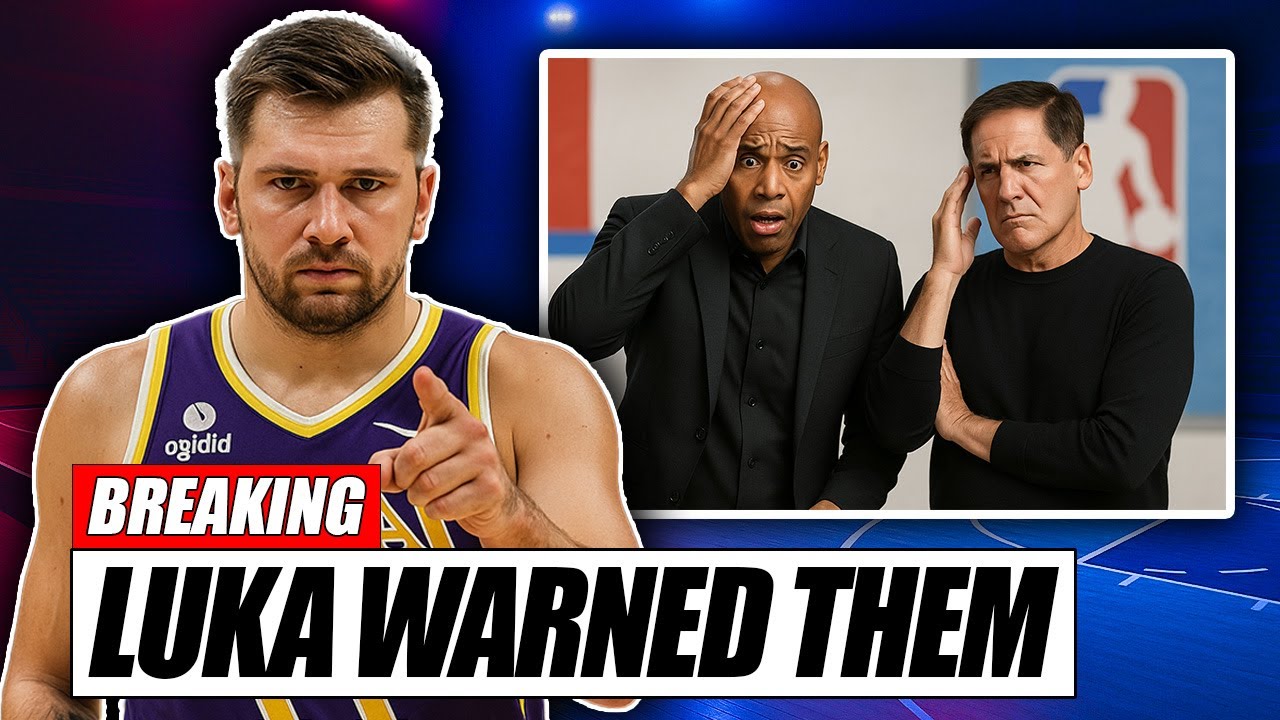
The architect of this unparalleled disaster was Nico Harrison. His arrival in Dallas was heralded as the beginning of a stronger, tougher era, defined by his insistence on discipline, defense, and structure. He promised to reshape the Mavericks from the inside out, instilling a new competitive backbone. Yet, the moment he made the franchise-altering decision to trade their generational cornerstone, Luka, everything he had promised—the identity, the discipline, the structure—vanished, replaced by a storm of tension and organizational pressure that kept building until the front office finally and publicly snapped.
The Clandestine Gamble That Ripped the Blueprint
Behind the scenes, the collapse had been brewing in the shadows of ambition. Insiders revealed that Harrison spent weeks locked in secret conversations with Lakers General Manager Rob Pelinka, becoming fixated on acquiring Anthony Davis as the anchor he believed would transform Dallas into a defensive powerhouse. His vision was a defensive juggernaut built on physicality and rim protection, a philosophy he championed with the unwavering mantra: “Defense wins championships.”
But this vision clashed violently with the reality of the roster, which had been meticulously constructed around the offensive genius of Luka for years. The attempt to flip the franchise’s DNA overnight was not just bold; it was reckless and showed a profound underestimation of the team’s culture and its relationship with its star. Scouts and basketball operations staff were reportedly stunned and blindsided, feeling that the entire blueprint they had dedicated years to creating was tossed out without so much as a proper warning. Whispers circulated that Harrison harbored deeper anxieties about Luka’s long-term fit, specifically his perceived defensive limitations or the daunting Supermax contract looming on the horizon. Whether true or exaggerated, these fears provided the twisted logic for the decision that ultimately broke the franchise.
The depth of the organizational misalignment was laid bare by the franchise’s former shepherd, Mark Cuban. When Harrison initially called him about the trade, Cuban assumed they were merely discussing hypothetical scenarios, not finalizing a deal. It was only when the trade’s details were irrevocably locked that Cuban realized the enormity of the completed transaction. His later admission that he would never have approved the deal—coming from the man who shaped the franchise for decades—made the situation sting even more, showcasing just how far out of alignment Harrison’s aggressive, singular vision had pulled the front office.
The On-Court Chaos and the Cost of Hubris

The trade’s consequences materialized with devastating speed. The Mavericks opened the 2025-26 season losing eight of their first 11 games, marking one of the worst starts in franchise history. The defense, which Harrison had promised would improve, collapsed to a miserable 116.8 defensive rating, plummeting them into the bottom five of the league. Meanwhile, the offense—the area that sustained the team for years—crashed to last in efficiency. The team looked completely lost, playing at a breakneck pace without any scoring efficacy. It was not a system; it was chaos. Mistakes piled up, blowout losses became the norm, players looked visibly frustrated, and the coaches seemed overwhelmed by an identity they never asked for.
The centerpiece of Harrison’s audacious gamble, Anthony Davis, proved to be the riskiest bet of all. After a brief, strong debut, Davis succumbed to his long-established history of injuries, missing 18 straight games with an adductor strain. When he returned, the struggles continued, and in a move that spoke volumes about the failed vision, the Mavericks were eventually forced to send him to the G League to secure controlled reps. Everyone in the league, save for Harrison, seemed to understand the risk of betting the franchise’s future on a player with a persistent track record of injury woes. Disaster, in all its devastating finality, is exactly what Dallas received.
The City’s Cry: “Fire Nico!”
The collapse was not confined to the court; it hemorrhaged into the arena and the city itself. Fans packed the arena not to celebrate the future, but to scream “Fire Nico!” until the sound filled every inch of the building, a visceral, audible demand for accountability. Off the court, the damage was even harder-hitting. Attendance dropped significantly, businesses around the arena reported smaller crowds, and merchandise sales cratered.
Then came the decision that pushed an already furious fanbase completely over the edge: the front office chose to raise ticket prices by a staggering 8.61% immediately after trading away the face of the franchise. It was an act of financial arrogance that enraged the city. The digital backlash provided a public referendum on the management’s performance, with nearly 700,000 followers unfollowing the Mavericks’ official Instagram account. This wasn’t a random number; it was a city’s message written in public view, a mass vote of no confidence confirming that trust had been irrevocably shattered.
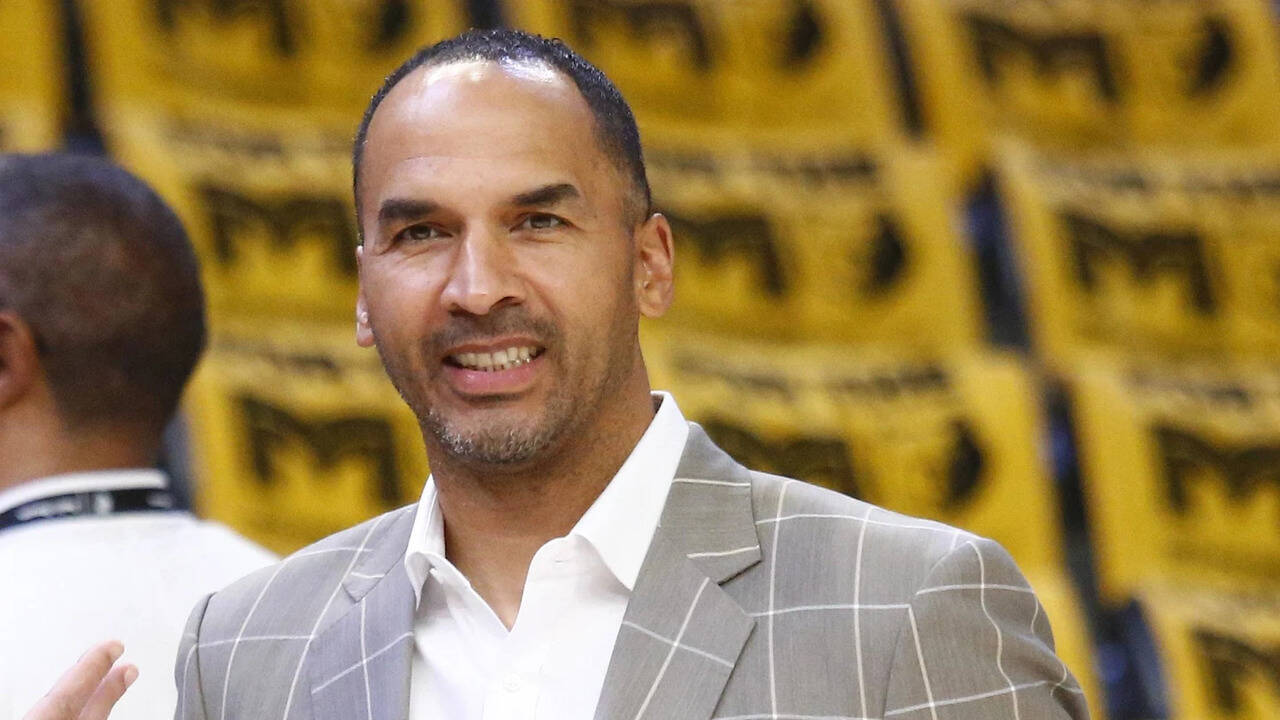
Governor Patrick Dumont finally stepped in, ending Harrison’s tenure with a carefully worded statement that, despite its attempts at respectability, amounted to a clear admission that the franchise required an immediate, comprehensive reset. Michael Finley and Matt Ricardi were elevated to interim General Managers, tasked with stabilizing a storm they had no hand in creating.
Luka’s Precision: The Michael Jordan Moment
While Dallas crumbled, Luka thrived in Los Angeles. The moment he donned the Lakers jersey, he ascended to a different tier of superstardom, averaging a breathtaking 34.4 points, 8.9 rebounds, and 8.9 assists, leading the league in scoring. The Lakers won 28 of the 38 games he played, and the star’s gravitational pull immediately translated into record-breaking viewership. TV ratings spiked to numbers networks hadn’t seen in years, his debut pulling 2.55 million viewers. His jersey became the top seller across the league, and the Lakers’ merchandise sales jumped to number one. Even the NBA’s official social accounts effectively morphed into perpetual Luka highlight machines.
Luka did not resort to trash talk or angry responses. His revenge was quiet, precise, and dominating. Teammates lauded his impact; Austin Reeves noted that Luka made “everything smoother and easier,” while Rob Pelinka publicly hailed him as “the best player in the world.” When the person controlling your franchise publicly calls you the best on the planet, everything—game plans, roster moves, and team identity—begins to revolve around you. Dallas had traded that away, voluntarily, for nothing remotely close to equal value.
When Harrison was finally fired, a reporter asked Luka for his thoughts. The response was delivered with a smirk and a short, understated line that immediately exploded online: “We could not be more grateful for you choosing this partnership.” It was a moment of cold, sharp finality—a Michael Jordan moment. Just as Jordan once ended a comparison to Clyde Drexler by dropping 35 points in a single half, Luka ended the conversation by simply dominating the league on the opposite coast.
Harrison’s rigid defensive system, the one he traded the franchise’s future for, never matched the roster. Before the trade, Dallas held a middle-of-the-pack defensive rating; after the trade, it fell off a cliff. Opponent’s points per game jumped from 112 to nearly 119. The team lacked belief, cohesion, and, crucially, alignment. Harrison had fatally underestimated the roster, the chemistry, the culture, and the sacred bond between Luka and the city.
Leadership is not about interview rhetoric; it is about trust and understanding what your team truly needs. The reality is simple and devastating: the trade did not just fail; it destroyed the very foundation of the Mavericks organization. Dallas is now left trying to rebuild a sense of self and stability, while the superstar they let slip away continues to shine, night after night, in Los Angeles, an omnipresent, painful reminder of the truth behind the catastrophic decision.