The Common Denominator: J.Lo’s Controversial Interview Sparks Global Debate on Accountability After Four Divorces
The headlines never stop following Jennifer Lopez. For decades, the global superstar has effortlessly commanded every stage, every red carpet, and every corner of the pop culture landscape. Yet, in the wake of her high-profile divorce—the second time with Ben Affleck, and her fourth overall—the conversation has abruptly shifted from celebration to scrutiny. A recent, highly-anticipated interview, where Lopez opened up about her relationship history, was intended to be a moment of vulnerable reflection. Instead, her comments have become a cultural flashpoint, igniting a ferocious debate across social media about personal accountability, the nature of self-love, and the painful mathematics of four failed marriages.
The sentiment that has drawn the most intense fire is a claim of external fault. Discussing her history of heartbreak, Lopez reportedly suggested that the issue was not her “lovability,” but rather the inability of her partners to meet her needs. “It’s not that I’m not lovable, it’s that they’re not capable,” she stated, suggesting that the men she was with were simply not up to the task of truly loving her. For a star who has worn six different engagement rings and walked down the aisle four times, this declaration struck many listeners as a profound and shocking lack of self-awareness.
The immediate reaction, particularly on platforms like TikTok, was not sympathy, but an almost universal call for accountability. The backlash quickly crystallized around a simple, yet brutal, mathematical principle: the common denominator.
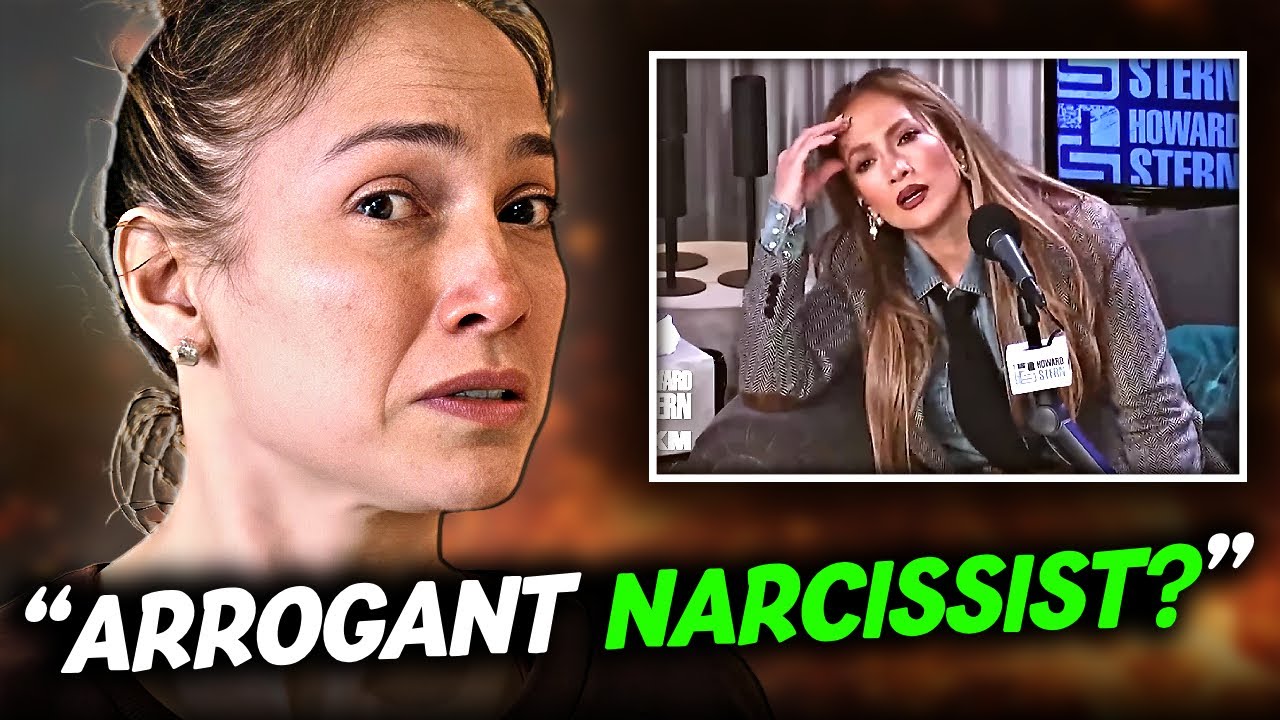
The Equation of Heartbreak: A Pattern of Committing, Not Completing
To understand the intensity of the reaction, one must examine the dizzying trajectory of J.Lo’s love life. Her history is a pattern of spectacular public commitments that eventually dissolve into equally spectacular public divorces. Her first marriage, a quick knot-tying with waiter Ojani Noah in 1997, ended within a year. She followed this with a union to dancer Cris Judd (2001-2003), another short-lived venture. The first Bennifer era was a cultural phenomenon, culminating in a 2002 engagement that was ultimately postponed and split. She then settled into a decade-long marriage with Latin music icon Marc Anthony (2004-2014), a relationship that produced her twins, before it too ended in divorce. Finally, the dramatic rekindling with Ben Affleck, a 2022 wedding that felt like a Hollywood fairytale, ended less than two years later in a 2024 divorce filing.
The core of the popular critique is that in all these failed attempts—four marriages, six engagements—the only consistent variable has been Jennifer Lopez herself. “If the number on the top is always change in this equation,” one commentator observed, “then you at the bottom you never change. That means that in all the failed marriages and all the failed love attempts and all the failed relationship, you are the common denominator in all of this.”
This argument strips away the celebrity veneer and asks a pointed, human question: at what point does a pattern of failure cease to be a string of bad luck and start becoming evidence of an internal dynamic? Critics argue that repeatedly seeking out a partner without first doing the necessary internal work is the equivalent of trying to make constant withdrawals from a bank account that one has never bothered to fill. Lopez, they argue, has consistently shown up for the relationship, but perhaps not for the unglamorous, private, foundational work required to sustain it.
The Missed Step: A Lifelong Quest for External Validation
The most damning part of the interview, for many, was Lopez’s decision to follow up her divorce with the announcement that she is finally going to “focus on me” and engage in “self-care” and “real healing.” For a woman who has spent decades in the public eye, this feels like an admission that the core groundwork of emotional stability was perpetually skipped. The commentary is unified: that crucial introspection, that time for healing and self-knowledge, should have been the deposit made before the first ring was flashed, not the belated action taken after the sixth engagement failed.
The public perception is that Lopez is caught in a self-perpetuating loop: she seeks massive, headline-making commitments to validate her sense of self, but without a solid personal foundation, the relationships inevitably crumble. The commitment is always “big love moments, big rings,” but the actual emotional investment—the grounding set “when no cameras are zooming in”—has not been as bold as the public display. The desire to “receive love, loyalty, consistency” is universal, but it cannot be fulfilled if one is constantly expecting a partner to complete a circuit that only self-love can close.
This idea challenges the celebrity narrative of finding “The One.” Instead, it suggests that until she breaks the cycle of externalizing her happiness, she will continue to find herself standing alone in the metaphorical wedding photo.
The Unsavory Side Plot: Cheating Allegations and the Business of Bennifer
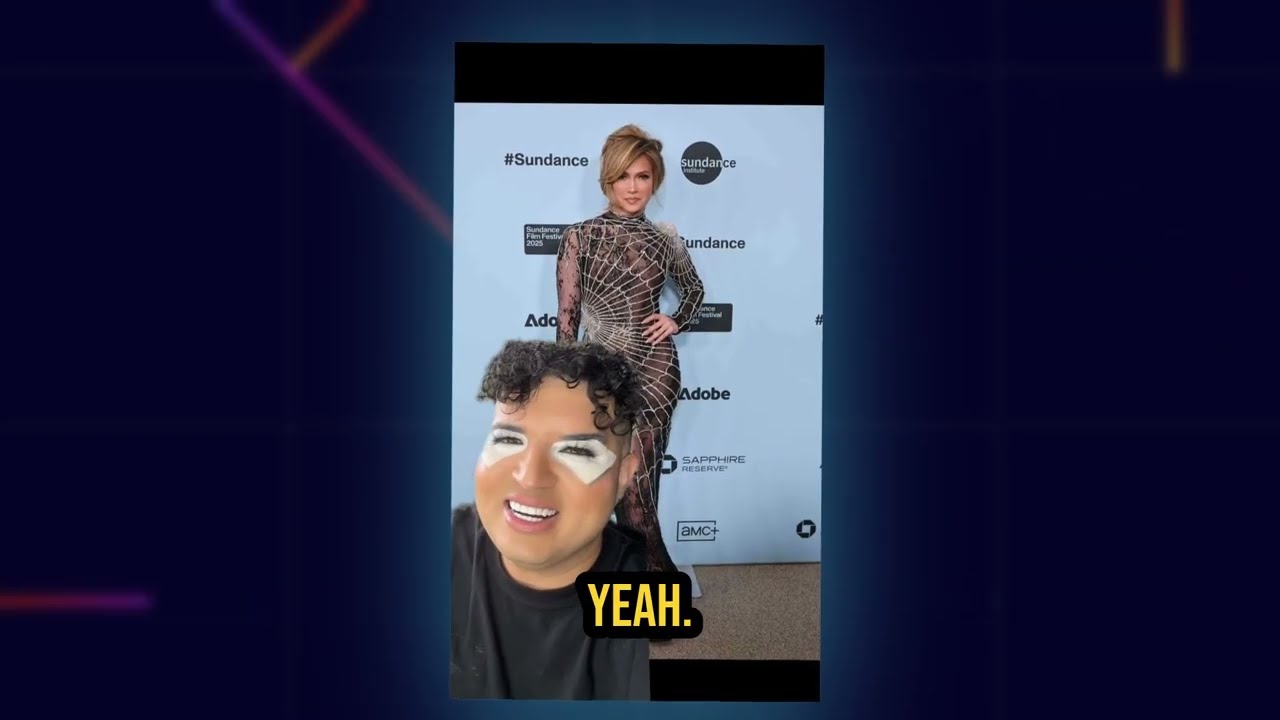
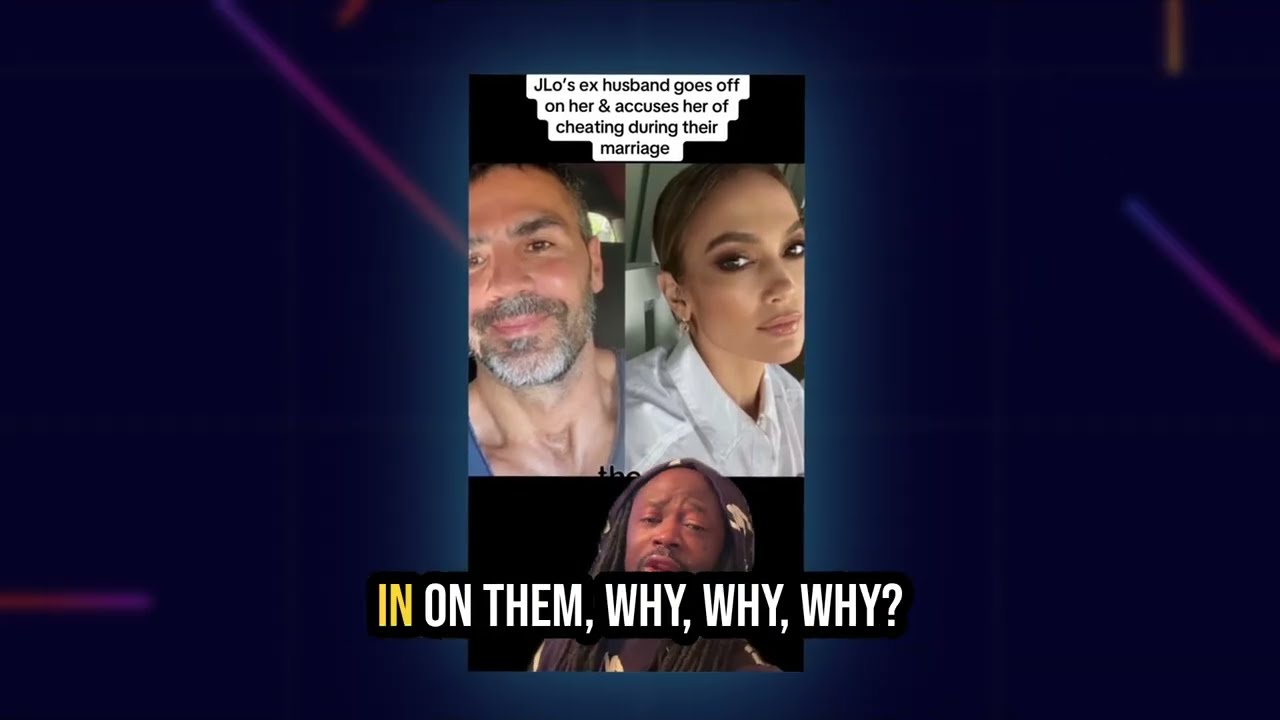
Adding a sensational layer to the already explosive debate are claims resurfacing from an ex-husband—widely believed to be Ojani Noah—accusing her of infidelity during their time together. These claims serve as a direct counter-narrative to Lopez’s positioning of herself as the flawless, unloved partner. If her own history contains instances of alleged marital transgression, then her ability to claim the moral high ground and label former partners as “incapable” of love is severely undermined. It exposes a painful gap between the carefully curated public image and the messy, contradictory reality of her personal life.
Furthermore, a cynical undercurrent weaves through the social media critique: the observation that J.Lo’s public relationship drama often seems to align with her career cycle. “Every time she gets a divorce, every time she gets married,” one observer noted, “an album drops, a movie comes out, merch, concert dates.” This isn’t just about celebrity gossip; it’s about the perceived commodification of one’s personal pain. If the failure of her marriages serves as a predictable catalyst for her next career resurgence, does it diminish the sincerity of her pursuit of lasting love? It forces the public to question if her vulnerability is genuine emotional reflection or a strategic media pivot.
A Cultural Conversation on Modern Love
The intensity of the “dragging” of Jennifer Lopez is not merely celebrity schadenfreude; it’s a global conversation on a crucial element of modern relationships: self-accountability. Her status as a successful, rich, and famous woman does not exempt her from the rules of emotional reciprocity and self-awareness that apply to everyone else. The public is not demanding perfection, but rather a simple acknowledgment that when a pattern repeats four times, the source of the problem may lie closer to home.
The path of “real healing” that Lopez has announced is the right one, but as critics have pointed out, the real pivot is not just stopping the cycle, but doing the hard, deep, internal work she has ostensibly skipped in the last three decades of public romance. Her controversial interview has unexpectedly made her a reluctant symbol for a generation grappling with relationship patterns—a high-profile case study proving that no amount of fame, fortune, or public affection can substitute for a quiet, foundational love of self. The world is watching to see if her fifth attempt at love, beginning with this newfound focus on self, will finally break the common denominator equation.