Durham, North Carolina — The atmosphere at the Team USA training camp in Durham this December should be one of unbridled celebration. The court is teeming with an embarrassment of riches: established superstars like A’ja Wilson and Breanna Stewart sharing the hardwood with the next generation of icons, including Paige Bueckers, JuJu Watkins, and the WNBA’s reigning Rookie of the Year, Caitlin Clark. Yet, beneath the squeak of sneakers and the swish of nets, a heavy shadow looms over the proceedings—a threat so significant that it could derail the most explosive momentum women’s basketball has ever seen.
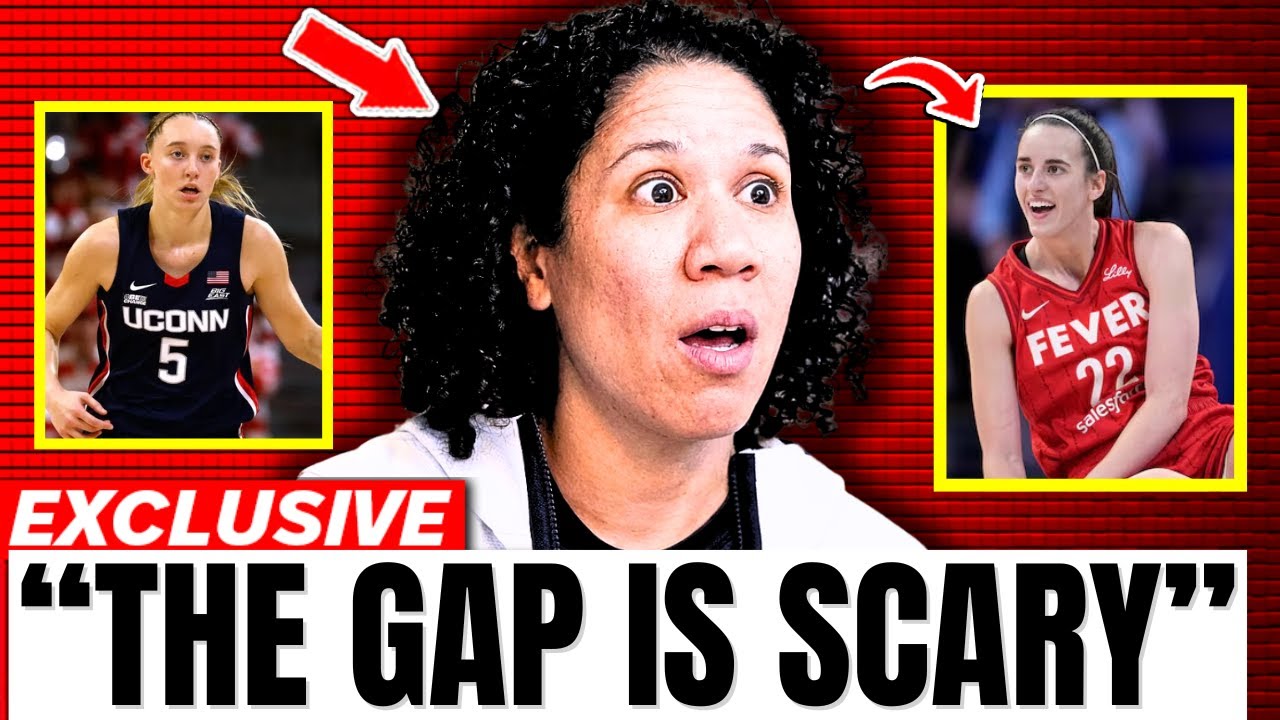
While fans on social media are breathlessly dissecting viral clips of Paige Bueckers hitting a step-back three over Caitlin Clark, the real drama is unfolding off the court. In a candid and surprisingly blunt interview, Caitlin Clark has issued a stark warning to both the WNBA and the Players Association regarding the tense Collective Bargaining Agreement (CBA) negotiations: “Do not mess this up.”
The Stakes Have Never Been Higher
The reality facing the WNBA is a paradox of historic proportions. On one hand, the league is enjoying a golden era. The 2024 season shattered records with a 70% jump in TV viewership and attendance surging by 48%. New media rights deals worth $2.2 billion over 11 years have been signed, and franchise values are skyrocketing, with expansion fees hitting $50 million. On paper, the league is thriving.
However, a ticking clock threatens to undo it all. The league and the players have until January 9, 2025, to finalize a new CBA. Failure to do so could result in a lockout or a strike, effectively cancelling the 2026 season. It is a “nuclear option” that would halt the sport’s growth in its tracks just as it is beginning to sprint.
Caitlin Clark, often celebrated for her on-court prowess, demonstrated a sophisticated understanding of the business landscape during the camp. “This is the biggest moment in the history of the WNBA, and I don’t want that to be forgotten,” Clark stated, her tone serious and urgent. “You have a boom that we have never seen in the history of this league. Do whatever you can to not mess it up.”
A Call for Compromise
Clark’s comments cut through the typical PR jargon often heard during labor disputes. She acknowledged the validity of the players’ demands—which include universal charter flights, increased revenue sharing, and better compensation—but she prioritized the survival of the product itself.
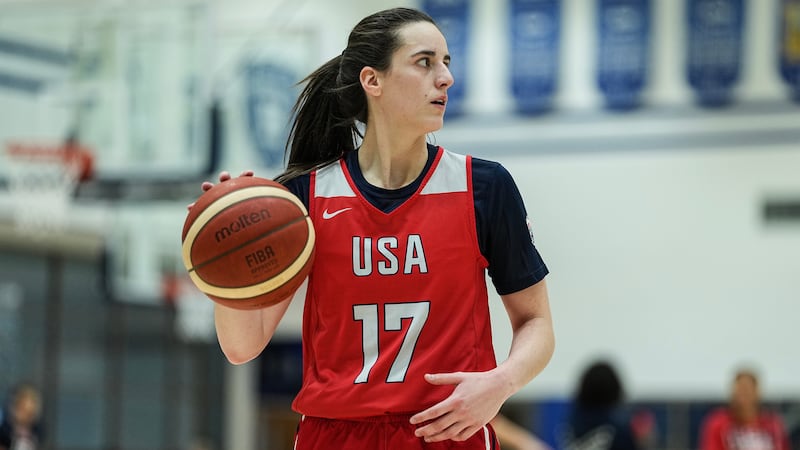
“It’s business and it’s a negotiation and there has to be compromise on both sides,” Clark emphasized. Her message is clear: the pursuit of a “perfect” deal cannot come at the cost of the season itself. “I think there are different things that we can find ways to say no [to]… and then other things that we can probably compromise on.”
This pragmatic stance highlights a terrifying truth. Unlike the NBA, which has the financial reserves and century-long history to weather a lockout, the WNBA is still cementing its foundation. A lost season in 2026 wouldn’t just be a pause; it could be a regression, alienating the millions of new fans who tuned in specifically to watch stars like Clark and Angel Reese. As the narrator of the report noted, “You cannot hit pause on building something when you’re only halfway through construction.”
The Product on the Floor
The tragedy of a potential work stoppage is amplified by the sheer quality of basketball currently on display. The viral footage from the Team USA camp—specifically the battles between Clark and Bueckers—offers a tantalizing glimpse of the future. In one widely shared clip, Bueckers uses a pump fake and a side-step to drain a three-pointer over Clark.
Critics tried to spin the moment as a negative for Clark, but the reality is quite the opposite. This level of competition—two generational talents sharpening iron against iron—is exactly what fans crave. “This is the kind of basketball that so many WNBA fans have been missing,” the report observed. It represents the “product” that Clark insists must be protected at all costs.
Clark herself looked rejuvenated during the training sessions. After not playing in a competitive game since late September, she appeared fast, strong, and visibly happy. Her shooting mechanics were crisp, and her defensive positioning against elite talent like Bueckers showed a fundamental soundness often overlooked by her detractors. These training sessions are a proof of concept for what the WNBA can become: a league where the best players in the world battle intensely every night.
The looming Deadline

With the January 9th deadline rapidly approaching, the gap between the two sides remains “scary,” according to insiders. Kelsey Plum, another Team USA star, described the discussions as “disheartening,” noting that the parties remain far apart. The players feel they have earned a larger slice of the pie, pointing to the massive revenue influx. The league, conversely, cites years of financial losses and the need for sustainable growth.
Both arguments hold water, but neither will matter if the stadiums remain empty in 2026. Clark’s ultimatum serves as a reality check for everyone involved. She reminds the negotiators that the leverage they are fighting for dissolves the moment the fans lose interest.
“We need to play basketball,” Clark said simply. “That’s what our fans crave… and at the end of the day, that’s how you make the money.”
Conclusion
The coming weeks will define the next decade of women’s basketball. The WNBA is standing on the precipice of becoming a major global sports powerhouse, fueled by transcendent stars and a hungry fanbase. But it is also standing on the edge of a cliff.
Caitlin Clark has done her part. She has delivered on the court, and now, she has delivered a crucial message off of it. The question remains: Will the power brokers of the WNBA listen to their biggest star, or will they let pride and stubbornness destroy the most promising moment in the history of the sport? The clock is ticking.