In the high-stakes theater of the National Football League, where a single Sunday can redefine a season, two compelling narratives have converged to create an explosive focal point: the perceived “fragility” of the Buffalo Bills facing their perennial nemesis, the Kansas City Chiefs, and a brewing crisis surrounding the Chicago Bears’ highly touted rookie quarterback, Caleb Williams. These two stories, separated by geography but united by the immense pressure of championship aspirations, reveal the psychological toll and unforgiving scrutiny that defines elite professional football.
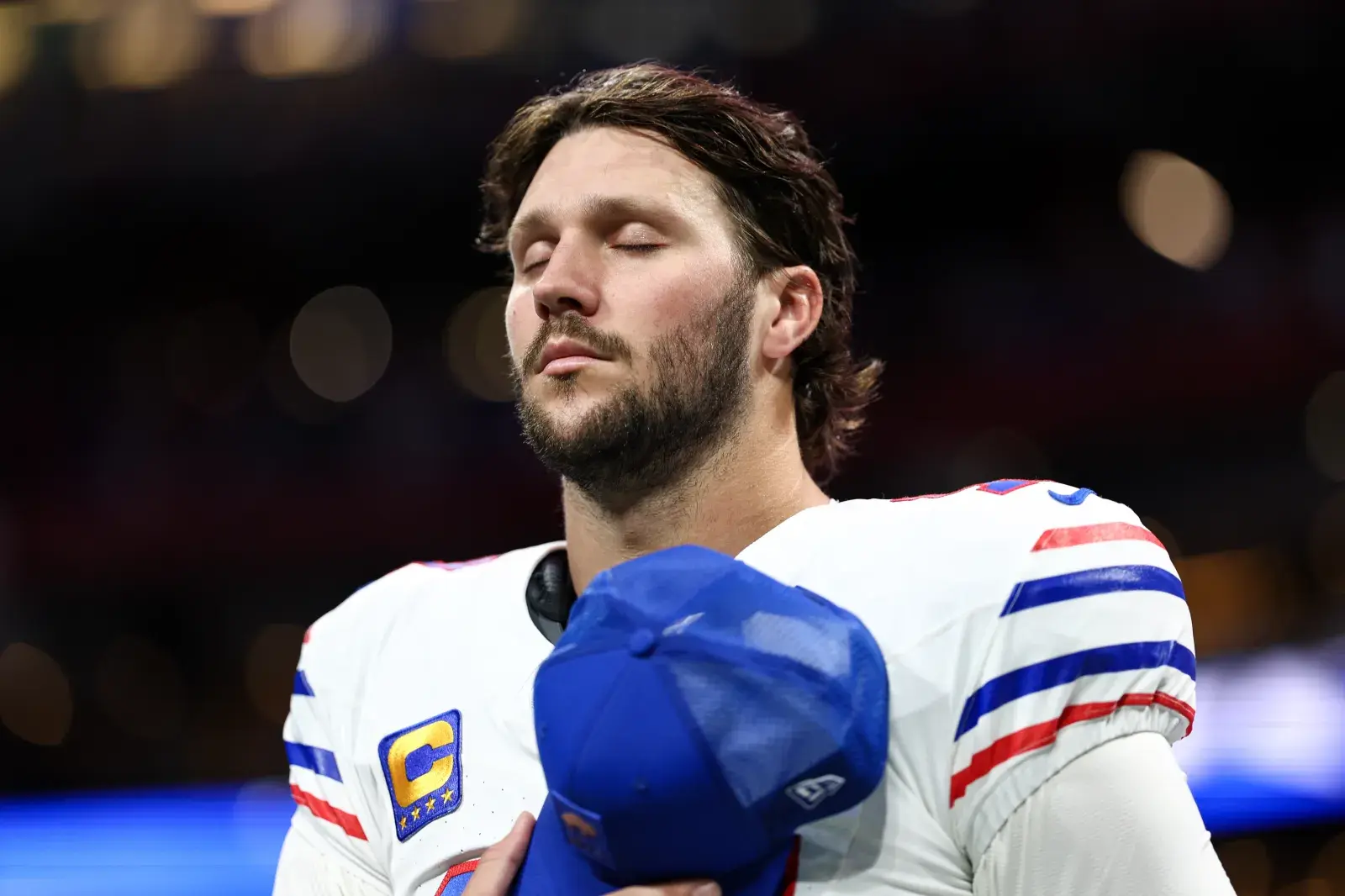
The conversation that has ignited passionate debate centers squarely on the AFC rivalry that has dominated the conference landscape for years. The Bills, an organization that has consistently delivered stellar regular seasons, finds itself at a precipice. They have won their division five years running and made the postseason six straight times, yet the specter of the Chiefs, particularly in the playoffs, has become an insurmountable mental hurdle. As one observer bluntly put it, the Bills’ current state is one of “fragility.”
A Must-Win for the Soul: Buffalo’s Psychological Burden
While the Chiefs have a regular-season losing record against Buffalo, the script has flipped emphatically in the postseason, where Patrick Mahomes and Andy Reid have won all four matchups, often delivering soul-crushing blows. This history creates an undeniable psychological element that transcends the regular-season standings. The Bills are trapped in a cycle: they beat the Chiefs when it doesn’t matter, and they fall short when it does. This Week 9 clash is being framed as a “must-get” game—not for playoff seeding, but for the team’s mental survival.
The Bills are currently not in first place in the AFC East, facing pressure from the resurgent New England Patriots. In a conference where both the Bengals and Ravens are currently navigating seasons with backup quarterbacks, the opportunity for Buffalo to seize control and affirm their dominance should be clear. If they cannot take care of business now, against a Chiefs team that already has three losses, the question becomes: when? The fear is that a loss would not merely be a setback but an institutional failure, confirming the narrative of their deep-seated vulnerability.
“If they lose this week, I’m not looking at the Bills as a major threat,” stated a concerned analyst, highlighting the gravity of the moment. The psychological advantage the Chiefs hold is massive, and for Buffalo, they must beat the “big bad wolf” that is constantly standing in their path. To achieve their ultimate goal—a Super Bowl—the Bills must first prove their mettle against the measuring stick of the conference. A victory would do more for their confidence and their perception as a true championship threat than almost any other game this season.
The Chiefs’ Uncharacteristic Urgency
Conversely, while the consensus holds that the game is more critical for the Bills, the Chiefs are not without their own pressure. Three losses this early is uncharacteristic for a team with Super Bowl aspirations, forcing them to operate with a smaller margin for error. As one member of the panel argued, “four losses is a big deal, I don’t care who you are.” For Kansas City, a victory solidifies their position and provides necessary breathing room in a tight AFC race, especially with tough opponents like the Broncos and Colts coming up.
However, the prevailing sentiment is a testament to the Mahomes-Reid dynasty: analysts are “never worried” about the Chiefs in a big game scenario. Their history of success, including winning playoff games on the road in Buffalo and Baltimore en route to a Super Bowl, suggests a level of mental fortitude that the Bills have yet to demonstrate. For Kansas City, this is another game. For Buffalo, it’s a referendum on their entire operation. This profound difference in perceived pressure is what makes the Week 9 matchup an emotionally charged, do-or-die moment for the Bills’ season.
The Chicago Calamity: Caleb Williams and the Cracks in the Bears’ Foundation
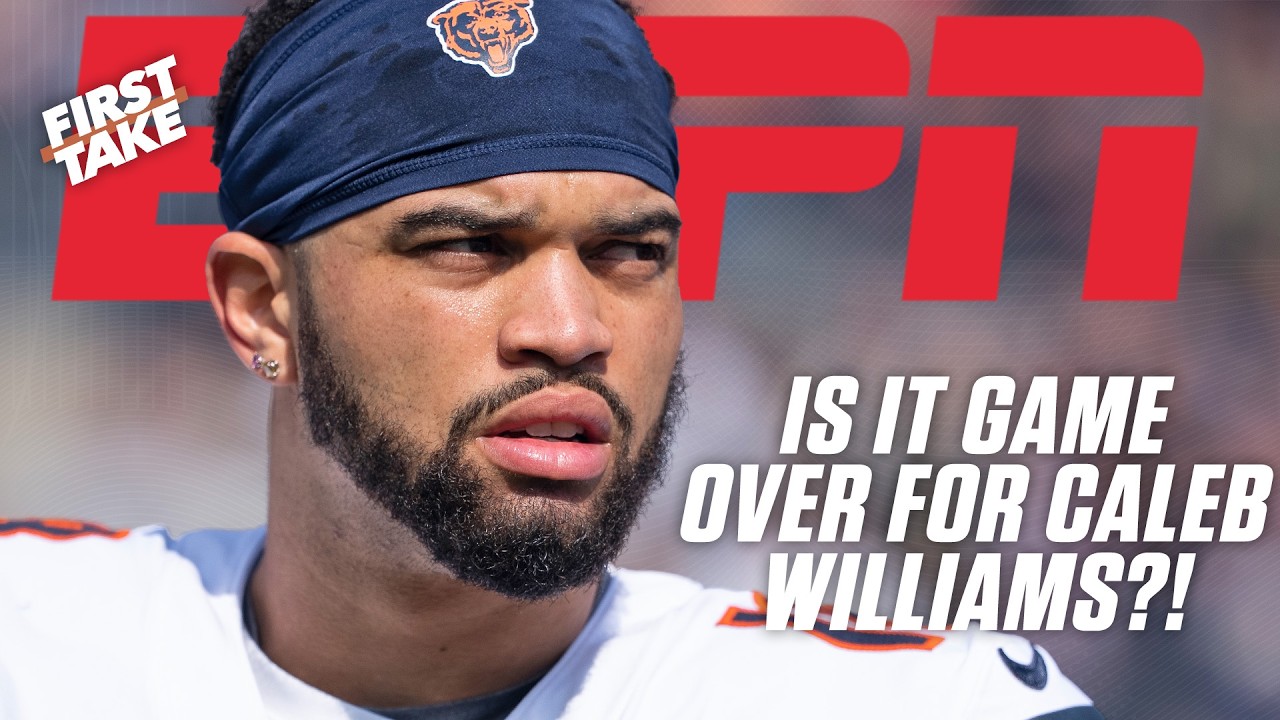
Far from the AFC divisional race, another crucial debate is unfolding in Chicago, casting a shadow over the development of their franchise quarterback, Caleb Williams. Following a 30-6 loss to the Baltimore Ravens, in which Williams threw a critical fourth-quarter interception deep in his own territory, the conversation has moved beyond mere statistics to focus on the alarming disconnect between the player and the coaching staff.
The interception itself was a painful moment, leading to an easy Ravens touchdown and halting the Bears’ four-game winning streak. But the real firestorm ignited in the post-game analysis, where a fundamental disagreement between Williams and Coach Ben Johnson was revealed. Johnson indicated that a safer option—the running back in the flat—was available and should have been taken. Williams, however, defended the throw, stating, “No, that was the right play. It was just a better play by Nate Wiggins, the corner.”
The core issue, as pointed out by analysts, is the dangerous rift created when “the play caller and the quarterback are not seeing the game the same way.” This issue flies directly in the face of Johnson’s stated number one priority upon taking the job: to ensure the quarterback and play caller are on the same page. This lack of logical coherence between the player and his coach is highly problematic and points to deeper developmental issues.
The Slow Processor and the Unlearned Habits

The scrutiny of Williams has intensified with unfavorable comparisons to other top rookie quarterbacks, such as Jaden Daniels and Drake May, both of whom have shown distinct advantages in their early careers due to superior coaching and mentorship. Williams is currently the lowest-rated quarterback when passing under pressure in the National Football League, completing only 42% of his passes. The clinical diagnosis is that he needs to become a “faster processor.”
This is compounded by his turbulent start in the NFL, having played under three different head coaches and four different offensive coordinators in his first 18 games. As a result, Williams may have developed bad habits in a system that lacked structure.
“He’s got habits that he learned in college where you can’t buy you can’t get that in the NFL,” an analyst noted. The process now for Ben Johnson is to teach Williams how they “win football games,” which means not putting the ball in harm’s way when backed up and learning to take “house money”—the check-down that gets a first down and moves the chains, even if it’s not the highlight-reel throw. The challenge is immense, as unlearning old, ingrained habits is significantly harder than simply learning new ones from a position of inexperience.
The Chicago Bears organization is now under fire for derailing Williams’ progress by not installing an offensive-minded head coach from day one, delaying his crucial developmental period. The question now is not merely about talent—which he possesses in abundance—but about the time it will take for him to shed his collegiate tendencies and truly align his vision with his coordinator’s. It is an uphill climb, and the fate of a long-suffering franchise rests on whether their prized, yet currently struggling, quarterback can adapt before his early struggles become a permanent narrative.
The psychological warfare between the Bills and Chiefs and the developmental crisis engulfing Caleb Williams serve as powerful reminders of the razor-thin margin between success and failure in the NFL, where mental fortitude and coach-player trust are as critical as arm strength and speed.