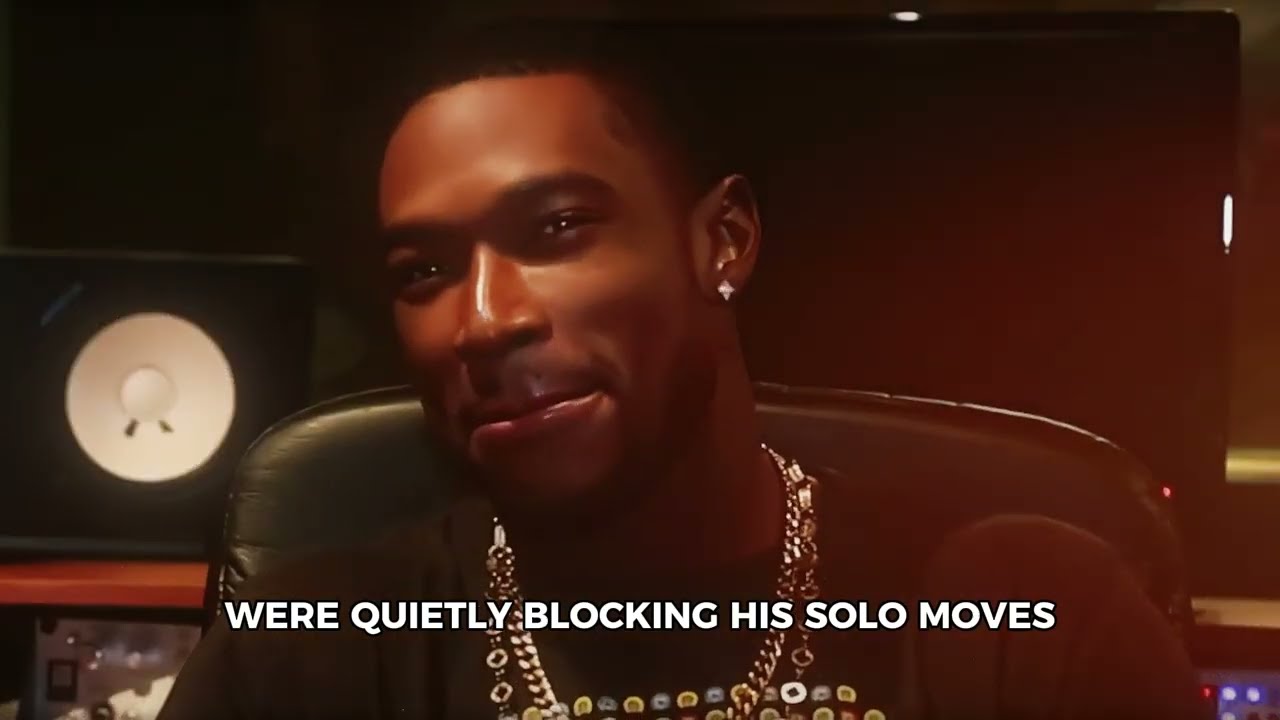
The music industry is a glittering, cruel spectacle, where yesterday’s success story can become today’s cautionary tale. Nothing illustrates this brutal reality quite like the dramatic, public unraveling of Kevin McCall, the Grammy-nominated talent who once stood shoulder-to-shoulder with Chris Brown, only to find himself in a devastating, viral financial and emotional crisis.
The world watched in stunned silence as the once-charting R&B star, responsible for penning some of the biggest hits of the 2010s, sat down for a podcast interview on October 20, 2025, and shattered the illusion of fame. In a moment of raw, painful honesty that immediately broke the internet, McCall, 40, pulled out his Electronic Benefits Transfer (EBT) card and placed it on the table. Through real tears, the man who helped Chris Brown’s comeback revealed he was now reliant on government assistance, unable to cover his monthly $2,000 child support for his daughter, Marley, or see his children, whom he claimed he hadn’t seen in over 10 years.
The contrast presented a stunning indictment of the music business. While Chris Brown was reportedly pulling in $90 to $100 million on his globe-trotting “Breezy Bowl 20” tour—performing smash hits that McCall co-created—McCall was shopping quietly, hoping not to be recognized while using his EBT card just to get by.
His emotional breakdown culminated in a direct, desperate plea to his estranged former brother-in-arms: “Bro, give me the $25,000 you owe me for those four tracks.” McCall asserted that his old CBE deal was invalid and had cheated him out of what he had earned, claiming the total unpaid royalties could realistically be approaching the $3 million mark. That single viral clip—a man reduced to tears over a sum representing less than a fraction of what his former partner earns in a single concert—forced a national conversation about the unforgiving nature of fame, ownership, and the sanctity of business relationships in a high-stakes, chaotic culture.
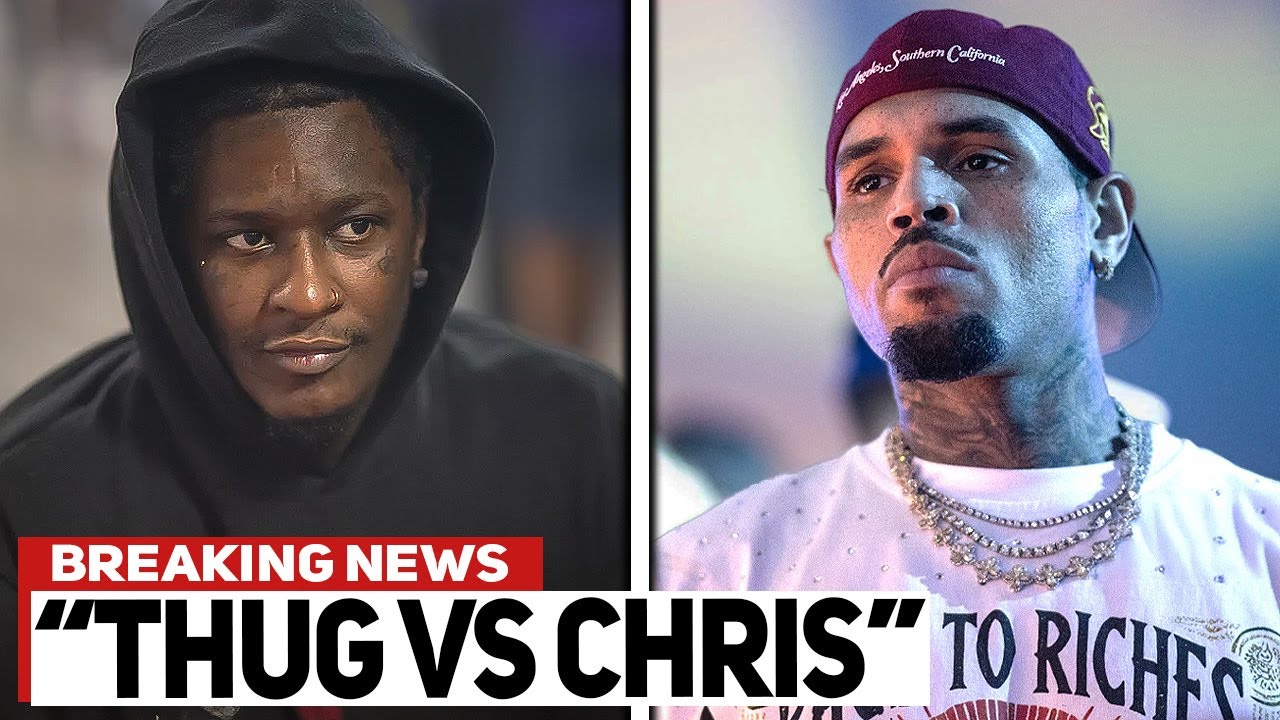
The Unexpected Intervenor: Young Thug Steps In
The fallout was instantaneous, splitting the internet between sympathy for a struggling artist and those who saw the breakdown as a consequence of years of poor personal choices and public feuds. But just as the narrative was solidifying, a major, unexpected player stepped into the chaos: Young Thug.
Freshly released from his own high-profile legal battle, Young Thug demonstrated a powerful new focus on unity and compassion. On October 21, 2025, Thug publicly reached out via Twitter, offering a gesture that stunned the industry: “Kevin McCall hit me bro i’ll give you the $25,000 you need and I know CB would too he’s just busy sometimes.”
Thug’s move was a rare, powerful act of mediation. By offering to personally cover the disputed amount, he achieved two things: he showed genuine compassion to a man in crisis, and he simultaneously provided cover for his close friend, Chris Brown. Thug and Brown share a fierce, years-long bond forged through musical success, like their hit 2020 Slime & B mixtape, and deep loyalty, with Brown publicly standing by Thug throughout his two-year RICO trial. Thug’s intervention was a masterclass in walking a tight line, attempting to bring peace to a toxic situation while protecting his friend’s name, framing Brown’s silence not as coldness, but as simple professional preoccupation.
Chris Brown’s Icy, Unforgiving Rejection
For a brief, hopeful moment, it seemed that Young Thug’s olive branch might lead to a resolution. McCall quickly responded, appreciating the gesture and confirming he was messaging Thug.
However, Chris Brown quickly and definitively slammed the door shut on any potential reconciliation. On October 22, 2025, Brown took to Instagram Stories and dropped a message that was icy, dismissive, and instantly viral: “Remember this: you can’t walk across a burnt bridge and you know what’s funnier than a troll? A broke one.”
The message was a devastating, final blow, making his position crystal clear: no reunion, no forgiveness, and certainly no payout. Chris Brown had chosen the path of permanent, public rejection. The public opinion that followed was volatile, yet predictable. While some condemned Brown for mocking a struggling man in a mental health crisis, the majority of the public, estimated at around 70%, sided with the superstar. Their reasoning was rooted not in the current business dispute, but in a horrific, uncrossable line McCall had years ago.
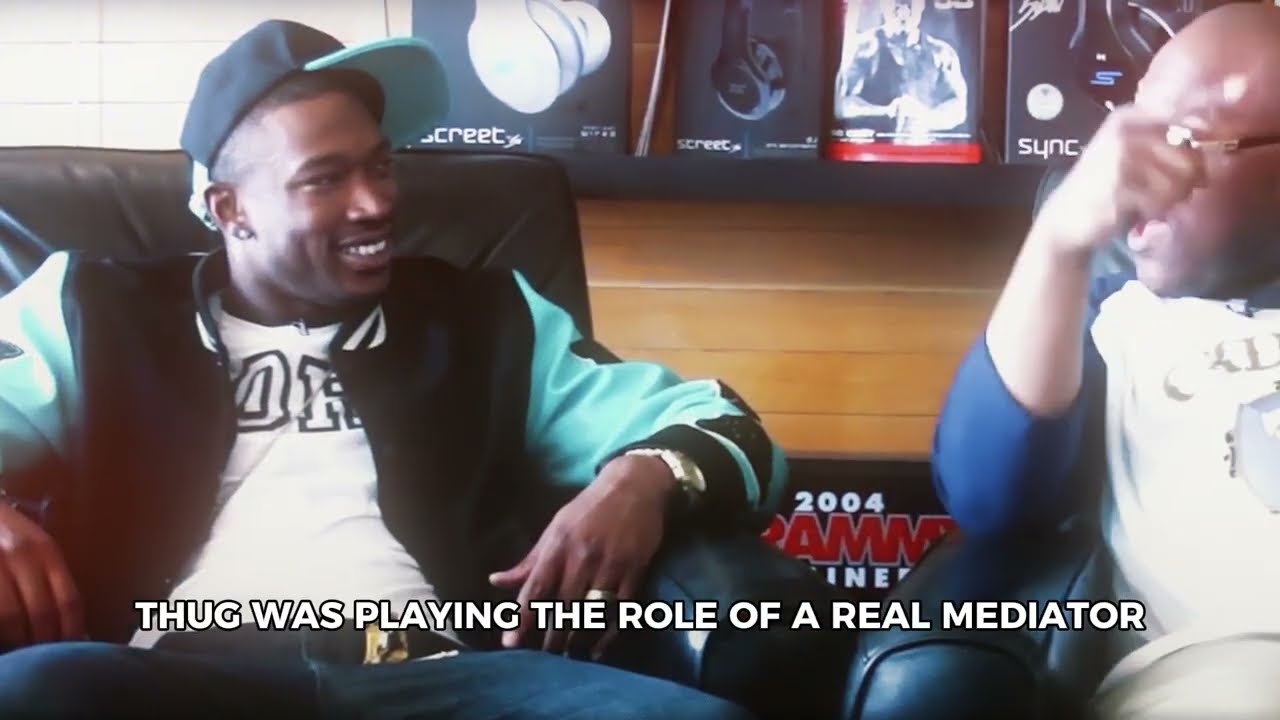
The Brotherhood That Made Millions: From Watts to Platinum
To understand the intense bitterness of the feud, one must first appreciate the depth of the “brotherhood” that preceded it. The relationship between Chris Brown and Kevin McCall was not a typical industry collaboration; it was a partnership born of raw ambition that defined a new era of R&B.
The story began in 2009, when a hungry, post-college Kevin McCall, chasing dreams beyond his roots in Watts, Los Angeles, seized a chance moment. He boldly pitched his demos to Chris Brown, who was then 20 and navigating the difficult process of rebuilding his career. Impressed by the sheer determination, Brown invited McCall to the studio, sparking what McCall would later call a “magical era.” Brown eventually signed McCall to his CBE (Chris Brown Entertainment) label, making him his official protégé.
Together, the duo became an undeniable force. Their creative chemistry was on full display in 2010 with the breakup anthem “Deuces,” featuring Tyga. The song peaked at No. 14 on the Billboard Hot 100, earned a Grammy nomination, and was McCall’s first life-changing success, netting him six figures in royalties—money that validated the risk he took.
McCall’s pen was also instrumental in Brown’s subsequent success. He co-wrote and was featured on the 2011 hit “Strip,” and most notably, he helped craft “Look at Me Now,” the massive track featuring Busta Rhymes and Lil Wayne that became Brown’s first number one record. McCall’s contributions were spread across Brown’s F.A.M.E. album, the project that cemented Brown’s full comeback and earned him his first Grammy Award. For a time, Brown even referred to McCall as “my big brother,” a sign of the genuine trust and family dynamic that underpinned their studio sessions.
The Shattering: Business, Betrayal, and the Diss Track
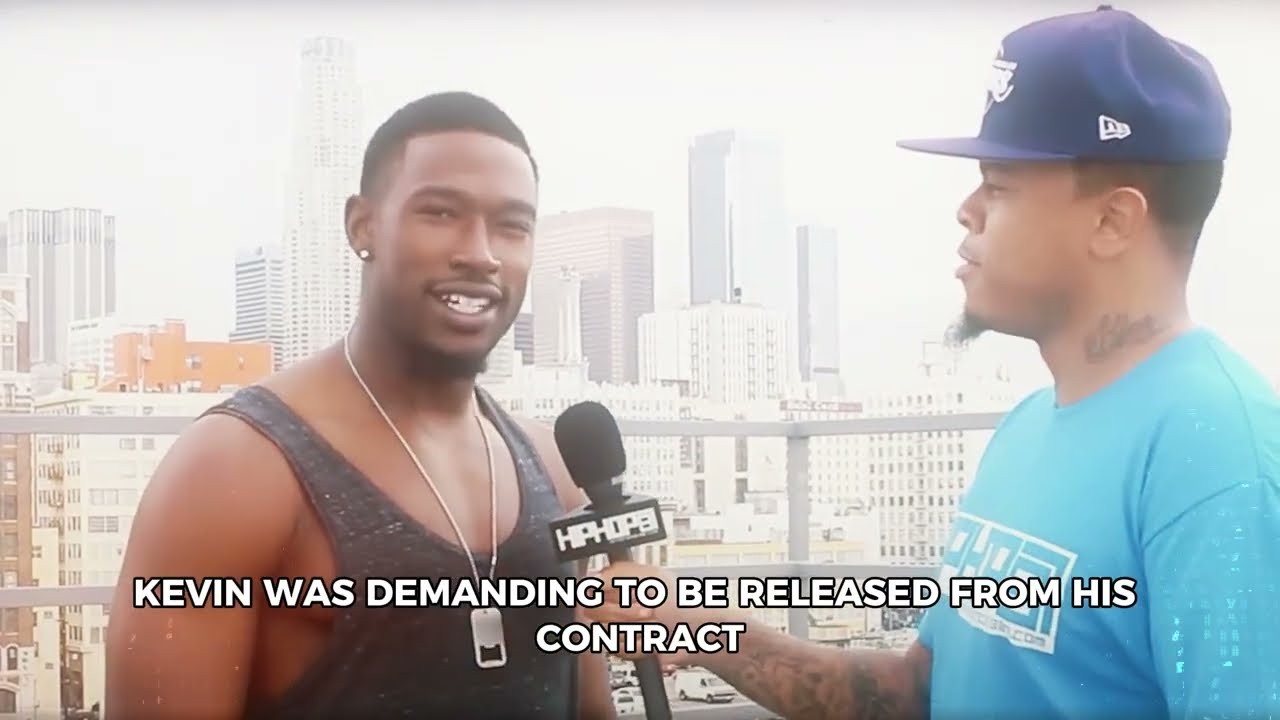
Cracks began to show around 2013, when McCall felt his personal artistic direction was being stifled. He claimed he was “boxed in,” losing control of his sound and image under CBE’s direction. The final breaking point came in 2014 when McCall decided to step out of Brown’s shadow, collaborating with actress Keke Palmer on “Shorty Want a Ride.”
According to McCall, Brown’s reaction was not one of support but of anger, allegedly threatening to block McCall’s progress in the industry. For a man from Watts, the feeling of being disrespected and controlled was a line he couldn’t accept.
The tension escalated in 2016. McCall went public, tweeting at Brown that they needed to “sit down and handle this business,” claiming his “kindness is being taken for weakness.” Brown’s response was swift and fiery. He posted a long, emotional message on Instagram accusing McCall of being ungrateful and attempting to bring him down, turning the business dispute into a savage personal feud.
The back-and-forth continued into 2017, with McCall dropping a diss track, “Baruchi,” a petty play on the name of Brown’s ex, Karrueche, admitting he did it purely “to get under Chris’s skin.” The ultimate symbolic act came later that year when, in a moment of pure, bitter rage, McCall took his platinum plaque for “Deuces”—the very song that changed both their lives—and publicly smashed it on camera, declaring, “Deuces to my past.” Brown’s reply was cold, final, and crushing: two emojis, one blank, one laughing, signaling that McCall was no longer even worth a verbal response.
The Unforgivable Line: Crossing the Family
Despite the diss tracks, the challenges to fight, and the smashed plaques, many in the industry believed a financial resolution was still possible. After all, money owed is money owed. But in 2018, Kevin McCall made a series of moves that instantly vaporized all public sympathy and provided Chris Brown with permanent, unassailable justification for his current hardline stance.
On January 6, 2018, McCall tweeted a string of “alarming threats” that targeted Chris Brown’s daughter, Royalty, and his family. In hip-hop, and indeed in life, there are certain lines that are simply deemed unforgivable, and bringing a child into a feud is universally one of them. The backlash was immediate and overwhelming. Fans, industry insiders, and even former supporters condemned the comments, asserting that no amount of alleged business betrayal could excuse threatening a child.
McCall tried to walk back the statements, claiming he was only speaking “symbolically” and professed love for Brown and his daughter, but the damage was done. The posts had overshadowed every valid concern about unpaid royalties and broken contracts. They cemented public opinion against him and gave Chris Brown an unassailable moral high ground from which to deliver the final, crushing blow.
Brown himself later alluded to the situation in a resurfaced 2020 interview, subtly flexing his success while delivering a cold, cutting question to his former protégé: “If he wrote all those songs he claims he did, why he ain’t writing hits now?”
The current drama—the EBT card, the public plea, the Young Thug intervention, and the “broke troll” retort—is not just a financial dispute; it is the tragic final act of a destroyed brotherhood. It is a cautionary tale of how fame can be fleeting, how business negligence can lead to ruin, and, most powerfully, how one single, savage moment of personal betrayal can justify permanent, uncompromising rejection, leaving a Grammy-nominated talent completely exposed and utterly alone. The question for the industry now remains: can the principles of professional business—the paying of alleged debts—ever override the unforgivable line of a personal threat? For Chris Brown, the answer is demonstrably no, a stance the majority of the public, still remembering the 2018 threats, seems to grimly endorse.R