The statistics don’t lie, yet for the Kansas City Chiefs, they tell a bizarre and deeply frustrating story. Despite boasting one of the league’s highest point differentials—a staggering plus-73, indicative of a dominant team—the Chiefs found themselves mired in an unfamiliar 6-6 record heading into the crucial December stretch. This confounding paradox is the central mystery of their season: a team that, on paper, should be soaring, is instead staggering, losing critical, close-margin contests that define championship contenders.
In the wake of a tough, spirit-crushing loss, Head Coach Andy Reid, the architect of the Chiefs’ modern dynasty, addressed the media. He spoke not with despair, but with a characteristic, determined focus, pinpointing the tiny, cancerous errors that are metastasizing into game-defining failures. The diagnosis from the venerable coach was clear: the team’s current challenge lies in correcting just “two or three plays” per game, those marginal moments that could “flip this around” and turn one-score losses into wins. But beneath Reid’s measured confidence and pragmatic approach to fundamentals, a deeper, more troubling strategic issue simmers: the unsustainable burden placed on veteran tight end Travis Kelce, and the exposed failure of the team’s younger generation to become playmakers in their own right.
The Killers: Penalties, Third Downs, and Mental Fortitude
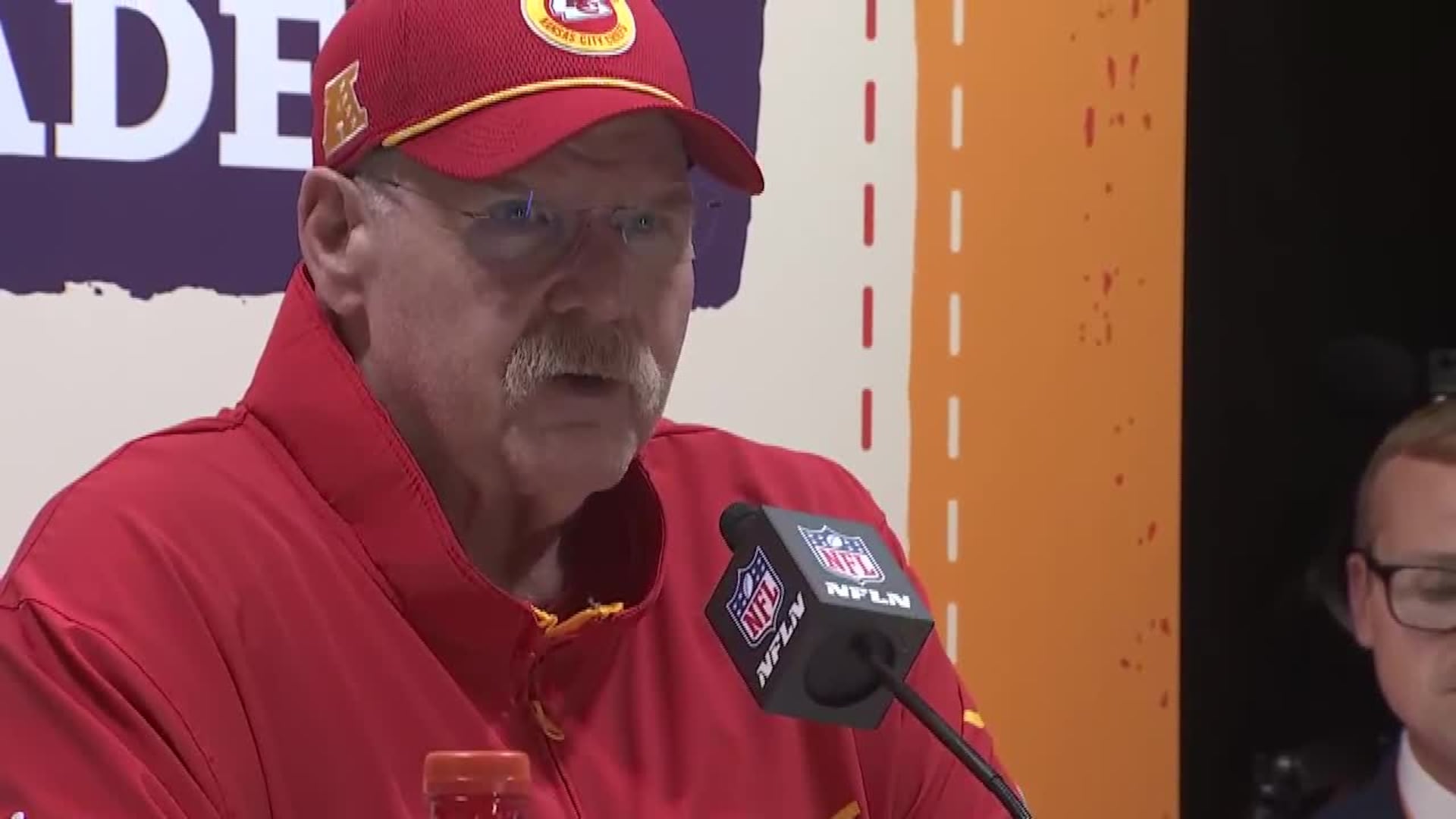
Reid’s defense of his team focused heavily on the internal, controllable variables, essentially drawing a clear line between the team’s immense potential and its self-inflicted wounds. When pressed about the recurring issues, Reid laid out the “killers” that are stifling the team’s offensive and defensive flow:
-
Crippling Penalties: At the top of Reid’s list were holding penalties on the offense. He emphasized that these flags are occurring at the most “crucial times,” often transforming manageable second downs into “first and 15, first and 20, second and 20” situations. These mistakes not only halt offensive momentum but effectively “use up plays,” forcing the team into desperate, predictable situations that are “not a healthy thing to do.” Reid sees these infractions as the single largest hindrance to the team’s success.
-
Defensive Failures on Third Down: Equally damaging is the defense’s inability to “get off the field” on third downs when the opportunity presents itself. Though the defense is ranked highly overall, these situational failures allow opponents to sustain drives, chew clock, and ultimately, score points that keep games frustratingly tight.
-
The Drop Discussion: While drops—like a late one from Rashee Rice or a pass that slipped through the hands leading to an interception—have been a visible flashpoint for media and fans, Reid was surprisingly defensive and dismissive of this being the core issue. He pointed out that Kelce’s much-discussed drop was nullified by a penalty. For Reid, the core focus remains on the penalty problems, not necessarily the hands of his receivers.
-
Positive Attitude in a Negative Environment: The coach stressed the mental game, urging his players to remain “mentally prepared to play four quarters” and maintain a “positive attitude” against the inevitable wave of negativity that pours in from the “outside.” This is the leadership role of a veteran coach: protecting his players’ confidence while relentlessly focusing on fundamental corrections.
The Kelce Paradox: A Veteran’s Burden Exposes a Crisis
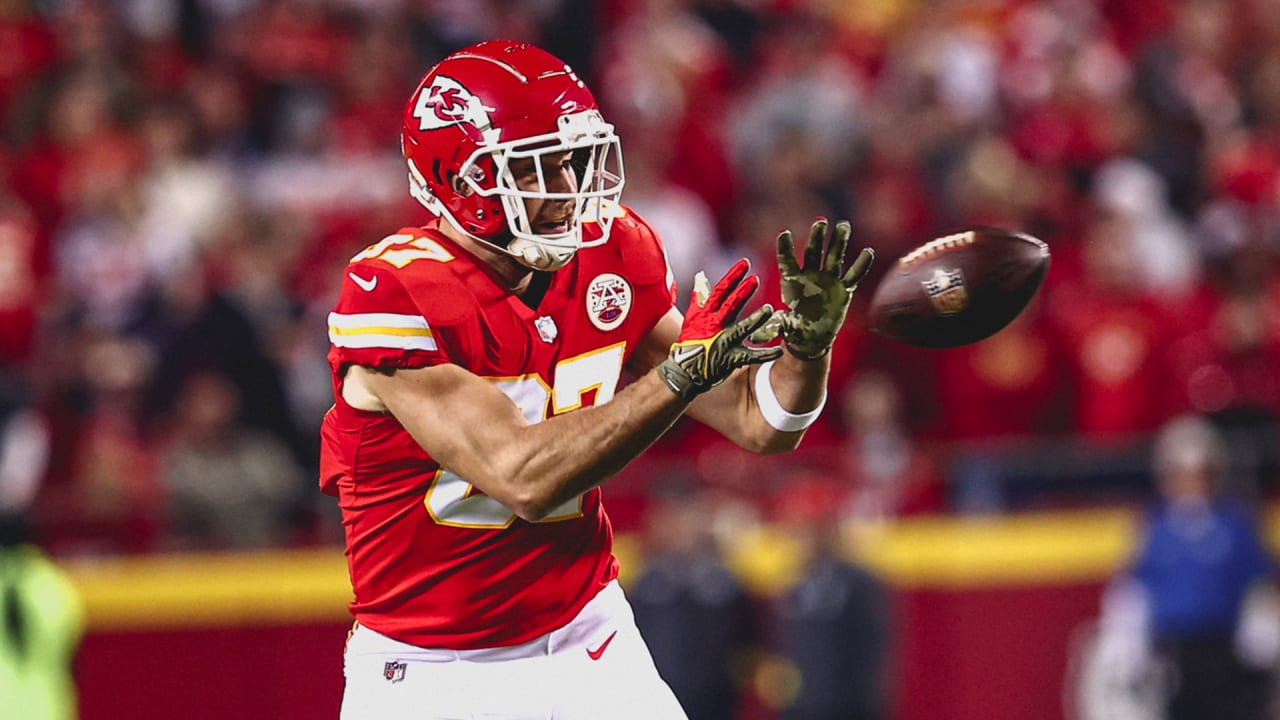
The analysis following Reid’s press conference shifted focus from the team’s general struggles to a deeper, more specific threat: the unsustainable reliance on Travis Kelce, a future Hall of Famer. Kelce, in what many observers see as his twilight years, is not just performing well; he is setting an unexpectedly high bar for one of the most vital metrics in the Chiefs’ offense: Yards After Catch (YAC).
League data places Kelce an extraordinary eighth overall in the NFL with 375 YAC yards. This statistic is the lifeblood of the Patrick Mahomes-led offense, which is designed to turn short, high-percentage throws into huge chunks of yardage through the skill, savviness, and physicality of the receiver after the catch. Kelce’s YAC production makes him the team’s ultimate “safety valve,” a reliable, tackle-shedding outlet that transforms potential three-and-outs into sustained scoring drives.
However, this sustained excellence from the veteran tight end is viewed not just as a blessing, but as a severe red flag for the franchise’s long-term health. YAC production is traditionally associated with younger, “shiftier skilled players” with fresh legs and dynamic speed. The fact that the oldest key pass-catcher is carrying this strategic burden is alarming.
The obvious question, now being asked by fans and analysts, is a harsh one: Where are the contributions from the younger generation? The Chiefs have invested heavily in youth at the receiver position, yet players like Rashee Rice, Skyy Moore, and others have not consistently demonstrated the ability to create after the catch. This dependency on Kelce suggests that either the team’s schematics are not maximizing the abilities of their young speedsters, or the players themselves are not developing quickly enough to fill the role of dynamic playmakers in space.

The Looming Cliff: From Bridge to Burden
The concern is acute: the Chiefs won’t just lose production when Kelce inevitably retires; they will lose an entire “playmaking identity” that the current crop of young players has failed to consistently replicate. Kelce’s continued presence has become a strategic burden—a shield that hides the franchise’s biggest developmental failure.
The analytical segment of the discussion concluded with a stark warning: The team’s current reliance on Kelce must be treated as a “smart bridge, not a looming cliff.” To manage the succession crisis and capitalize on the remaining years of Kelce’s career, the coaching staff, including Reid and his offensive coordinators, must immediately “adapt and accelerate” the development of the young receiving corps.
The prescription is surgical:
-
Scheme Tweaks: Implement quick screens, jet motion, and YAC-friendly route concepts designed specifically to get the ball into the hands of speedsters like Rice with room to run.
-
Developmental Focus: Prioritize specific drills in practice—tackle-shedding technique, vision drills for reading blocks, and high-repetition work in open space.
-
Personnel Decisions: The focus for future drafts and off-season acquisitions must favor players whose core strength is creating yardage after the catch, ensuring the next wave is inherently suited to the Mahomes offensive philosophy.
Reid’s Confidence vs. Reality
Despite the structural issues, Reid’s ultimate message was one of defiant confidence. When asked about the probability of winning the next five games to secure a comfortable playoff spot—a task he acknowledged was necessary—his answer was immediate and resolute: “I believe that,” he stated. He reiterated his motivational philosophy: the team will “go after you every game” and “tickle your tonsils on every every play.”
This high-octane attitude is a crucial element of the Chiefs’ culture, but even Reid admitted that the first step must be taking “care of the small things here that we’ve got rolling,” namely eliminating the penalty “mistakes.”
The challenge for Coach Reid and his staff is perhaps the most difficult they have faced during the dynasty years. They are no longer simply coaching a team that is winning all the close games; they are coaching a team that is losing them due to fundamental flaws. This season has become a “sport of challenges,” a “microcosm of life” where the margin for error has become razor-thin.
For Kansas City to turn their season around, the fix cannot merely be motivational or philosophical; it must be strategic and immediate. They need to find those two or three plays per game, eliminate the “killers” that are penalties and third-down failures, and, most crucially, accelerate the development of a YAC engine that does not rely solely on the magnificent, but aging, shoulders of Travis Kelce. The clock is ticking not just on the 2025 season, but on the future identity of the Chiefs’ offense.