The world of hip-hop has always been a theatre of high drama, but rarely does one artist manage to occupy so many contradictory, high-stakes roles at once. Enter NBA YoungBoy, the Louisiana phenom whose life and career have reached a dizzying altitude of controversy and commercial success. In a period marked by relentless chart domination, calculated diss tracks performed on rival territory, and an unprecedented level of law enforcement concern, YoungBoy has simultaneously been celebrated as the “King of Rap” and condemned by industry veterans and rivals alike with the damning accusation of being a federal informant.
This is the story of a rapper operating in a perilous gray zone, one where artistic triumph, familial loyalty, and life-or-death legal battles intersect, creating a narrative so explosive it threatens to rewrite the rules of the entire genre.
The Beef That Broke the Internet: YB vs. The ‘Woke’ Rapper
The newest wave of controversy began with a direct challenge from NLE Choppa, a young artist who, in recent years, has pivoted his persona toward conscious lyricism and social responsibility. Choppa dropped a diss track, “KO,” and used his platform to publicly scrutinize YoungBoy’s influence, accusing him of being a poor role model and a detrimental force on youth culture. Choppa’s argument was clear: “You’re bad for the youth, nothing positive you do… role model you will never fit the shoe.”
This highly public critique was particularly striking given the history between the two artists. Choppa was once a vocal supporter, even releasing a song titled “Free YoungBoy” in 2019. However, the allegiance fractured during the infamous beef following the death of King Von. When YoungBoy released a diss track seemingly mocking Von’s passing, NLE Choppa publicly stamped a comment from Lil Reese, siding with the Chicago faction and essentially declaring his position in the feud. YoungBoy addressed this betrayal directly in his own music, rapping that he would “send you to God for making statements choosing sides about my beef with them boys.”
YoungBoy’s response to the current diss was classic, high-octane dismissal. Instead of engaging in a lengthy back-and-forth, he weaponized Choppa’s past. He retweeted an old clip of Choppa calling him superior, then sent a blunt message that crystallized his view of the relationship: Choppa, and others like him, need YoungBoy for relevance. “You need a like me to keep you going, your views go up,” he stated, painting the rival as a desperate opportunist clinging to his coattails for a spike in viewership. This move demonstrated a calculated, almost indifferent power dynamic, suggesting that YB operates on a plane of success so high that diss tracks are merely fuel for his own machine, rather than actual threats.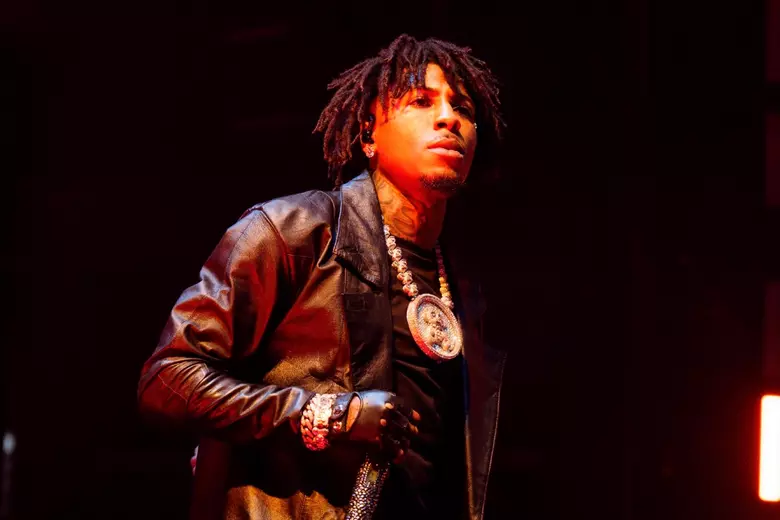
Mama’s Intervention: The Ferocious Defense of the Crown
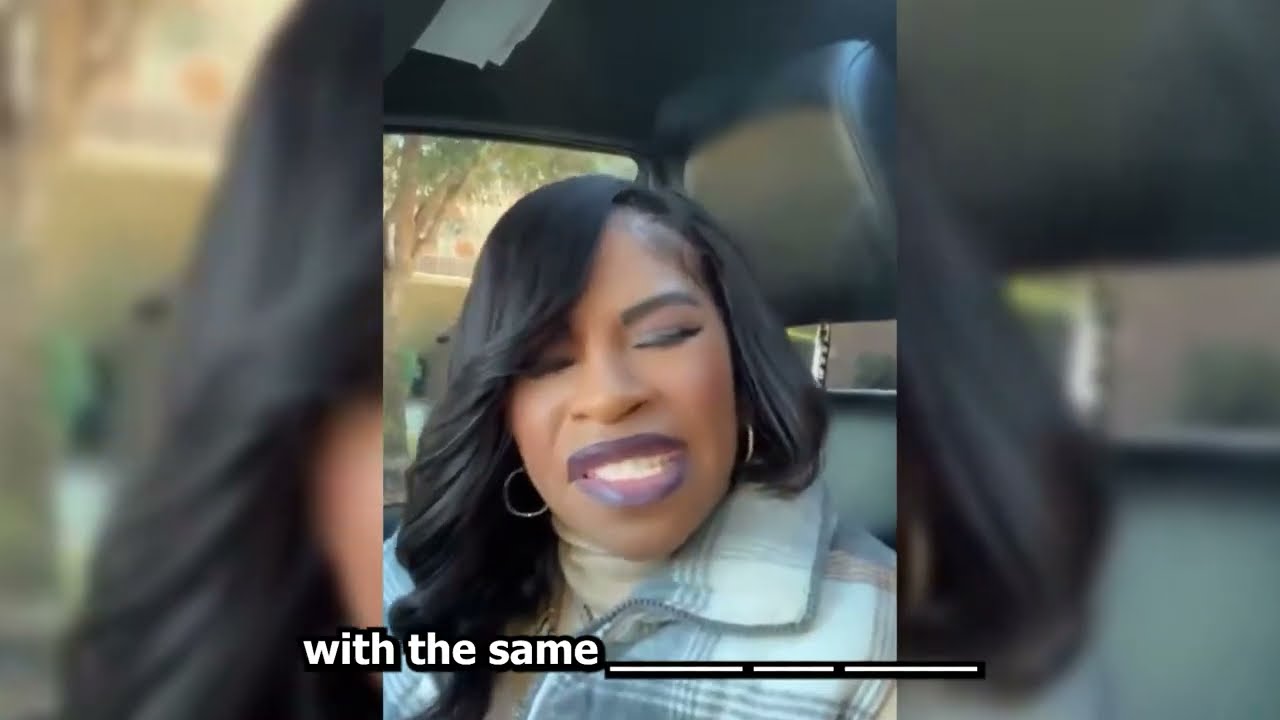
As the beef raged, the temperature was drastically elevated by an unexpected combatant: Sherhonda Gaulden, YoungBoy’s mother. Taking to social media, she launched a scathing counter-attack that was both fiercely protective and deeply personal, effectively turning the battle from a lyrical skirmish into a generational war over authenticity.
Gaulden did not mince words. She accused NLE Choppa of being consumed by jealousy over her son’s success and blasted his attempts at appearing conscious, labeling him as “fake woke.” Her most unforgettable blow came when she mocked Choppa’s music video, describing him as “dancing around like a ballerina” while claiming the high ground. This was a tactical strike against Choppa’s image, attempting to undermine his new, earnest persona by suggesting it was nothing more than an act—an elaborate performance of “genius” rooted in envy rather than genuine enlightenment.
The sheer ferocity of her defense underscored a crucial element of the YoungBoy narrative: an almost unshakable loyalty from his inner circle that views any attack as an existential threat to the family. Gaulden’s move was a powerful reminder that in the world of YoungBoy, the boundaries between business, family, and war are often nonexistent, reinforcing the idea that any opponent must be prepared to face not just the artist, but his entire kingdom.
A Dangerous Reign: 400 Officers and the Atlanta Statement
Amid the feuds, YoungBoy’s tour has proven to be an overwhelming cultural and commercial force, yet his success is now inextricably linked to a level of institutional fear rarely seen in the music world.
The tension peaked when law enforcement officials in Louisiana expressed grave concerns over YoungBoy’s concert in New Orleans. Internal communication from the New Orleans Police Department (NOPD) and the Louisiana Stadium Exposition District revealed a palpable sense of alarm. The propensity for violence surrounding his shows was deemed “not an if, but a when,” forcing authorities to prepare for a full-scale emergency activation. The city’s response was staggering: reports confirmed that over 400 officers would be deployed nightly, with heightened security measures that included drones and armored vehicles on standby. This level of police mobilization transforms a simple concert into a military-grade security event, a clear sign of the high-stakes cultural anxiety surrounding the star.
Further cementing his status as hip-hop’s most potent—and most dangerous—figure, YoungBoy delivered a calculated power move in Atlanta, the very city where King Von was killed. He chose his Atlanta performance to unleash his infamous King Von diss track for the first time on stage. The brazen act of performing the “greatest diss track of all time” on rival ground was immediately hailed by figures like Akademiks, who, in his reaction, declared YoungBoy the “King of Rap,” a title he argued placed YB above every rapper short of Kendrick and Drake. It was a moment of unmatched defiance, a symbolic conquest of the city that confirmed his status as an unparalleled menace in the industry.
The Stunner: Key to the City and the Snitch Allegations
However, the most bewildering chapter of YoungBoy’s current run is the intersection of his outlaw persona with shocking suggestions of institutional collusion.
In Atlanta, reports emerged that YoungBoy was not only performing his controversial music but was also receiving high-profile accolades, including a “Key to the City,” from local county commissioners and judges. This image—an out-of-town rapper, known for his violent lyrical content, being honored by the very officials who are simultaneously prosecuting and jailing local Atlanta artists—sent the local rap community into a state of disbelief and outrage. It seemed to confirm a growing, unsettling pattern: while local talent faces aggressive prosecution, YoungBoy appears to operate with a layer of institutional protection.
This leads directly to the most toxic accusation in hip-hop: that NBA YoungBoy is “working with the feds.” Rumors, amplified by figures like Famous Richard, suggest that YoungBoy is “telling” or cooperating with law enforcement. The evidence cited by skeptics is circumstantial but compelling: his history of remarkably short sentences for serious federal charges (such as serving only 10 months of a 23-month sentence) and his ability to be released multiple times in four years on new charges.
The timing and energy of his legal battles are described as “too convenient.” Fans point to bizarre, public moments, such as the surreal incident where an unmuted fan hacked into his court Zoom call to shout “free YoungBoy,” and his own notably relaxed, even smiling demeanor upon entering the courtroom shortly after. For many, these episodes suggest a rapper who knows he has nothing to worry about because an arrangement has been made—a secret pact that grants him a level of immunity unthinkable for his peers.
The Paradoxical Throne
The story of NBA YoungBoy is a paradox wrapped in an emotional whirlwind. On one hand, he is the undisputed King of Rap, commanding sold-out arenas and having industry titans bow to his undeniable commercial and cultural power. He is the defiant outlaw who performs the ultimate diss track in the heart of his enemy’s territory. On the other hand, he is the subject of whispers and speculation, accused of violating the street code, maintaining his freedom through cooperation, and benefiting from institutional favor that has simultaneously crushed local rivals.
This conflict defines his legacy. YoungBoy’s reign is not just about music; it is a profound cultural statement about the state of fame, power, and the justice system in the 21st century. He is a man caught between two worlds—the streets, where loyalty is sacred, and the machine, where deals are inevitable. As the beefs continue to rage and the federal questions remain unanswered, the public is left to grapple with the same essential question: Does his unprecedented success stem from his genius, or from a contract signed in the shadows? The terrifying reality for the hip-hop world is that, perhaps, it is both.